New Adventure Games - Page 518

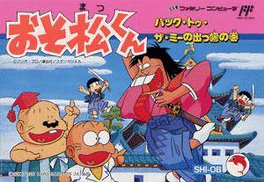
Osomatsu-kun: Back to the Me no Deppa no Maki
1989
The second game based on the Osomatsu-kun anime and manga, released in 1989 for Famicom. Osomatsu-kun: Back to the Me no Deppa no Maki is an Adventure game, developed by TOSE and published by Bandai Shinsei, which was released in Japan in 1989.Seirei Gari
1989
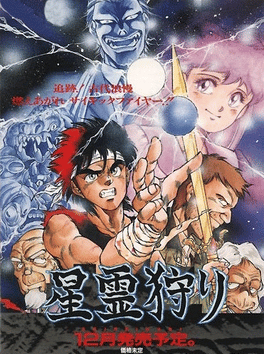
Seirei Gari
1989
Seirei Gari is an Adventure game, developed by Advance Communication Company and published by Hudson, which was released in Japan in 1989.Paragon Sex A Doll
1989
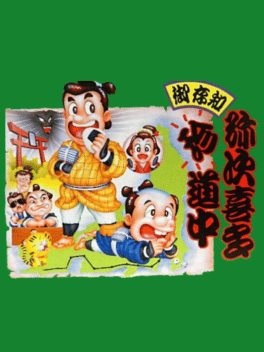
Gozonji: Yaji Kita Chin Douchuu
1989
Gozonji: Yaji Kita Chin Douchuu is an Adventure game, developed by Hyperware and published by HAL Labs, which was released in Japan in 1989.Arcus II: Silent Symphony
1989
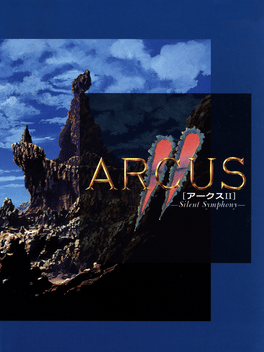
Arcus II: Silent Symphony is a computer game developed and released in Japan by Wolf Team. Narumi Kakinouchi, co-creator of Vampire Princess Miyu, was the art director for this game. The music for the game was composed by Masaaki Uno, Motoi Sakuraba, and Yasunori Shiono.Kagami no Kuni no Legend
1989
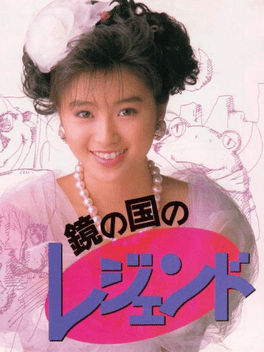
Kagami no Kuni no Legend is a Japanese-style first-person adventure game. The player interacts with the game world by selecting verb commands from a menu and combining them with objects or characters. Commands such as "Examine" or "Talk" appear at most screens; if an object can be taken, an appropriate command is displayed after the player has thoroughly examined a location. There is also an inventory with items that must be used at specific moments; however, there are no real puzzles in the game. Navigation is done by selecting the "Move" command; in a few locations the player navigates the hero with directional buttons in a pseudo-3D environment. Wrong choices may sometimes lead to a Game Over. Most of the background and character graphics is done in anime style, with the exception of Noriko herself, who appears in digital photos, sometimes accompanied by song performances.38 Man Kilo no Kokuu File 1: A Day in the Life of 2049
1989
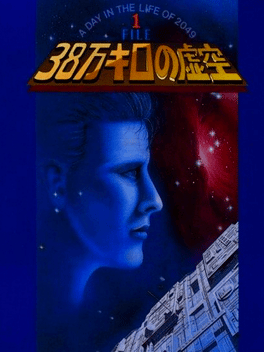
A sci-fi adventure game that is the fifth installment in System Sacom's Novel Ware franchise.Famicom Mukashibanashi: Yuuyuuki - Zenpen
1989
Yuuyuki is an adventure game played by choosing from several text commands shown on screen. It resembles its predecessor, Shin Onigashima, in its implementation of the "Change Character" command, usage of traditional Japanese fairytales, and general screen layout and appearance. The story-line is a parody of the Chinese novel Journey to the West, where two main characters, Goku and Chao, embark upon separate journeys to find one another. In Yuuyuki, the "Change Character" command can switch between a maximum of five different characters. However, there are very few points in the game where it can actually be used to such extent. Its main use is to switch between Goku and the others accompanying him. Like Shin Onigashima, the character in use can greatly affect the descriptive text shown on screen, and the significant increase in number of characters allowed for more variety in each scene. It is possible to enjoy the game by viewing the reactions towards choosing completely unrelated characters or commands in certaMaharaja
1989
Maharaja
1989
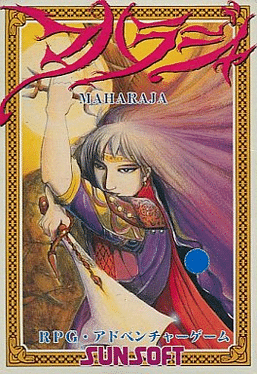
Famicom RPG released by Sunsoft in 1989. Set in ancient India, characters and events from Hindu mythology provide most of the game's backdrop.Marusa no Onna
1989
Marusa no Onna
1989
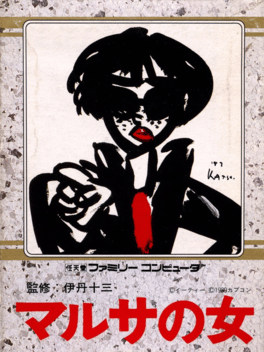
Marusa no Onna is an adventure game developed by Capcom based on the movie of the same name where you investigate businesses to catch tax evaders.Idol Hakken-den
1989
Idol Hakken-den
1989
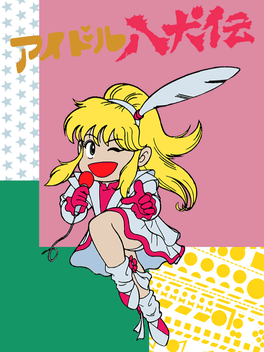
Idol Hakken-den is a Japan-exclusive text adventure video game developed by Natsume and published by Towa Chiki in 1989 for the Family Computer. Erika, an aspiring musician and pop idol, must foil a plot that could ruin her music career. As a Japanese adventure game, players must select through menus of dialogue in order to determine her future. Friends (and sometimes rivals) of Erika give her advice on what to do next. There are six songs in the game; all of them belonging to the J-pop genre. Erika must master them all in order to become the greatest idol in all of Japan. Lyrics are not sung by a voice actor; they are shown on the bottom of the screen instead.Zelda
1989
Zelda
1989
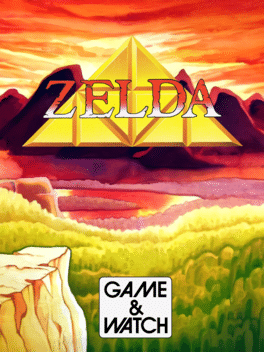
Zelda is a multiscreen Game & Watch game that was only released in English as a stand-alone system pre-loaded with the single game. It has dual screens which fold in a clamshell design, similar to the Nintendo DS. It was re-released as part of the Nintendo Mini Classics line in 1998 and 2007. The complete game can also be unlocked in Game & Watch Gallery 4 for the Game Boy Advance and Wii U Virtual Console. Its core formula is based on that of the original The Legend of Zelda, where Link must fight through eight dungeons and obtain the eight shards of the Triforce of Wisdom. However, it bears more gameplay similarities to The Adventure of Link, since it is 2D and from a side-on perspective. The game features an original, though minimal storyline.Moeru! Onii-san
1989
Moeru! Onii-san
1989
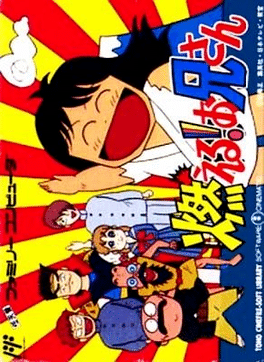
A Famicom game based on a manga of the same name. The game stars Kenichi as the main character, while featuring Hidou, Rocky, and Shiranui as playable characters in some levels. The goal of the game is to rescue Yukie from a dragon simply named Dra Gon. The game was re-branded with a circus theme and released in North America under the name Circus Caper, also published by Toho. The RPG element with the final boss was removed, the stages and bosses are in different order, and many graphical and musical changes were made to better resemble a circus theme.Oishinbo: Kyuukyoku no Menu 3-bon Shoubu
1989
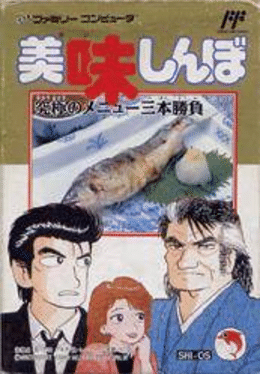
Oishinbo: Kyuukyoku no Menu 3-bon Shoubu is an Adventure game, developed by TOSE and published by Bandai Shinsei, which was released in Japan in 1989.Montezuma's Revenge Featuring Panama Joe
1989
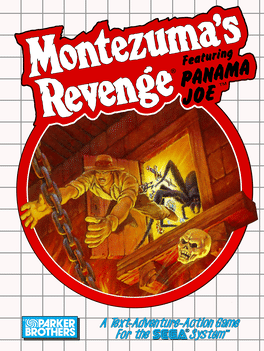
The player controls a on-screen character called Panama Joe, moving him from room to room in the labyrinthine underground of the 16th century Aztec temple of emperor Montezuma II, filled with enemies, obstacles, traps and dangers. The objective is to score points by gathering jewels along the way. Panama Joe must find keys to open doors, collect and use equipment such as torches, swords, amulets, etc. without losing his life. Obstacles are laser gates, conveyor belts, disappearing floors and fire pits.Can Can Bunny
1989
Omnicron Conspiracy
1989
Omnicron Conspiracy
1989
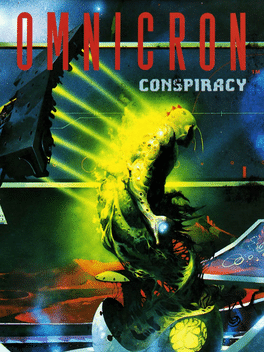
As a Star Police Captain, your job is to maintain peace in the Universe. Bust up an intergalactic drug ring in an odyssey involving pyramids, giant artichokes, a big conspiracy, and the Universe.Bushido: The Way of the Warrior
1989
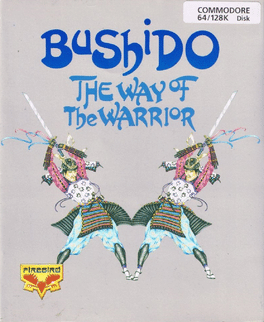
At your disposal are several characters. ranging from a monk to a Samurai warrior. Each has his own special qualities, from sheer strength in hand-to-hand combat. to guile and cunning. Your warrior does. however. have a magical belt which can transport him back to base and safety if his life is severely endangered. Once there he can re-train the extra skills needed and attempt another assault on the fortress. -Excellent interactive 3D graphics -Choose between several characters to carry out your task -Varied choice of weaponry -Stealth will often bring greater rewards than combat -Enthralling gameplay -Atmospheric musicMeitantei Holmes: M kara no Chousenjou
1989
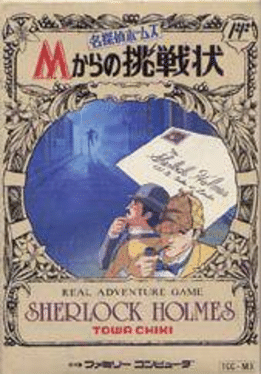
The third of three NES Sherlock Holmes adventure games from Towa Chiki and Another. M-Kara no Chousenjou is the third in Another/Towa Chiki's series of adventure games for the Famicom that star Sir Arthur Conan Doyle's famous sleuth, Sherlock Holmes. It follows Sherlock Holmes: Hakushaku Reijou Yuukai Jiken and Meitantei Holmes: Kiri no London Satsujin Jiken. As with the second of those games, M-Kara no Chousenjou has the player navigate a menu to talk to NPCs and witnesses, investigate areas of interest, find and pick up evidence and walk to various locations across Victorian-era London and other cities.Mindseeker
1989
Mindseeker
1989
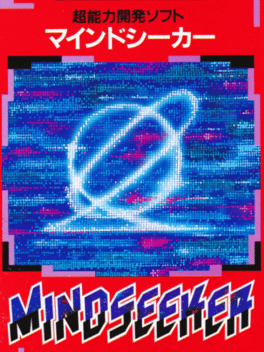
Mindseeker is an Adventure game, developed and published by Namco, which was released in Japan in 1989.