New Playstation 3 Games - Page 313

15 Move Hole Puzzle
1994
15 Move Hole Puzzle
1994
The game simulates the 15 Puzzle, a sliding puzzle that consists of numbered square tiles located on 4x4 board in random order with one tile missing. The object of the puzzle is to place the tiles in order by making sliding moves that use the empty space. This game includes the pictures of naked women (originally found in Playboy magazine) in background of the board. When tile is placed in order, it is converted in part of picture, but it still can be moved. There are 8 levels in the game, and certain tiles can't be moved on the board with level increase. The number of moves in counted, and the best scores are stored in hi-score table.Brisk
1993
Balance
1993
Wall Pipe
1993
Wall Pipe
1993
Wall Pipe is one of many Pipedream / Pipemania / Oilswell type games released by Soleau Software. This game plays pretty much the same as the games previously mentioned: Lay out pieces of pipe so that the oil continues to flow. You're given 30 seconds before the oil starts moving. The interface is a bit confusing to me: You need to click the mouse to select the next piece, which then disappears, so you'd better remember what type of piece you're placing. I also encountered a weird bug: The clock continues to tick down while you're in the options menu, but the game apparently only checks when the clock hits 0 while you're in the actual game. So the clock ticked below 0 while I was in the options, and was at -5 when I returned to the game. The oil never flowed and I had to quit the game! Other than the weird bug and the confusing interface design choice, it does work, but there are better Pipedream clones out there, several from Soleau itself.Hong Kong Mahjong
1993
Japan Mahjong
1993
Taiwan Mahjong
1993
Oishii Puzzle ha Irimasen ka
1993
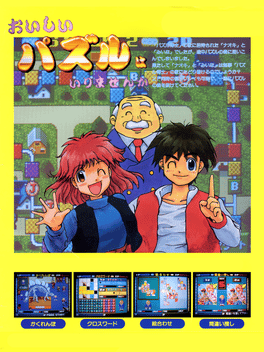
Oishii Puzzle Wa Irimasen Ka is a puzzle video game, developed by Kuusoukagaku Corp. and published by Sunsoft on September 1993 in Japan only for arcades. There are four mini-games to choose from: crossword puzzles, picture matching (jigsaw puzzles), spot the differences, and hide and seek. The game progresses in a sugoroku format, where you spin the roulette wheel, move forward by the number of squares that come up, and play the mini-games instructed on the squares that stop. It is developed by the Science Fiction Research Institute. In 1994, it was ported to the Super Famicom as Hebereke No Oishii Puzzle Ha Irimasen Ka which featured the company's mascot character, Hebereke.Bolix
1993
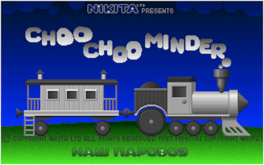
Choo Choo Minder
1993
Postcard Puzzle
1993
Postcard Puzzle
1993
Postcard Puzzle is a game released exclusively in the Nintendo Gateway System for use in airlines and hotels.Morphman
1993
Morphman
1993
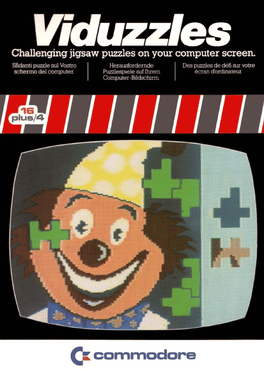
Morphman is an interactive video game, running via Microsoft Video, where the player plays as Morphman who has the power to change into different creatures. He is on a mission to rescue Professor Roberts, a physicist from performing military experiments. Morphman must take his jet to a mysterious castle on a mysterious island to rescue the Professor. Morphman plays on a single screen where a video file plays in the top-left corner. He reacts to different circumstances by picking the correct ability when a challenge appears on the screen. The player has a short time to select the correct button press at pre-determined points in the video adventure. During the adventure Morphman is able to absorb the forms of various creatures to help him which are then shown on the interface.Viduzzles
1993
Arctic Zone
1993
Math Circus: Act 1
1993
Math Circus: Act 1
1993
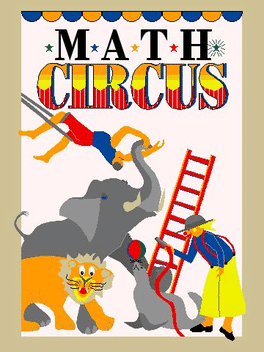
Math Circus: Act 1 is an educational game for children that teaches maths. All of the game's activities are based around setting up and managing a circus with twelve puzzles and activities in total. Each one introduces a new concept based around logic or maths with an adjustable difficulty level. Skills include spatial reasoning, perceiving patterns in size, order or time, or manipulating variables to influence the tricks of the circus acts. The game saves progress for the solved puzzles automatically. Up to 200 circuses can be started as new profiles.Dino Hunt
1993
The Field of Miracles
1993
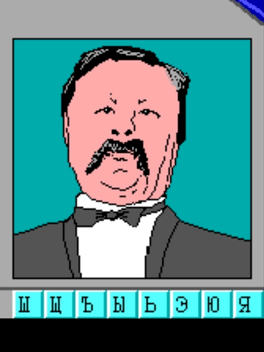
Computer game for IBM-compatible personal computers running DOS, created by Russian programmer Vadim Bashurov in 1993. It was an unofficial computer adaptation of the famous TV show "Field of Miracles".