New Gamegear Games - Page 72

Igo-Shinan '91
1991
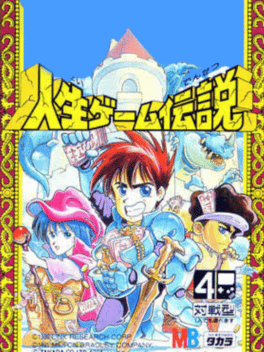
Jinsei Game Densetsu
1991
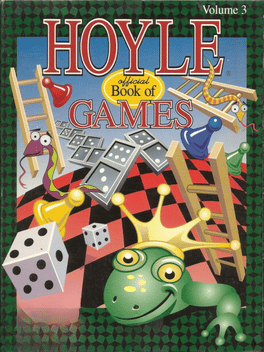
Hoyle Official Book of Games: Volume 3
1991
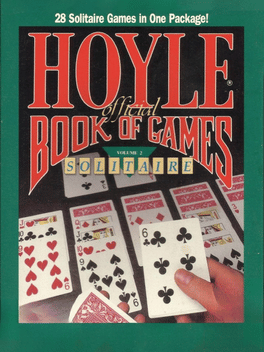
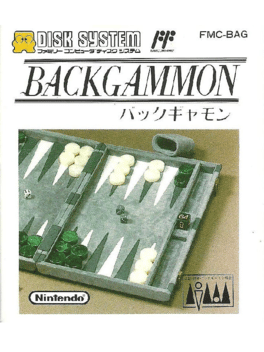
Six board games are transformed to the computer screen in the third Hoyle's release. Snakes & Ladders, Backgammon, Yacht / Yahtzee, Checkers, Dominoes and Pachisi / Parcheesi all feature, with animated graphics and sound effects. As there is no time-sensitive action, and the game rules are familiar, these packs were designed to appeal to a wider range of people than most computer games. At least one human player is required - other players can be human or computer. The 18 computer opponents from the first Hoyle's game return, many of them modeled on other Sierra characters such as Larry Laffer, and again some play 'good' and some play 'evil'.The Chessmaster
1991
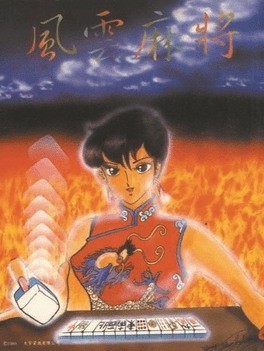
Fengyun Majiang
1990
Golf
1990
Golf
1990
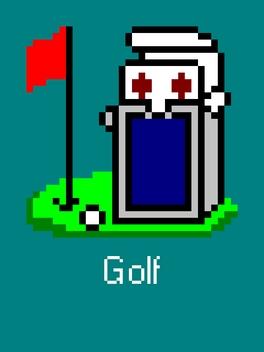
Golf, also known as One Foundation, is a patience or solitaire card game where players try to earn the lowest number of points (as in golf, the sport) over the course of nine deals (or "holes", also borrowing from golf terminology). It has a tableau of 35 face-up cards and a higher ratio of skill to luck than most other solitaire card games. It was included as part of Microsoft Entertainment Pack in 1990 for Windows PCs.Aggression
1990
Aggression
1990
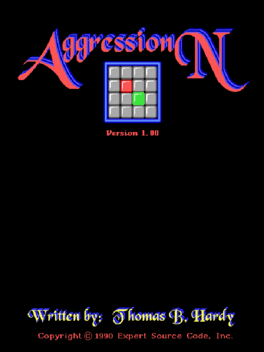
Aggression is a board game that combines elements of checkers and chess. The goal of the game is to move all your tiles to the opposite side of the game board while your computer opponent or your friend awaiting his/her turn does the same with their tiles. You can use your tiles to surround and entrap the opponents tiles forcing them to restart at the beginning with that tile and naturally they can do the same to you.Mahjong Daiyogen
1990
Trump Boy II
1990
Trump Boy II
1990
Trump Boy II is a Miscellaneous game, published by Pack-In-Video, which was released in Japan in 1990.Backgammon
1990
Minasan no Okage-sama Desu!
1990
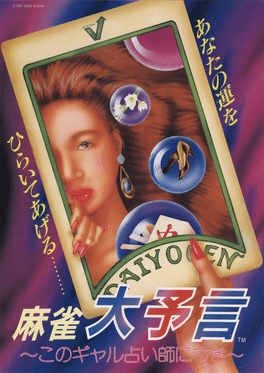
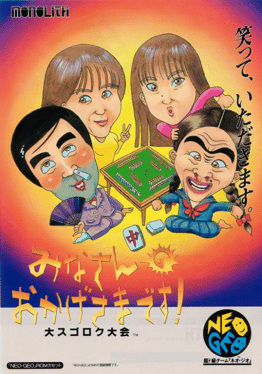
The second Japanese mahjong game to run on Neo Geo hardware is based on a bizarre and comedic Japanese variety show. In between mahjong matches, the player rolls dice and moves along a board game track; landing on different squares provides special effects, and decides which opponents the player will face.Shanghai II
1990
Shanghai II
1990
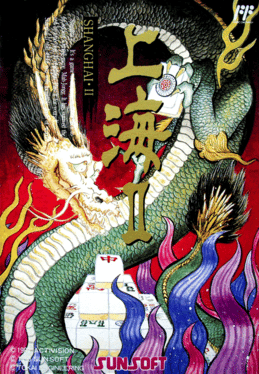
Shanghai II is a variant of the puzzle game also known as solitaire mahjong. 144 mahjong tiles are arranged in rows and stacked upon each other in various patterns; the player's goal is to remove pairs of matching tiles that do not have adjacent tiles from both sides until the whole board is clear. This variant features six patterns named after animals: tiger, scorpion, monkey, snake, panther, and dragon. The player can choose to display hints or reverse any amount of moves. A mode with a time limit is available as well.Card Game
1990
Microsoft Solitaire
1990
Microsoft Solitaire
1990
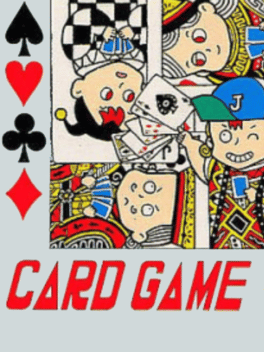
star 7.5Solitaire, also known as Microsoft Solitaire is a computer game included with Microsoft Windows, based on a card game of the same name.Taikyoku Renju
1990
Taikyoku Renju
1990
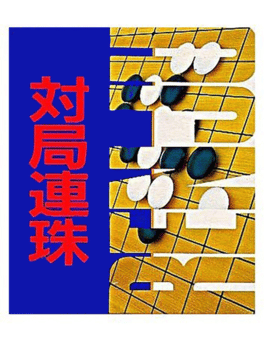
Taikyoku Renju is a Game Boy port of Renju. Despite not being released outside Japan, the game has an option to play completely in English.Poker Relay
1989
Mah Jongg: V-G-A
1989
Mah Jongg: V-G-A
1989
"Mah Jongg -V-G-A- is a high-tech simulation of the ancient Chinese game of Mah Jongg. Some historians date Mah Jongg back to the time of Confucius -- over 25 centuries ago! It's believed that sailors and fishermen played Mah Jongg as a diversion from the monotony of their long voyages. The game was originally played with cards, but eventually bone and bamboo tiles were substituted since these were less likely to be blown off the deck. Mah Jongg -V-G-A- recreates the beauty and addictive pleasure of Mah Jongg, but uses modern data processing techniques and high-resolution graphics instead of bamboo tiles. In an attempt to make this game as elegant and as enjoyable as possible, the author has used some of the most advanced features of today's state-of-the-art MS-DOS computers. Not all PC computers are able to run Mah Jongg -V-G-A-. But if yours can, prepare yourself for the meeting of the past and future!!!"Carte Primus
1989
Carte Primus
1989
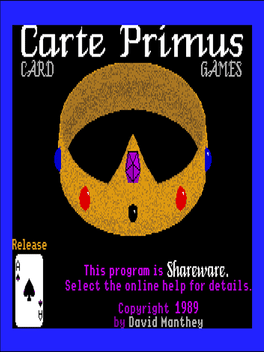
A collection of five card games: - Cribbage - Gin Rummy - Hearts - Pinochle - PitchHai no Majutsushi
1989
Hai no Majutsushi
1989
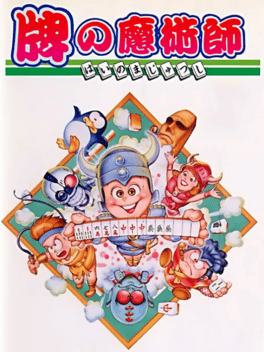
Hai no Majutsushi is an implementation of Mahjong tile game. The opponents in the game are characters from Konami's popular franchises: Simon Belmont from Castlevania series, Aphrodite and Poporon (Popolon) from Knightmare series, a snatcher from Snatcher, Dr. Venom from Gradius series, Goemon from Ganbare Goemon series, Penta the penguin from Antarctic Adventure series, and Moai from Gradius / Parodius series.