New Adventure Games - Page 507

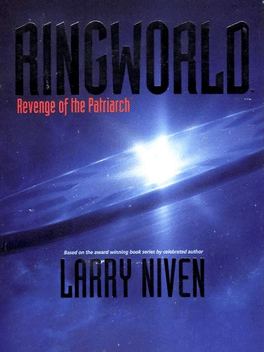
Ringworld: Revenge of the Patriarch
1992
A graphical adventure set in Larry Niven's "Known Space" universe. The centerpiece of the Known Space universe is the Ringworld, an artificially created planet that is actually an immense band orbiting a distant star (Halo borrows this idea for its setting). If you aren't familiar with Niven's series, go out and pick up any one of the dozens of Known Space books and you won't be far from having to track down all of them. In Revenge of the Patriarch, the player must travel to the Ringworld to uncover information which could prevent the alien Kzinti from starting another war with humanity. It follows the standard point and click formula for adventure games.Detonator Orgun
1992
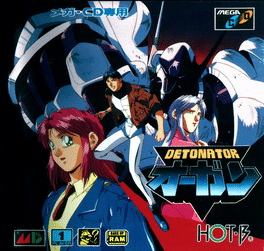
Detonator Orgun
1992
Fleeing from his own race, Orgun—an alien being with superhuman abilities and unearthly weapons—travels to Earth to find an answer to his origin. There, he bonds with a young man named Tomoru to defend Earth against the Evoluders, who seek nothing but destruction of other civilizations.Day Dreamin' Davey
1992
Day Dreamin' Davey
1992
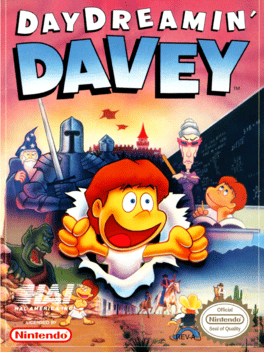
The game starts out with the main protagonist, Davey, arriving at school. Then a bully (Lumpy) takes his pencil. Now all throughout class Davey is daydreaming of being in several different locations revolving around Medieval Times, the Wild West and Ancient Greece and each level contains at the end something Davey must collect that will always resemble the shapes of school items (e.g., a pencil, a ruler or a trophy).Wind in the Willows
1992
Wind in the Willows
1992
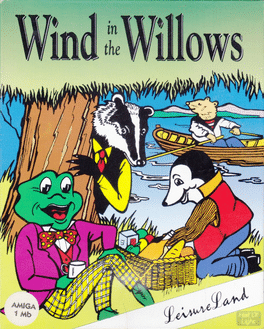
A text adventure game with static images, based on the children's story of Wind in the WillowsAim for the Top! Gunbuster Vol. 1
1992
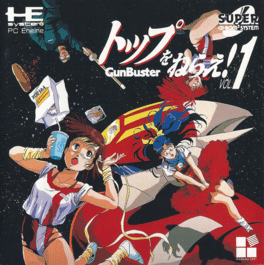
An interactive "digital comic" for the PC-Engine, following the first half of the anime of the same name. Top o Nerae! GunBuster Vol.1 is based on the anime OVA series Gunbuster by Gainax. In the early 21th century humanity discovered a race of bug-like aliens while colonizing known space. The aliens steadily advance towards the Earth with the goal of eradicating it. To counter that, humans have developed giant mechas that ca be navigated by trained pilots. The story of the game follows closely the first chapter of the anime, focusing on the young pilot Noriko Takaya and her first steps towards the mastery of her dangerous profession. The game has a Japanese-style adventure-like interface (with Look, Talk, and other verb commands leading to sub-menus), but plays more like a cross between an interactive movie (with animated scenes and voice-overs) and a visual novel, where choices of actions and responses play a dominant role. Every wrong action raises the heroine's "stress meter"; once it is full, the game is oveUchuu Bouken Shoujo Nami: Davie Jones - Umi no Akuma
1992
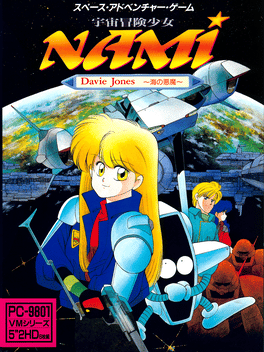
In 2991 in addition to speed of light space navigation humankind acquired the technology of hyper jump system (HJS) from ruins of ancient alien civilization. The government now succeeded in production of minimized versions of such hyper portals and one such device was planted in the suitcase of space delivery company pilot Nami.Magical Taluluto-kun 2: Magical Adventure
1992
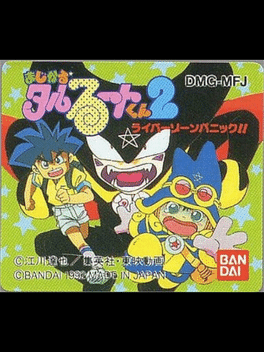
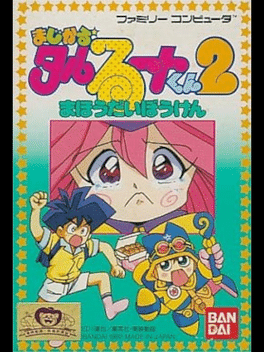
To save the kidnapped Iyona-chan, Talututo-kun teams up with Mimora and Honmaru and go on a magical adventure. Each character has their own special abilities, so they must work together to overcome the challenges they face.Mahou no Shoujo: Silky Lip
1992
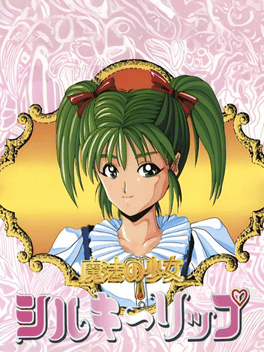
Mahou no Shoujo: Silky Lip (魔法の少女シルキーリップ) is an adventure game for the Sega Mega-CD. It was only released in Japan.Gateway
1992
Masuzoe Youichi: Asa made Famicom
1992
Masuzoe Youichi: Asa made Famicom is an Adventure game, published by Coconuts Japan, which was released in Japan in 1992.Laser Lords
1992
Laser Lords
1992
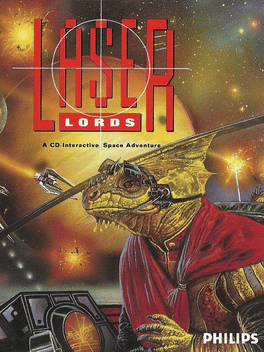
Fasten your star-belts, you're in for a bumpy ride! Aboard the Laser Lords star cruiser, you will explore Argos, a vast military/industrial complex, Woo, the idyllic Taoist garden planet, and Hive, with its famous anti-gravity chambers. Zendo is your mentor. He will guide you to build strength and skills and amass weapons, documents and information. There are seven alien worlds in all - a mind-boggling galaxy of computer graphics, computer and clay animation, and digital sound. You'll need everything you can muster to vanquish the Star Lord Sarpendon and destroy the Voidal Implosion Engine!Word Rescue
1992
Word Rescue
1992
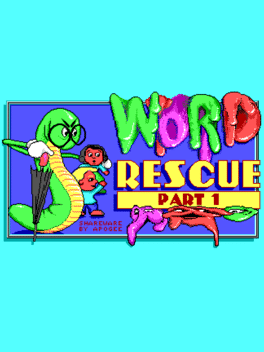
star 7Word Rescue is an incredible adventure for kids who want to rescue all the stolen words from the mean ol' Gruzzles. The Gruzzles can't read, and they don't want anyone else to read. So, they've stolen the words out of all of our books! Benny Bookworm needs your help to stop the Gruzzles. He needs you to reunite the stolen words with their meanings. Once you join all the words with their pictures, Benny will put them back into the books.Nishimura Kyoutarou Mystery: Super Express Satsujin Jiken
1992
Nishimura Kyoutarou Mystery: Super Express Satsujin Jiken is an Adventure game, developed by TOSE and published by Irem, which was released in Japan in 1990. Sequel to the previous Nishimura Kyoutarou Mystery game, Blue Train Satsujin Jiken.The Secret of the Blue Water
1992
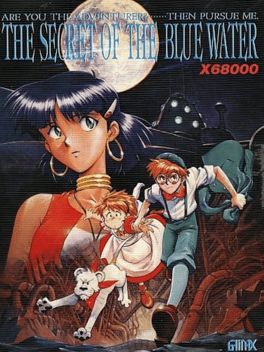
One of the games based on the Nadia: The Secret of Blue Water series.Mamono Hunter Youko: Makai Kara no Tenkousei
1992
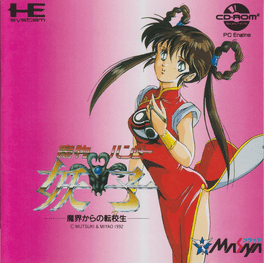
Makai kara no Tenkōsei is based on the anime series Devil Hunter Yohko. The anime focuses on Yohko Mano, a Japanese high school student who discovers that she is the 108th Devil Hunter, destined to fight supernatural evil beings in accordance with her legacy. The game puts the player in the role of Shoma, a new exchange student who meets Yohko and her best friend Chikako at his new school. Miraculously, the three are teleported into a parallel dimension, and the reluctant hero discovers, to his amazement, that its inhabitants seem to be familiar with him. The game plays like a typical Japanese-style adventure, with a menu of verb commands (Look, Talk, Think, and Move) at nearly every screen, some leading to object lists. It is often necessary to go through the commands several times to unlock a new one or trigger events. Limited menu-based navigation is also present.Rolan's Curse 2
1992
Rolan's Curse 2
1992
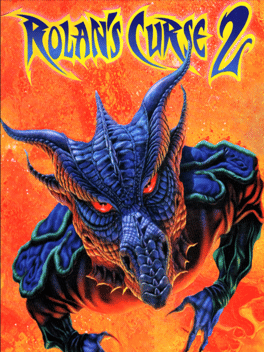
star 7.3King Barius is back for revenge! From the flaming depths of evil, he returns, bringing forth legions of monsters more vicious than anything the world has ever known! Gather your wits and grab your sword! Team up with a band of worthy companions to search for treasure and magic. Then prepare yourself for a savage battle against the dreaded monarch of evil!Hugo III, Jungle of Doom!
1992
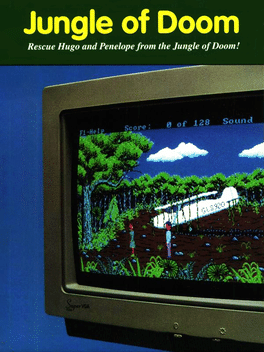
star 6.9In the game, the player controls the protagonist, Hugo, who must find spider venom antidote to save the life of his girlfriend, Penelope, who is bitten after their plane crashes in the South American wilderness.Home Alone
1992