New Sport Games - Page 231

Australian Games
1989
Adidas Championship Tie Break
1989
This tennis simulation uses a top-down scrolling perspective. You are not in control of the player's motion, but once he gets close to the ball, shot selection is down to you. Standard shots plus topspin, lobs and stop volleys are available, by pushing the joystick in the right direction as you aim the shot. The game supports up to 16 players in singles matches on a variety of court surfaces. It includes all of the major world tournaments - the four Grand Slam events at Melbourne, Roland Garros, Wimbledon and New York, plus the Davis Cup and Masters events. An early attempt at TV-style coverage is offered.Superleague Soccer
1989
Steve Davis World Snooker
1989
A 16-bit snooker, pool, and billiards simulator featuring the branding of snooker champion Steve Davis.HardBall II
1989
Beach Volley
1989
Beach Volley
1989
Beach Volley is a simplified computer game version of volleyball from the French developer team Ocean France for various 16-Bit and 8-Bit personal computers, released by Ocean Software Ltd in 1989.ABC Monday Night Football
1989
star 5ABC Sports and Data East team up to take you to the gridiron! Strap on your helmet, put that black stuff under your eyes and prepare yourself for football, Frank Gifford style! Features AFB voice synthesis technology.TV Sports Basketball
1989
TV Sports Basketball
1989
star 7.5TV Sports: Basketball gives you total control over an entire squad, including player substitutions and strategic double teaming. Your skills as player and coach will receive their ultimate test as sudden shifts in momentum and fatigue take their toll. Go head-to-head against another human or face an awesome computer opponent.Super Volley Ball
1989
Super Volley Ball
1989
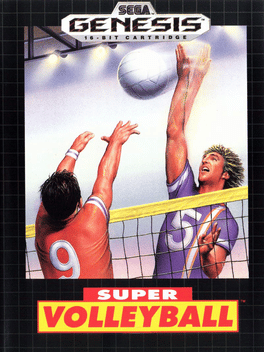
Super Volley Ball is an indoor volleyball game for one or two players. The single player mode offers two game options: normal game and World League. Choosing normal game pits the player against the computer in a single game. Choosing World League pits the player against all other teams available. A password save is available in this mode.Vegas Connection: Casino Kara Ai wo Komete
1989
Vegas Connection: Casino Kara Ai o Komete is a Miscellaneous game, developed by Graphic Research and published by Sigma Ent. Inc., which was released in Japan in 1989.Kore ga Pro Yakyuu '89
1989
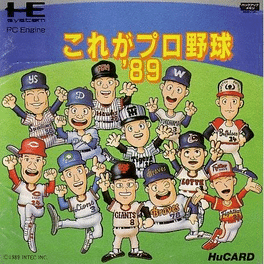
A baseball game for the PC Engine. Features twelve actual Japanese baseball teams. Kore ga Pro Yakyuu '89 ("This is Professional Baseball '89") is a baseball game for the PC Engine and the first of two games with the Kore ga Pro Yakyuu brand, followed by Kore ga Pro Yakyuu '90. It features twelve teams from the Nippon Professional Baseball organization as it was in 1989. The game resembles most baseball games of the era, with a behind-the-batter perspective when pitching and batting and a top-down view when fielding.Famista '90
1989
I Love Softball
1989
I Love Softball
1989
The object is to win the championship using female softball players. Players must choose between the six major high schools from all of the regions of Japan. After winning the Japanese high school championship, the player must take on the American women's softball team before becoming a professional softball player. If the player loses one game, play starts over unless the player uses a password to return to the previous round. The game's password feature allows games to be replayed and maintains total memory of which teams have already been defeated. However, the passwords and long and very difficult to remember.Jack Nicklaus presents The Major Championship Courses of 1989
1989
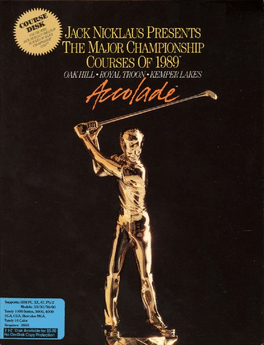
Between 1989 and 1991, several add-on computer disks were released for Jack Nicklaus' Greatest 18 Holes of Major Championship Golf and Jack Nicklaus' Unlimited Golf & Course Design, adding additional golf courses and features. The disks are compatible with both games. Jack Nicklaus Presents the Major Championship Courses of 1989 adds courses from major 1989 golf championships: Oak Hill Country Club (1989 U.S. Open), Royal Troon Golf Club (1989 Open Championship), and Kemper Lakes Golf Club (1989 PGA Championship).Tao
1989
Tao
1989
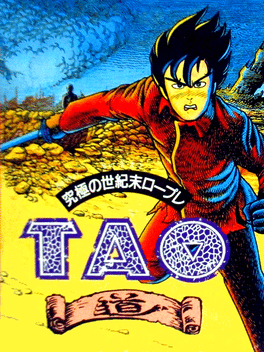
Tao is a quirky role-playing game with heavy religious themes. The game concerns a spiritual wanderer who is attempting to avert the end of days predicted by Nostradamus in a near future which has already been wracked with disaster. In order to do this, he must invoke the powers of various religions and belief systems, including those from Hinduism, Buddhism, Christianity and other faiths. The game is known for its abstract and unusual personality.All American Football
1989
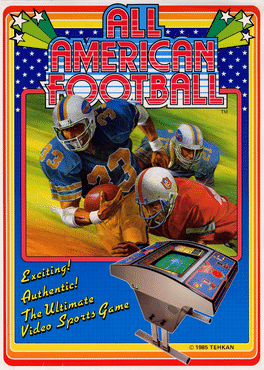
An American football game up to four players with all the features of "John Elway's Team Quarterback" and much more : improved graphics, sideline shop, etc.Coors Light Bowling
1989