New Puzzle Games - Page 284

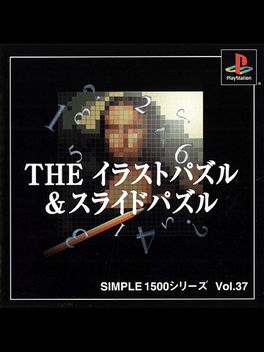
Simple 1500 Series Vol. 37: The Illust Puzzle & Slide Puzzle
2000
Big collection of illustration and slide puzzles for the player to choose and solve. Up to 2 players to play at the same time. There are more than 500 illustration puzzles and more than 100 slide puzzles.Ms. Pac-Man: Maze Madness
2000
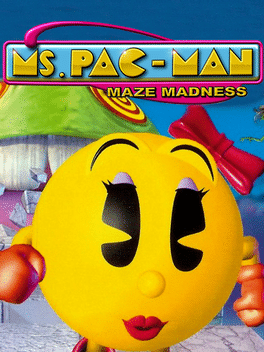
star 8.3Professor Pac learns that the witch, Mesmerelda, has seized control of the Enchanted Castle using black magic and from there is planning on stealing all four Gems of Virtue (Generosity; Truth; Wisdom; Courage) to control the "four wonders" (areas of Pac-Land). He creates a device called a Pactrometer which allows Ms. Pac-Man to go to these areas to recover the gems before Mesmerelda can get them first.Nice Cats
2000
Nice Cats
2000
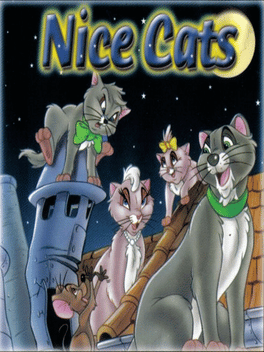
Nice Cats is a budget priced game for children. It has four activities on it's main menu, one of which just adjusts the sound levels. The other three activities are:Piecrust
2000
Freddi Fish's One Stop Fun Shop
2000
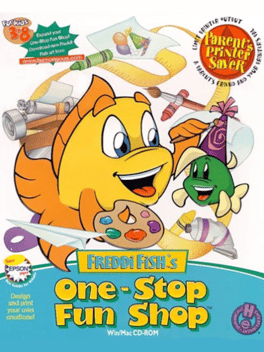
Kids join detective of the deep, Freddi Fish, in an exciting world of self-expression and ongoing discovery. Ideas take shape in front of them as they design their own projects, instilling confidence and inspiring creativity. Kids can design their own layout or customize ready-made templates, use fun tools such as bubble wands and spray paint, and apply them to various projects. Make hats, place mats, party invitations, cards, envelopes, calendars, and more. Personalized coloring pages let kids design onscreen or at the kitchen table. Kids can also pick a character, add a background, and listen as their customized story is read back.Magical Drop
2000
Magical Drop
2000
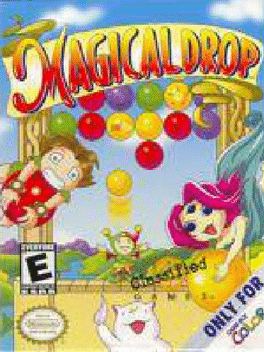
The Game Boy Color Magical Drop is heavily based on Magical Drop III. One notable omission from previous Magical Drop titles is the lack of a Story mode. This leaves the standard Endless mode as the only single-player mode. It is the only Magical Drop game that has never been released in Japan.Magical Drop 3
2000
Magical Drop 3
2000
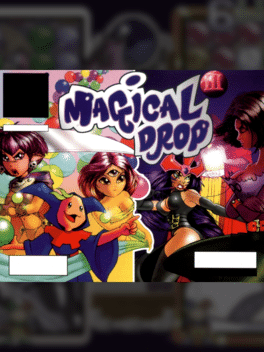
star 5.2Released in Japan as "Magical Drop III + Wonderful" and in Europe simply as "Magical Drop III", this version packages Magical Drop III: Yokubari Tokudaigou! with a console port of Magical Drop Plus 1! The game features a slightly slower gameplay pace than the Japanese version, omits the "Arcade" version and gallery from the Japanese release, and translates the game's script into multiple languages. Unlike previous versions released outside of Japan, this game retains the Japanese voice work; similarly, the port of Magical Drop Plus 1! is based on the Japanese version instead of Chain Reaction.Kirby Tilt 'n' Tumble
2000
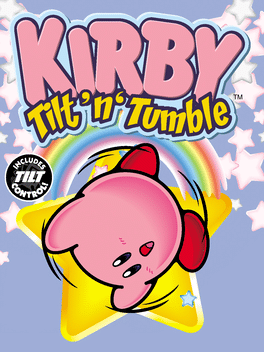
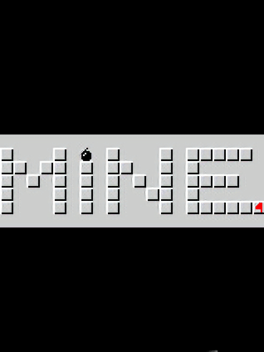
star 7Peacefully sleeping in his Dream Land, Kirby drifts lazily amongst the beauty of the sky. A beauty that King Dedede cannot abide with. Jealous of the sky's wondrous splendor, King Dedede has acquired a tool that will let him steal the night's stars, plunging the world into eternal drab daylight. When Kirby awoke, he found that it was still daytime. And evermore, it would be daytime, unless Kirby made the journey to find King Dedede and recover the stars to restore the night's sky. So begins the latest Kirby adventure, another action adventure with the morphing marshmallow in a starnge fantasy world. However, the one thing separating this latest adventure is the control scheme. Here, you don't control Kirby directly. Instead, you guide Kirby by tipping your system to roll the little round pink puff through a series of mazes. If you get in a jam you can make Kirby jump by a controller press, and Kirby can still acquire weapons from other enemies, but the real skill is using the tilting to your advantage.Mine
2000
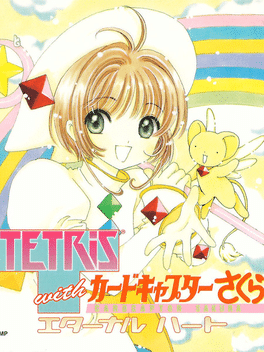
Tetris with Cardcaptor Sakura: Eternal Heart
2000
Tetris with Cardcaptor Sakura: Eternal Heart was released on August 10, 2000 and was published by Arika for the PlayStation 1.Tonka Workshop
2000
Tonka Workshop
2000
In the Tonka Town Workshop, players bring their own tool workbench (the play set for their computer's keyboard) with them to get a lot of projects done, with Tonka Joe as their host. At the workshop, players would use their tools to create cool projects and as well as get jobs done.Glocal Hexcite
2000
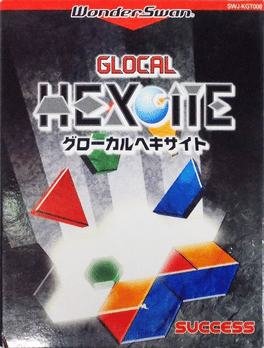
Glocal Hexcite
2000
Glocal Hexcite is a Puzzle game, developed by Gu Inc and published by Success, which was released in Japan in 2000.SuperLite 1500 series: The Tetris
2000
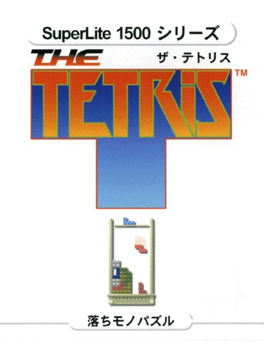
The original version of the latest puzzle game classic! "Tetris" is proud to number more than 50 million sales worldwide, is a popular puzzle game. This work "The Tetris" So scores continue to compete off the block "1PLAYER" mode, you can play with man against man "2PLAYER" We offer a mode. "1PLAYER" mode is a type of game scores compete. Eliminate one level up every 10 columns, change the background image is available 140 sheets at a time. The faster the blocks fall in the level rises will slow once every five levels, maintains the integrity of the tension and sense of relief on continuing the game. The difficulty levels from 0 to 30 can be selected at intervals of 5 levels. When you reach a level higher than 35 games go, the more you can choose from one level in the next play. "2PLAYER" mode is a type of game play against each other to do two users. Depending on the column player disappeared, garbage is fed to the other blocks. Saseta side wins piled up above the opponent's block.Suzuki Bakuhatsu
2000
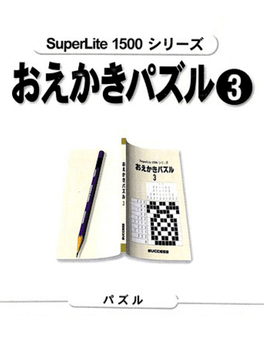
SuperLite 1500 Series: Oekaki Puzzle 3
2000
Complete collection of puzzle games will fill the picture based on the mass number of vertical and horizontal scratching puzzles first whenever visiting ?[third. Offers a wide range from beginners to advanced, are newly written and contained 200 questions for fulfillment. Course descriptions are also equipped with safety rules even beginners course. The configuration also introduces new features, making it more comfortable to operate.SuperLite 1500 Series: Sudoku 5
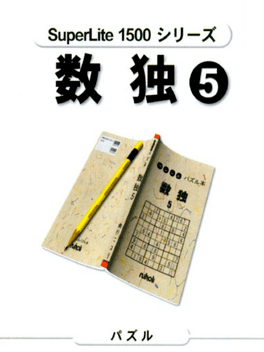
2000
Sudoku is a logic-based, combinatorial number-placement puzzle. The objective is to fill a 9×9 grid with digits so that each column, each row, and each of the nine 3×3 sub-grids that compose the grid (also called "boxes", "blocks", "regions", or "sub-squares") contains all of the digits from 1 to 9. The puzzle setter provides a partially completed grid, which typically has a unique solution. Completed puzzles are always a type of Latin square with an additional constraint on the contents of individual regions. For example, the same single integer may not appear twice in the same 9x9 playing board row or column or in any of the nine 3x3 subregions of the 9x9 playing board. The puzzle was popularized in 1986 by the Japanese puzzle company Nikoli, under the name Sudoku, meaning single number. It became an international hit in 2005. SuperLite 1500 Series - Suudoku 5 is the fifth sudoku game in the series for the Playstation One console that features over 200 different sudoku challenges. The game features 3 differeColorful Logic
2000
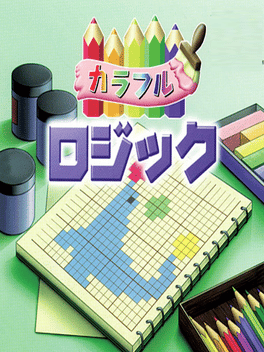
Colorful Logic
2000
Logic puzzles to complete to fill the grid in a number tips. Logic puzzle Along with crossword puzzles, and it is supported by the deep-rooted fan. Debuts at an affordable price where it to meet the demands of everyone referred to as "! Want to enjoy logic puzzles more easily"! Issue number of 250 questions in total. Color problem is equipped in addition to the normal problem 30 × 30 squares (a total of six) from 5 × 5 trout. It has become a work from beginner to advanced will enjoy towards various. It is one recommended for those looking for fun easily towards the logic puzzle love.Picross NP Vol. 8
2000
Picross NP Vol. 8
2000
The eighth and final of a series of eight Picross puzzle games distributed over the Nintendo Power cart-writing service. This part includes puzzles featuring characters from Donkey Kong Country.10 x 10
2000
10 x 10
2000
The 10x10 game is a puzzle game, which was presented to the world by Cyber, Qazix, Dexter and rVx, was published by the Cobra Software team in 2000 in Ukraine.