New Puzzle Games - Page 286

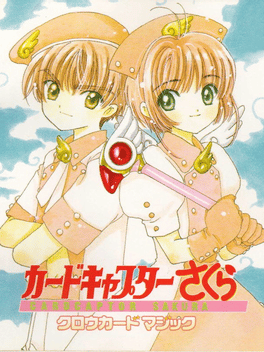
Cardcaptor Sakura: Clow Card Magic
2000
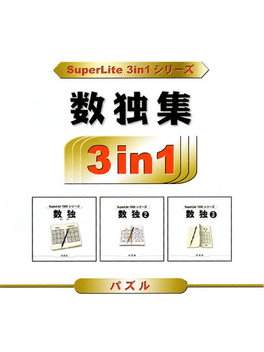
Action puzzle game based on the popular series Cardcaptor Sakura. Clear cards from the board and play as either Sakura or Syaoran.SuperLite 3in1 series: Sudoku Shuu
2000
Compilation of all three Sudoku games released on the PS1 by Success Corp.Puyo Puyo~n - Car-kun to Issho
2000
This game was released only in Japan. It is the fourth game in the Puyo Puyo series and the last set during the Madou-era in the main series. Continuing the trend of naming the games after puns, the name comes from a pun on "yon", the Japanese word for the number 4, but this time this is the only reference to the pun. The gameplay in is similar to that of Puyo Puyo 2, but adds super attacks. Clearing chains now builds up a "charge meter" which allows players to use them. The only other addition was a new game mode which could be played with a number of different field sizes, smaller or bigger than the standard 6x12, however, it removes several game modes that were present in Puyo Puyo Sun, i.e. the tournament, task and chain training modes. The art is also vastly different to the previous game in the series and, of course, the Fever series; this style was only otherwise used for Minna de Puyo Puyo. STORY: Satan has released an odd demon called Pierott. Pierott invites Arle and Carbuncle over to the “Puyo Puyo CTarepanda no Gunpey
2000
Tarepanda no Gunpey
2000
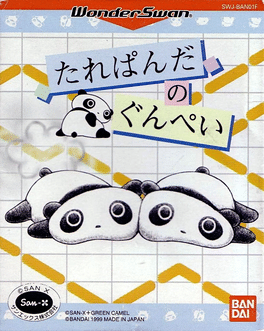
Tarepanda no Gunpey is a Puzzle game, published by Bandai, which was released in Japan in 1999.Hanagumi Taisen Columns 2
2000
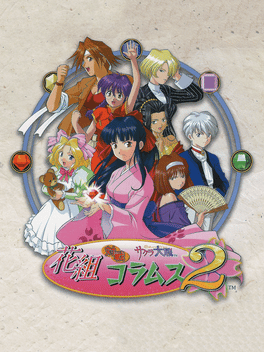
The members of the Sakura Wars Hanagumi meet together and confront again with the falling object puzzle. Compete with Sakura fans all over the country while staying at home for online matches! Using the communication function of Dreamcast, you can play online. You can test your skills with "Hana Kora" fans nationwide at home. Of course, you can also enjoy Sakura-related information on the Internet. A variety of game modes with a story and a single play! A variety of game modes are available, including the Red Boy vs Red Lizard Mode, where members of the Hanagumi clash over the protagonist, the 2P battle mode in which players compete with each other, and the 1P mode in which columns are played intently. Of course, there is also a story mode where you can get a glimpse of the daily lives of the Hanagumi members.O-chan no Oekaki Logic
2000
O-chan no Oekaki Logic is a Puzzle game, developed by Santaclaus and published by SunSoft, which was released in Japan in 2000.Akeyan Enigma
2000
Akeyan Enigma
2000
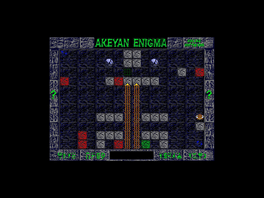
Akeyan Enigma is a video game published in 2000 on Windows by Soleau Software, Inc.. It's a puzzle game, and was also released on Windows 3.x and Mac.Sudoku
2000
Puzzle Master
2000
Puzzle Master
2000
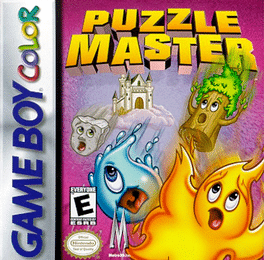
The Goblin King has corrupted the elements and is flooding the world, and it's up to you to save it. Groups of four elements fire, water, stone, and wood fall from the sky. You must position the elements in such a way that three of the same type touch each other, and are thus eliminated. However, there are some complicating factors: monsters will appear on the play field and will throw pollution blocks that cannot be removed. Further, each round has some tasks which range from watering a flowerpot to triggering a drawbridge that will eliminate several rows which need to be completed.Delta Warp
2000
Delta Warp
2000
Delta Warp is a Miscellaneous puzzle game, published by Iosys for the Neo Geo Pocket Color, which was released in Japan in 2000.Koi Koi Mahjong
2000
Koi Koi Mahjong
2000
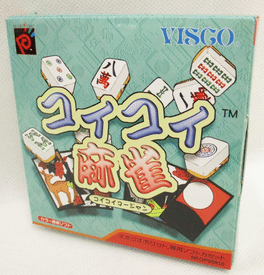
Koi Koi Mahjong is a Miscellaneous game, developed and published by Visco, which was released in Japan in 2000Gals Panic S2
2000
Funny Bubble
2000
Funny Bubble
2000
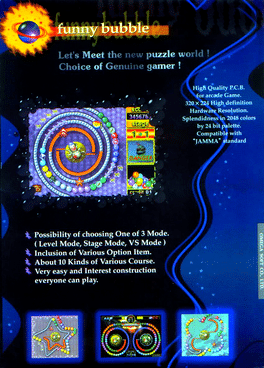
Color balls goes into spiral tube and you need to match 3 balls before the first ball enters the core.I Love Spelling!
1999
I Love Spelling!
1999
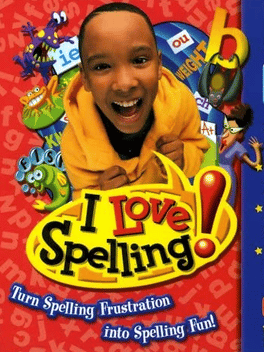
Building spelling skills becomes fun-and-games as you bop from planet to planet with your hilarious game-show host. An intelligent tracking system automatically adds misspelled words to your own personalized list, to give you extra practice where you need it most. With over 5,000 key words and 50 spelling-pattern word groups I Love Spelling! is based on core curriculum lessons, to match what kids learn in school. Words are divided into spelling lists that teach you the basics so you can apply it to almost any word in the English language.Itacante: La Cité des robots
1999
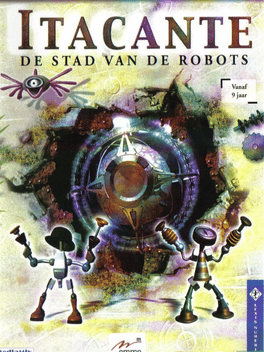
In this adventure and puzzle game made for children, players need to save the citizens of Itacante and fight against the tyrant Vulcor. Helped by their companions, they must construct and use robots to solve various puzzle boards, while being introduced to multiple scientific concepts.Rocko's Modern Life Slider
1999
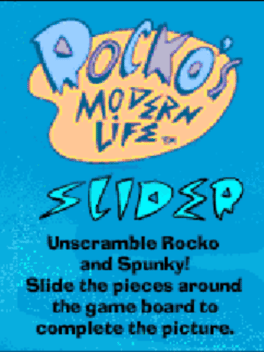
Unscramble Rocko and Spunky! Slide the pieces around the game board to complete the picture.Pandora's Box
1999
Rocko's Modern Life: Match-Master
1999
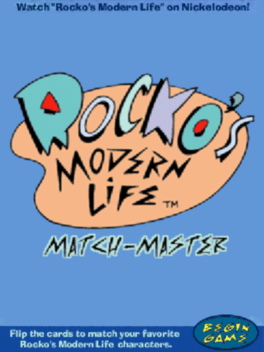
Generic memory game featuring images from the Nickelodeon cartoon.