New Sega Game Gear Games - Page 71

Chess Academy
1991
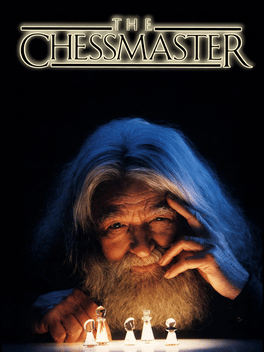
The Chessmaster
1991
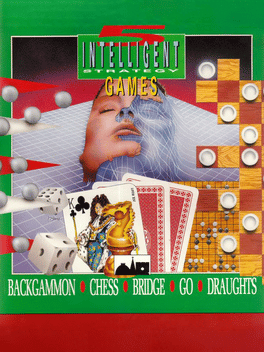
5 Intelligent Strategy Games
1991
a collection of 5 board games including: - Backgammon - Chess - Bridge - Go - DraughtsTriPeaks
1991
TriPeaks
1991
TriPeaks is a patience or solitaire card game that is akin to the solitaire games Golf and Black Hole. The game uses one deck and the object is to clear three peaks made up of cards. It was created by Robert Hogue and popularized as a result of being included in Microsoft Solitaire Collection 3.Tut's Tomb
1991
Tut's Tomb
1991
Tut's Tomb is a variation on "Pyramid", a patience or solitaire game of the Simple Addition family, where the object is to get all the cards from the pyramid to the foundation. The object of the game is to remove pairs of cards that add up to a total of 13, the equivalent of the highest valued card in the deck, from a pyramid arrangement of 28 cards. When using the standard 52-card deck, Jacks are valued at 11, Queens at 12, and Kings at 13.Hanafuda Yuukyou-den: Nagarebana Oryuu
1991
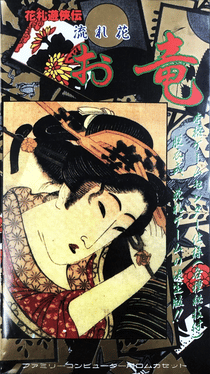
Hanafuda Yuukyou-den: Nagarebana Oryuu is a logical game with elements of erotic images. Naturally, you will see them only after victory. Hanafuda is a style of Japanese playing cards used to play a variety of games. Hanafuda translates to 'flower cards'. The name also refers to some games played with the cards.Monopoly
1991
Millionaire
1991
Millionaire
1991
Millionaire is a version of the popular board game Monopoly. The rules are pretty similar to the original, but the places in the board are the most noticeable difference. Instead of pieces of land with street names, the board features country names, such as Spain, Turkey or Switzerland. After buying such places, players can build houses or hotels. Up to four players can take turns in this game. Each one starts with 7.500 dollars, and leaves the board when there's no money left to pay the bills. The last player standing wins.Monopoly
1991
Monopoly
1991
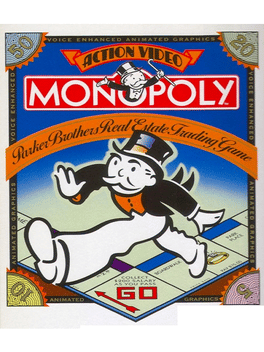
Satellaview Super Nintendo Entertainment System Sega Mega Drive/Genesis Family Computer Nintendo Entertainment Systemstar 6.9Monopoly is a video game based on the board game Monopoly, released on Genesis, NES, and SNES. Developed by Sculptured Software and published by Parker Brothers. This title was one of many inspired by the property.Chinese Checkers
1991
Chinese Checkers
1991
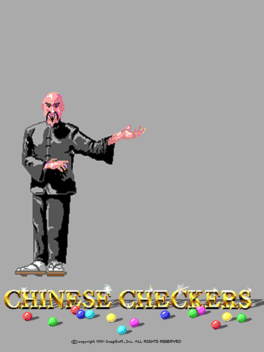
This PC rendition of Chinese Checkers allows players to decide if each color is controlled by a player, controlled by a computer, or removed from the game entirely. It features game saving, a hint system, and music.Battleship
1991
Battleship
1991
Battleship is a conversion of the classic board game for the CD-i. The game plays exactly like the original board game. You take turns to fire on certain coordinates in the hope of hitting enemy ships. On the side of the screen there's a little window that shows short naval archive footage whenever you are firing or get hit. You can play against the computer or against a friend.Strip Poker Three
1991
Strip Poker Three
1991
The 3rd edition of Strip Poker allows you to play with three girls at once. Now with VGA photos of three new girls. Digitized speech at intro is introduced. Rules of five cards poker are not changed. During your play you can undress your woman opponent by winning all her money.Mahjong Vanilla Syndrome
1991
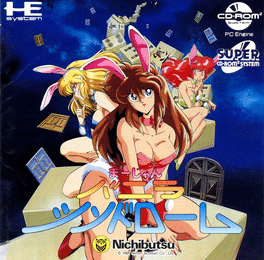
In Mahjong Vanilla Syndrome, the player takes the role of a young man who finds a mysteriously-looking little house, opens the door - and falls through a portal into another dimension! There, he is greeted by a cute bunny-eared girl named Vanilla (perhaps it should have been Bunnyla, but we'll never know), who says she is the guardian of the portal, and if he wants to return home, he'll have to defeat her and the other guardians in the game of mahjong!Super Momotaro Dentetsu
1991
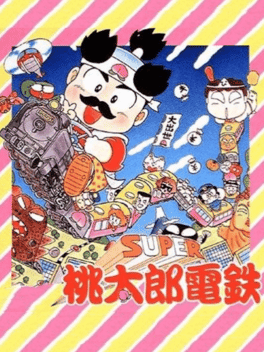
Super Momotaro Dentetsu is a video game in the Momotaro Dentetsu series of board game-style video games, genre released in 1989 by Hudson Soft for the Game Boy. The game was only released in Japan. It is the port of the first game in the series for the Game Boy.Igo-Shinan '91
1991
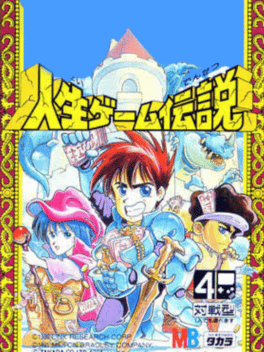
Jinsei Game Densetsu
1991
Hoyle Official Book of Games: Volume 3
1991
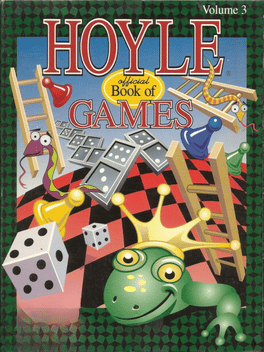
Six board games are transformed to the computer screen in the third Hoyle's release. Snakes & Ladders, Backgammon, Yacht / Yahtzee, Checkers, Dominoes and Pachisi / Parcheesi all feature, with animated graphics and sound effects. As there is no time-sensitive action, and the game rules are familiar, these packs were designed to appeal to a wider range of people than most computer games. At least one human player is required - other players can be human or computer. The 18 computer opponents from the first Hoyle's game return, many of them modeled on other Sierra characters such as Larry Laffer, and again some play 'good' and some play 'evil'.The Chessmaster
1991
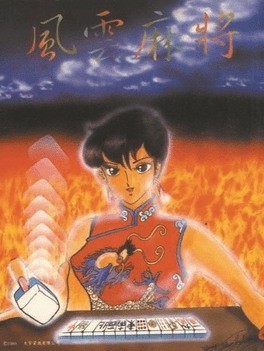
Fengyun Majiang
1990