New Hack And Slash Beat Em Up Games - Page 31

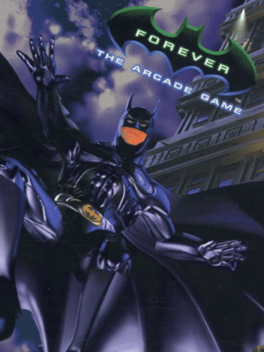
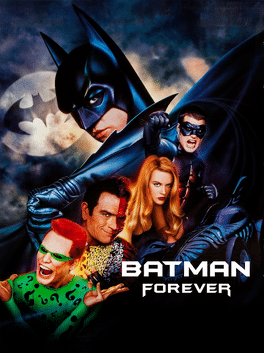
Batman Forever: The Arcade Game
1996
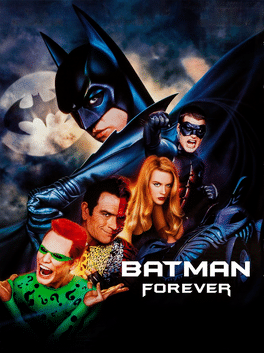
star 5.7A Final-Fight/Double-Dragon style game which features the Caped Crusader and his sidekick Robin in a traditional beat-em-up. Based on the Batman Forever movie, this side-scrolling beat-em-up features the plot, several memorable characters, and quotes from its movie counterpart. The player gets to use batarangs, a bat grapple, and tons of other Batman-specific goodies in order to accomplish their goals. The player can create their own combos and collect power-ups to help them in their quest to rid the streets of Gotham from an everlasting flow of bad guys.DragonHeart: Fire & Steel
1996
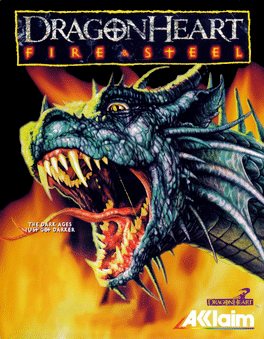
This game is a tie-in for the movie directed by Rob Cohen starring Dennis Quaid and Sean Connery as the voice of Draco. DragonHeart puts you in the sweaty medieval shoes of dragon hunter Bowen, as he faces the last dragons still surviving, and then ends up befriending one, Draco. With his help, he goes after King Einon, a former pupil of the dragon hunter, who has turned to evil. DragonHeart's gameplay is quite similar to the Golden Axe series. Hack'n'slash your way through the nine levels of the game, killing dragons, befriending Draco and then going after Einon with Draco's help (who will toast everything in the way with his flame breath).Tenchi wo Kurau II: Sekiheki no Tatakai
1996
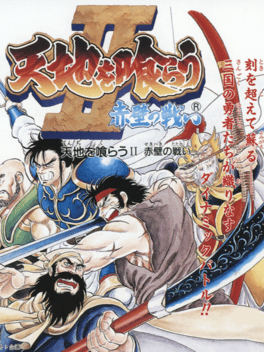
Tenchi wo Kurau II: Sekiheki no Tatakai is a side-scrolling beat-'em-up produced by Capcom first released originally as a coin-operated arcade game in 1992 and then later ported over to the PS1 and Sega Saturn. Tenchi o Kurau II: Sekiheki no Tatakai is a beat'em up with 9 stages, in each of which there are large mobs including spearman, archers, strongmen, bomb-wielding opponents, and at least one Wei boss. There can be up to three players on-screen at the same time. Using two buttons, Attack and Jump, the characters all have standard moves typical of Capcom side-scrollers of the day. Common enemies including Wei soldiers such as bandits, privatees, wrestlers, fatties and thieves will keep poping up from everywhere. In the end of each stage there is a Wei general as stage boss. Li Dian, Xiahou Dun, Xu Chu, Zhang Liao, Cao Ren, Xu Huang, the infamous Lu Bu as final boss. After defeating them all, there is also Cao Cao himself who would try to escape. There is also a variety of weapons in the game which can be pickBattlemaniacs
1996
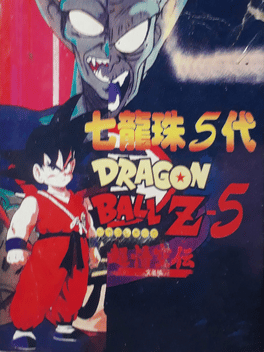
Dragon Ball Z 5
1995
Dragon Ball Z 5
1995
Dragon Ball Z 5 is an unlicensed Beat 'em up for the Famicom, based on the Dragon Ball Z anime. It was released around 1995.Catacombs
1995
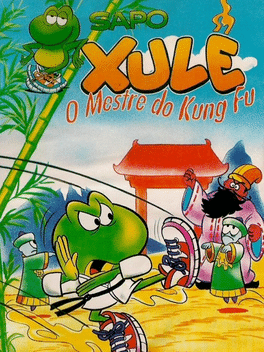
Sapo Xulé: O Mestre do Kung Fu
1995
Sapo Xulé: O Mestre do Kung Fu is an official port of Kung Fu Kid made by Tectoy and released in Brazil in 1995.Sānguózhì 4: Chìbì Fēngyún
1995
A beat 'em-up by Cony Soft set in The Records of the Three Kingdoms books.Iron Blood
1995
Iron Blood
1995
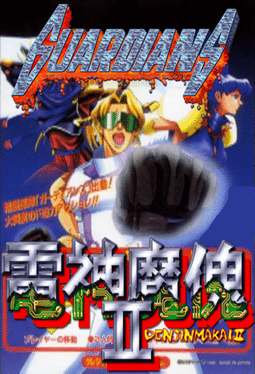
Iron Blood is an arcade-style action game where the player controls one of two mechs, fighting against the criminal organisation Memento Mori. Piloting the heavily-armored RG-104 Cyber-Troll or the nimble SG-43 Ripple, the game varies between side-scrolling action and auto-scrolling shoot'em up stages.Guardians: Denjin Makai II
1995
Guardians, also known as Denjinmakai II, is a side-scrolling beat 'em up developed by Winkysoft and published by Banpresto that was exclusively released as a coin-operated arcade game in 1995 as the successor of the 1994 arcade game Denjinmakai.Jim Lee's Wild C.A.T.S: Covert Action Teams
1995
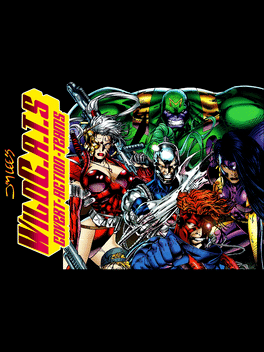
The only thing stopping the immortal Helspont from taking over the earth is a group of high-powered heroes known as the WILDC.A.T.S! Each member of the team wields incredible power - when united, the results are spectacular! Players assume the roles of: Spartan, Cyborg and team leader, Maul, massive cross-breed warrior, and Warblade, metamorphosing hand-to-hand combat expert! If mankind has one hope, it;s the WILDC.A.T.S! -Based on Jim Lee's top selling comic book and smash Saturday morning cartoon sensation! - Unique team-play action requiring a combination of hero's powers to complete the game! -16 Megabit game packs solid punch with intense graphics based on comic book style and hard-edged game play!Batman Forever
1995
Batman Forever
1995
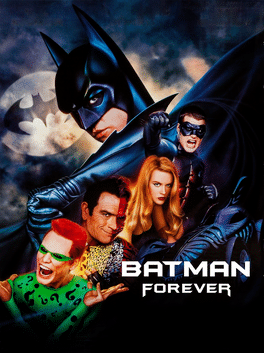
star 4.4Brace yourself for endless action with BATMAN FOREVER! Batman and Robin blast into Gotham City in a duo-player fighting game! Armed with over 125 incredible attacks, fierce combat moves, and an arsenal of gadgets, the Dynamic duo are ready to battle the diabolical minds of Two-Face and The Riddler! Without a question...it's BATMAN FOREVER!Batman Forever
1995
Batman Forever
1995
Batman Forever
1995
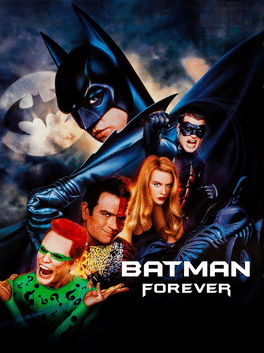
star 6.4Batman Forever is a beat 'em up video game based on the movie of the same name, where you can play as either Batman or Robin.Batman Forever
1995
Renny Blaster
1995
Renny Blaster
1995
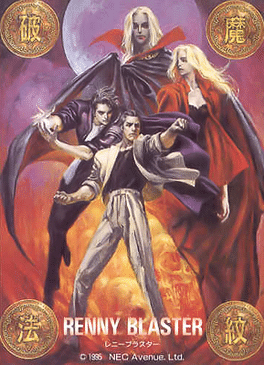
A side strolling beat 'em up where you play as detective Fujiro who is hired to stop a gothic horror in the city.The Amazing Spider-Man: Lethal Foes
1995
The Amazing Spider-Man: Lethal Foes is an action game released in 1995 for the Super Famicom, showcasing the Marvel Comics character Spider-Man. This game, launched in Japan, seems to have drawn its title inspiration from the 1993 limited series "The Lethal Foes of Spider-Man." However, it's important to note that the game's storyline diverges from that of the comic, despite incorporating various adversaries of Spider-Man.Timecop
1995
Timecop
1995
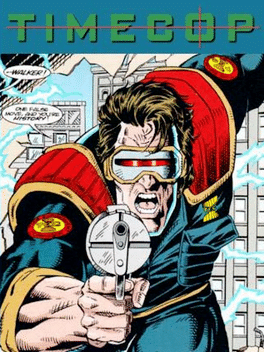
Timecop is a side-scrolling action game. This game follows Max Walker as he heads off on another time-hopping criminal case. The time criminal is Dr. Hans Kleindast: the original inventor of the time-travel technology that the Time Enforcement Commission relies upon.Iron Commando
1995
Iron Commando
1995
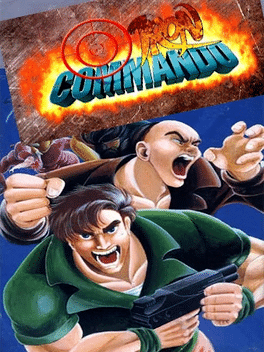
Take control of either Jake, a soldier, or Chang Li, a martial arts master, in your quest to stop G.H.O.S.T.Mortuum
1995
Mortuum
1995
Mortuum is an arcade game in which you play Cruentus, an undead witch-king. You must fight your way through many levels using your sword and magic. Your sword is controlled using directional keys, and swinging your sword at an enemy will damage it more than stabbing it. Each level is completed when you cast a gate spell and go through the gate, but if you spend too much time in a level, the Angels of Mortuum will come after you.