New Family Computer Games - Page 14

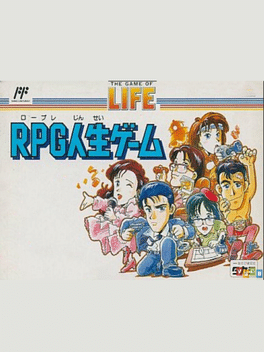
The Game of Life: RPG Jinsei Game
1993
The Game of Life: RPG Jinsei Game is a Japan-only role playing game for the Family Computer that is similar to Jinsei Game, which is the Japanese version of The Game of Life. The object is to explore a city full of stores, places of employment, and learning places. Starting from home, the player must earn money and statistics in order to unlock the better features of the game. Unlike most games based on the Jinsei Game series, RPG Jinsei Game doesn't use a spinner system. Instead, the controller pad is used for movement and random encounters are featured like in Dragon Quest. The player can also talk to strangers who might either give him/her advice or do something malevolent to him/her. As in the actual Game of Life board game, the player has to choose from a series of careers ranging from a musician to a photographer and even a professional wrestler. Most of these tasks are mundane while one of the quests directly involves chasing down unidentified flying objects. Buildings that are crucial to the quest (otherDaiku no Gen-san 2: Akage no Dan no Gyakushuu
1993
Daiku no Gen-San 2: Akage no Dan no Gyakushuu is an Action game, developed by Micronics and published by Irem, which was released in Japan in 1993.YuYu Hakusho: Bakutou Ankoku Bujutsu Kai
1993
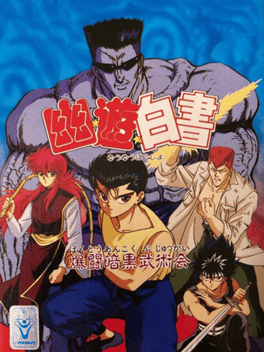
YuYu Hakusho: Bakutou Ankoku Bujutsu Kai is an Action game, developed by TOSE and published by Bandai, which was released in Japan in 1993.Battle Rush: Build Up Robot Tournament
1993
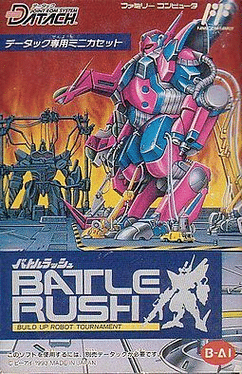
The player has to build his own combat robot to use in a fighting tournament. These robots are built in factories that assign the robot a name in addition to installing its head, body, shoulder, and feet. The player has a pre-game lobby to get ready for the robot combat action. All matches have rounds of 60 seconds (unlike the 99-second round of most modern fighting video games). Both robots have a separate gauge for energy and damage. Standard punches and kicks can be thrown in addition to special moves (which look like ammunition).Pachi-Slot Adventure 2
1993
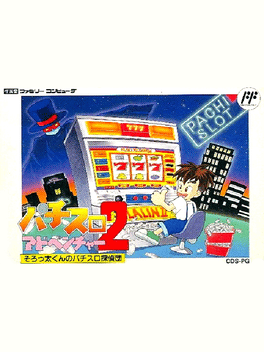
Pachi-Slot Adventure 2: Sorotta-kun no Pachi-Slot Tanteidan is a Miscellaneous game, developed and published by Coconuts Japan, which was released in Japan in 1993.Rokudenashi Blues
1993
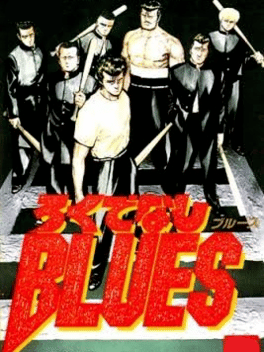
Rokudenashi Blues
1993
An RPG brawler released for the Family Computer and Super Famicom based on the anime and manga of the same name. Both were developed by TOSE and published by Bandai. Rokudenashi Blues ("Good-for-Nothing Blues") is a RPG brawler based on the manga of the same name, which also saw two anime movie adaptations close to its release. The player character, Taison Maeda, is a delinquent student who is training to be a professional boxer. He has a reputation as a powerful fighter among delinquent gangs as a result, though despite being violent he has a code of honor. The Famicom and Super Famicom versions of the game are subtly different due to console differences, but both share their genre, developer and publisher. The Famicom game was released in October 1993, with the Super Famicom version following in April 1994. Characters from this game have appeared in Jump crossover games, specifically Famicom Jump II and Jump Ultimate Stars.Kouryu Densetsu Villgust Gaiden
1993
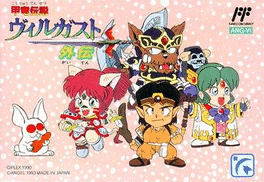
Kouryu Densetsu Villgust Gaiden is a Role-Playing game, developed by TOSE and published by Angel (Bandai), which was released in Japan in 1993.Crayon Shin-Chan: Ora to Poi Poi
1993
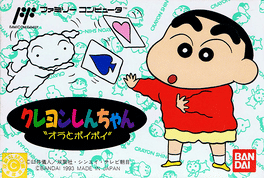
The game is a simple card game with a Tetris element. The layout is similar to a Tennis court with both players on either sides defending their goal, while stacks of cards are positioned in the center. Players must move Shin up and down sliding cards, in two's, to the center pile matching up symbols and push each stack back to the opponent's side in an attempt to over take their goal.Ushio to Tora: Shinen no Daiyou
1993
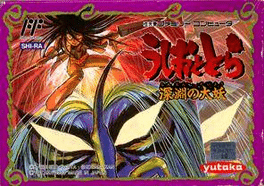
Ushio to Tora: Shinen no Daiyou is a Role-Playing game, developed by Pixel and published by Yutaka, which was released in Japan in 1993.Dragon Ball Z Gaiden: Saiya-jin Zetsumetsu Keikaku
1993
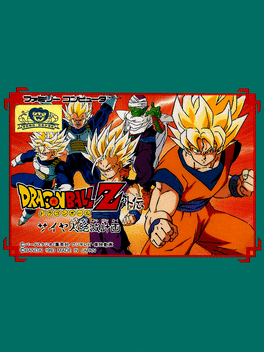
star 6.6You control five various Dragon Ball characters in this game: Son Goku, Son Gohan, Piccolo, Vegeta, and Future Trunks. The game is based on training your characters, and fighting with them. The outcomes of the fights are determined by the player choosing different cards he has at his disposal, and combining them to create various attacks.Armed Dragon Fantasy Villgust
1993
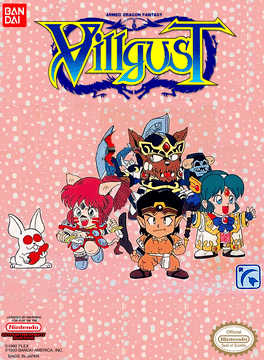
Armed Dragon Fantasy Villgust is a Role-Playing game, developed by TOSE and published by Angel (Bandai), which was released in Japan in 1993. This game is based off the anime of the same name that was released many years ago.Sanguozhi: Chibi zhi Zhan
1993
An Unlicensed version of Capcom's 'Warriors of Fate', developed and released by NTDEC in TaiwanPachio-kun 5
1993
Pachio-kun 5
1993
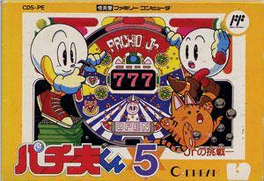
The final Famicom Pachio-kun game. Pachio-kun 5 is a Miscellaneous game, developed by Color Dreams and published by Coconuts Japan, which was released in Japan in 1993.SD Gundam: Gundam Wars
1993
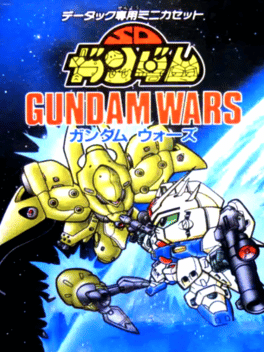
SD Gundam: Gundam Wars is a Role-Playing game, developed by TOSE and published by Bandai, which was released in Japan in 1993.Ultraman Club: Supokon Fight!
1993
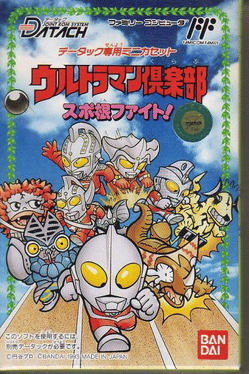
Ultraman Club: Supokon Fight! is a Sports game, developed by TOSE and published by Bandai, which was released in Japan in 1993.Kunio-kun's Nekketsu Soccer League
1993
star 8.1Hi, I am Misako of Nekketsu High. I am the manager of our local soccer team. Finally, we can prove that Nekketsu FC is the greatest team in the world. If we work hard and qualify, the Technos Japan Cup will determine who is the greatest in the world. After Nekketsu FC was formed, I was supposed to lead the team to victory, but I haven't been able to keep my promise. But Kunio is here, and he will guide us to victory. I won't meddle in, but I will offer my advice if you want it. Nekketsu FC, let's go! The game was originally released as Kunio-Kun no Nekketsu Soccer League, but has since been localized as Kunio-kun's Nekketsu Soccer League.Pyokotan no Daimeiro
1993
Pyokotan no Daimeiro
1993
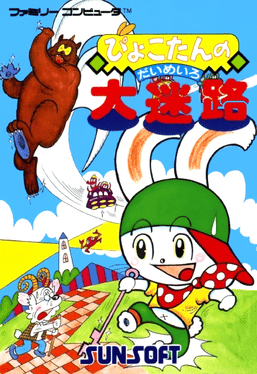
Pyokotan no Daimeiro is an Action game, developed by Japan System Supply and published by SunSoft, which was released in Japan in 1993.Casino Derby
1993
Mezase! Top Pro Green ni Kakeru Yume
1993
Mezase! Top Pro Green ni Kakeru Yume is a Sports game, developed and published by Jaleco Entertainment, which was released in Japan in 1993.