New Family Computer Games - Page 13

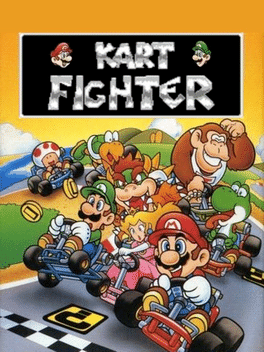
Kart Fighter
1994
Kart Fighter
1994
Kart Fighter is an unlicensed 2D fighting game produced for the Nintendo Famicom. The game features unauthorized appearances by Nintendo's mascot Mario and the rest of the cast of Super Mario Kart in a port of Street Fighter II.Nakayoshi to Issho
1994
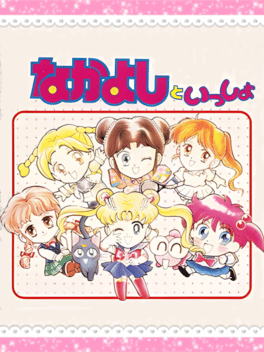
Nakayoshi to Issho
1994
Nakayoshi to Issho is an Adventure game, published by Yutaka, which was released in Japan in 1993.Keroppi to Keroriinu no Splash Bomb!
1994
Keroppi to Keroriinu no Splash Bomb! is an Action game, developed by Geo Factory and published by Character Soft, which was released in Japan in 1993.Shooter
1993
Snake Charmer
1993
Clown
1993
3 in 1 Supergun
1993
3 in 1 Supergun
1993
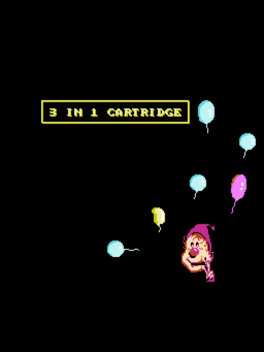
3 in 1 Supergun is a compilation of light gun games, developed by Chengdu Tai Jing Da Dong Computer Co and published by Micro Genius, which was released in Asia and Italy in 1993. This multicart contains three games, of which require a zapper to play. Oddly, all 3 games start up with a menu reading "Gun Fighter" on the top and with the option of selecting 3 difficulties. At least two versions of this multicart are known to exist, with the other version(s) fixing the spelling of "Clown" on the menu and adding 3 (non-zapper) games; one dumped variant adds F15 City War, Poke Block and Volleyball.Fire Dragon
1993
Fire Dragon
1993
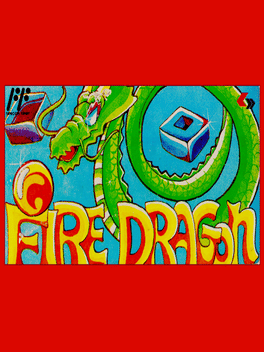
Fire Dragon is an unlicensed snake clone released on multiple systems by multiple companies. Fire Dragon was released on the Famicom in the early 90s. It was developed by Gamtec. It was released by BIC and likely Gamtec or a related company in other countries. In 1993 a Mega Drive version of the game was released by Songtly and Jumbo. On the box this version is called Lóng Xíng Tiān Xià, on its title screen it is just called Lóng, and on a splash screen that appears when the game is booted up, it is called Link Dragon. This version features new music and a music test option. A Gameboy version was also released. This version appears most similar to the Mega Drive version. In an early build of the game found on Vast Fame's multicarts it is called Lóng Xíng Tiān Xià on the title screen. It would later on be published by Gowin as Guā Guā Huǒ Lóng. In situations where an English name is displayed it is referred to as Fire Dragon. This version features the same music as the Mega Drive version, but lacks aMario Fighter III
1993
Master Fighter VI'
1993
Master Fighter VI'
1993
Master Fighter VI is a port of the Street Fighter II: Champion Edition to the Famicom, made by Hummer Team & published by Yoko Soft in 1993.Super Mario 14
1993
Super Mario 14
1993
Super Mario 14 is a hack of the Japan-exclusive Famicom title Kaiketsu Yanchamaru 3: Taiketsu! Zouringen, the second follow-up to Kid Niki: Radical Ninja.Street Blaster II Pro
1993
Is a pirated port of Street Fighter II: Championship Edition, made by Cony Soft in 1993. This release only contains the original 8 fighters, with the bosses appearing in later variants. The presentation is more accurate to the real Street Fighter II than the re-releases/hacks that came afterwards. Like Cony's other games, the AI is considered to be unfairly difficult and is known to frequently spam specials. The special moves themselves are executed differently to the official Street Fighter II, requiring the player to press a direction on the D-pad plus A and B at the same time, with the exception of special moves that require to press a button repeatedly. The ending is a simple credits screen which appears in many of Cony's other games.Kuài Dǎ Chuánshuō
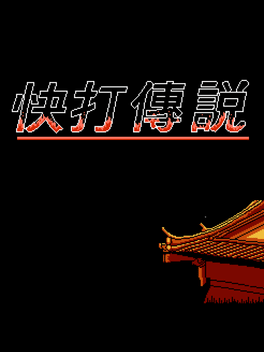
1993
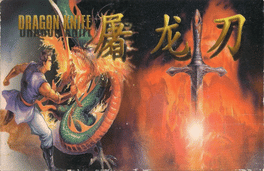
Dragon Knife
1993
Fighting Hero III
1993
Fighting Hero III
1993
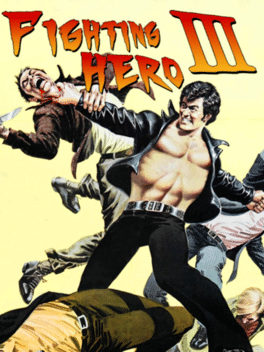
Fighting Hero III is a fighting game, created by NTDEC and released in 1993. While ostensibly a sequel to Fighting Hero, the two games share little in common besides their genre.The Universe Soldiers
1993
The Universe Soldiers is a Pac-Man clone made by the Taiwanese developer, Gametek. In the game you travel around the universe collecting dots to save the universe. Each world within the game contains 2-3 levels. An ending is also included.Nekketsu! Street Basketball All-Out Dunk Heroes
1993
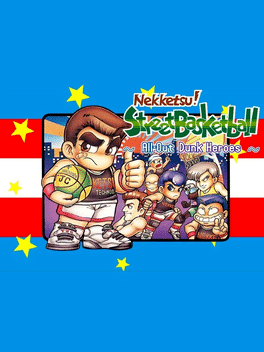
To our amazement, Kunio entered the Downtown Quiz and won. Thanks to him, we got a journey to the United States for 15 days as a victory prize. First thing first, Kunio went to see "Johnny" at the Oklahoma high school that he had befriended while in an exchange program. Along for the trip was also Riki, and thanks to him, he entered us into a street basket tournament. Lead us to victory even overseas, Kunio! The game was originally released as Nekketsu Street Basket: Ganbare Dunk Heroes, but has since been localized as Nekketsu! Street Basketball All-Out Dunk Heroes.Momotaro Densetsu Gaiden
1993
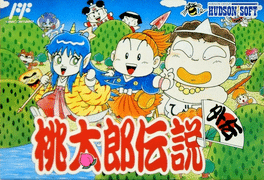
The Family Computer port of the Game Boy game under the name of Momotaro Densetsu Gaiden. A spin-off of Hudson's Peach Boy RPG series that focuses on three side characters instead. The game switches focus from Momotarou to three extra characters, each has their own distinct campaign to play through. One follows a standard RPG route of a hero's journey, another involves the princess of the kingdom of demons as she attempts to uncover an attack on her father's throne with a band of allied monsters, and the third involves a thief who steals money from monsters and gives it to beggars. Each campaign follows the core gameplay of the series: overworld exploration and turn-based combat.Igo-Shinan '94
1993
Famista '94
1993