New Ps3 Games - Page 276

Otostaz
2002
Otostaz
2002
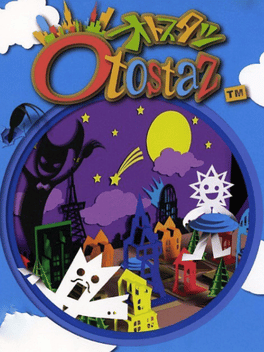
Paperhood Saw and Paperhood Mont are two paper-thin characters who inhabit the world of Otostaz. As the game begins, Saw appears on screen above a matrix of brown squares. A never-ending stream of icons representing water, earth and wood trail him in a virtual supply line. Saw's job is to lay down these icons in contiguous water-earth-tree combinations in order to create small houses on earth patches. Plop down a 5 x 5 grid of these combinations and you'll create a little neighborhood. Once you've laid down the foundation of your fledgling town, drop down additional building supplies to develop the houses into bigger buildings, all the way up to towers which resemble the Eiffel in France. At one point, if you reach a certain level of development, the towers shine rays of light towards the heavens in an impressive visual show. Each level moves slowly from left to right, destroying columns of development on the left while new columns rises on the right. Your goal is to build structures and develop them fast enoughBomberman Max 2: Red Advance
2002
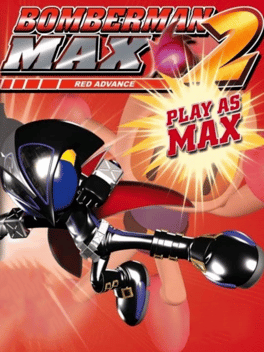
Bomberman again teams up with Max to take on the evil Mujoe. But before they get the chance, Mujoe turns the tables, shrinking the heroes into tiny critters. Now the two must use their bombing powers and traverse the levels, blowing up obstacles and enemies to get to the exit, to eventually destroy the device and return themselves to normal size. As with all previous Bomberman title, the aim of the game is to plant bombs, destroying anything that come within the boundaries of the blast. Charabomb characters can be collected during play to increase your powers, or you battle and trade them with a friend in link mode.Zoocube
2002
Zoocube
2002
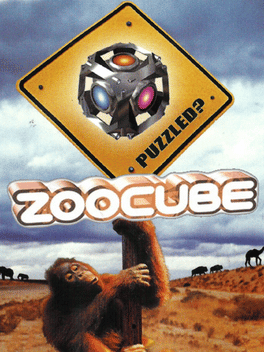
star 7.3Created by PuzzleKings, ZooCube takes puzzlers to a whole new dimension - the third dimension. Around the world, animals have been transformed by shape-altering science experiments and need help in returning to their natural state. Players use their ZooCube to rescue and return the animals to the flying ark.Tako no Marine
2002
Microsoft: My Personal Tutor 1st & 2nd Grade
2002
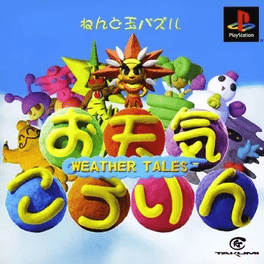
Come along with Professor Presto on a fun-filled learning journey--from outer space to beneath the sea, to a museum brimming with adventure. Microsoft My Personal Tutor: 1st & 2nd Grade contains hundreds of activities, games, songs, storybooks, and characters to entertain your child for hours. With three full-featured CD-ROMs, it's a great value. This software offers the TutorAssist technology to provide your child with personalized instruction that uses engaging multimedia tutorials.Otenki Kororin: Weather Tales
2002
Otenki Kororin: Weather Tales is a Japan-exclusive weather-themed Puzzle Combat Game by Takumi Corporation done in claymation. Taito originally published it for the Arcade in October of 2001 and then ported it to the PlayStation on May 02, 2002 by Takumi Corporation.Pokémon Puzzle Collection Vol. 2
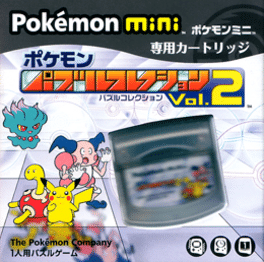
2002
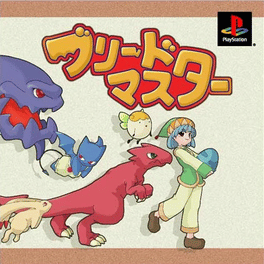
A follow-up to the previous year's Pokémon Puzzle Collection for the Pokémon Mini, Vol.2 features both an increased number of Pokémon and a wider variety of mini-gamesBreed Master
2002
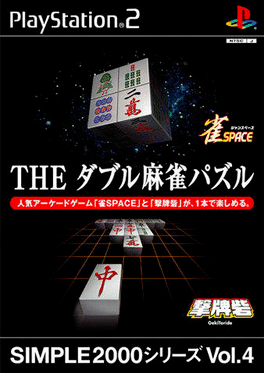
Simple 2000 Series Vol. 4: The Double Mahjong Puzzle
2002
Simple 2000 Series Vol.004 - The Double Mahjong Puzzle is a puzzle game with 2 different kind of puzzles based on mahjong. In both games there is a time limit and when is reaches zero is game over.Sheep
2002
Sheep
2002
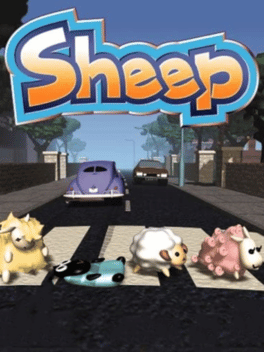
Sheep takes puzzle game elements and blends them into a game that's tailor made for Game Boy Advance. Your task? Guide these hapless creatures back to the truck. Sounds easy huh? It's not when your sheep keep going in the opposite direction!Tetris
2002
Tetris
2002
Tetris for Wonderswan Color is the first Tetris Guideline compatible game in Japan. Tetris is one of the great many versions of the famous soviet block-stacking game. Pieces made up of four blocks (dubbed "tetriminoes") fall into a 10x20 square well, and must be arranged into complete lines, which then vanish and clear more space on the board. As lines are cleared, the game speed increases until either the tetriminoes reach the top of the well or the player completes the goal for the current mode.The Hunchback of Notre Dame
2002
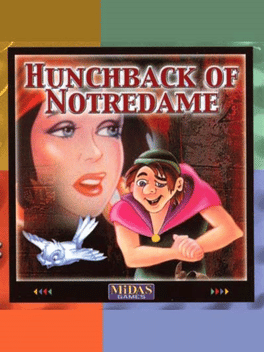
The ugliest man in Paris, bell-ringer Quasimodo is mocked or ignored by everyone in the city. Then, one day, Quasimodo falls in love with the dancer, Esmeralda, and his life changes forever. As well as a great 50 minutes cartoon video, Hunchback of Notredame features an easy-to-use virtual colouring book and a challenging puzzle game. Can the hunchback find love?Acno's Energizer
2002
Acno's Energizer
2002
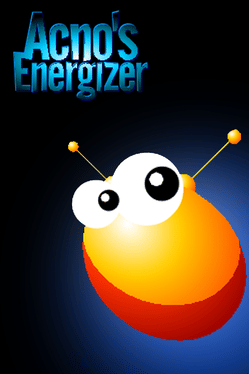
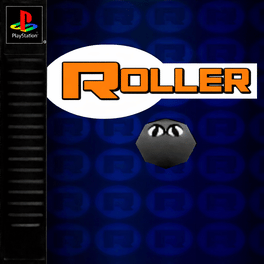
Acno's Energizer is a flash game developed by Uselab and published on the Miniclip flash portal in 2000. Acno's Energizer is a puzzle game where the player maneuvers Acno, a little yellow sprite, around a room with goal of getting one or more red orbs into the portal to "energize" it and move to the next level.Roller
2002
Pokémon Tetris
2002
Pokémon Tetris
2002
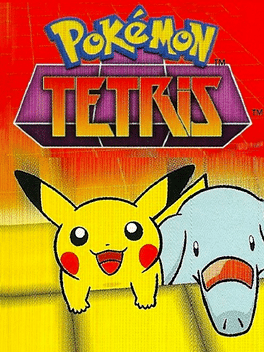
Pokémon Tetris is a game released as part of Pokémon mini. It has only been released in Japan and Europe. It was classified by the ESRB as E for Everyone under the title Pokémon Mini Shock Tetris, but was never released in the United States. The game is inspired by Tetris. The game consists of several variations of the main game of Tetris with varying levels of difficulty. This game also allows most bricks to be Flipped by shaking the Pokémon mini. In all one player and VS. games, a silhouette of a Pokémon will be shown on the right hand side of the screen; if the player can make a match of 4 or more lines, the Pokémon will be captured and added to the in-game Pokédex. The player has a limited time to capture the Pokémon before it is replaced by another one chosen at random.Koro Koro Puzzle: Happy Panecchu!
2002
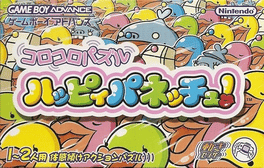
Koro Koro Puzzle: Happy Panecchu! is a Puzzle game, published by Nintendo, which was released in Japan in 2002.Frozen Bubble
2002
Frozen Bubble
2002
Frozen Bubble is a puzzle game that started out on Linux and has later been ported to other systems.Bomberman Max 2: Blue Advance
2002
star 7Bomberman and Max have been shrunk to the size of an ant by the evil Mujie's secret weapon. Work together with max to find and destroy the device before Mujoe can take control of the universe. And so the newest adventures of Bomberman begins!