New Games - Page 13026

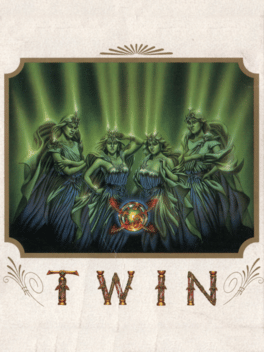
Twin
1992
Gomenne Angel: Yokohama Monogatari
1992
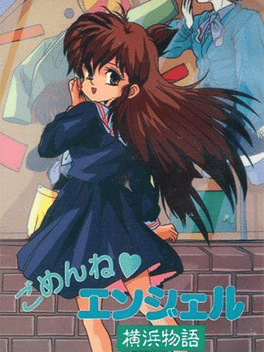
One day the hero picks up a notebook and it turns out to be a possession of a girl student of St. Francis girls academy where his fiance is teaching. All three of them meet in a cafe, but girl looks very anxious. Her sister disappeared. And we'll help to find her.X-Men
1992
X-Men
1992
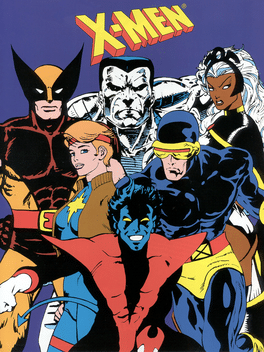
star 6.9An arcade brawler starring six X-Men characters. It was the only brawler to allow up to 6 simultaneous players on one arcade machine.Cyraid
1992
Cyraid
1992
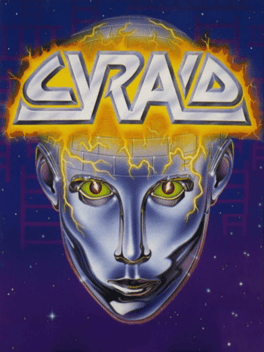
star 53090 A.D. Earth exists as a united and peaceful federation... Until an insanely evil scientists known as ROGUE plants to conquer Earth with an army of dangerous robots, from his fortress CYRAID, high above the capitol city Trillilium. The Federation has called its best Agents of Peace, code named WARRIOR and FIGHTER, to destroy CYRAID. ROGUE's spies have informed him that WARRIOR and FIGHTER are brothers. To keep them from destroying CYRAID, ROGUE will kidnap NATASIA, their adored mother. If he can distract them from their mission, he may have enough time to conquer the Federation and rule Earth!Double Dribble: 5 on 5
1992
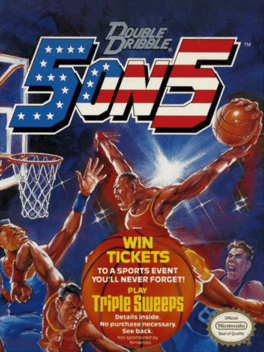
star 5.4Compared to many sports-related Nintendo games of this era, Double Dribble resembled its sport with surprising accuracy. However, there were several quirks in the programming that are noteworthy, if only for their contribution to the overall experience of playing Double Dribble. The game clock, as in most early timed video games, was accelerated (far faster than real-time). In the third-quarter, third is abbreviated as "3rt."Fish Dude
1992
Fish Dude
1992
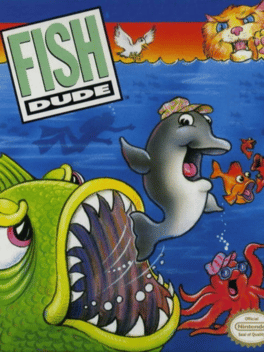
star 4.3Players essentially get to control Fish Dude as he eats as many tiny fish in the ocean to get bigger and stronger. Once he is strong enough, players can successfully defend themselves against larger fish, seagulls that want to grab unsuspecting players out of the water and cats that want to eat players as a tasty snack. A variety of allies (includuing Octo Dude who is an octopus) can help Fish Dude when the problems grow too intense for him to handle alone. With only three lives to lose until achieving a "game over" screen, the game requires cunning and dexterity to master. Levels allow players to scroll of the screen at the extreme ends of the field and come back on the other side of the playing field. There are 18 levels that get more difficult as the other fish get faster and more predators are introduced in an attempt to kill off the players. Each level concludes after 20 fish have been consumed. Passwords are introduced from the third level onwardsTecmo World Cup
1992
Wani Wani World
1992
Wani Wani World
1992
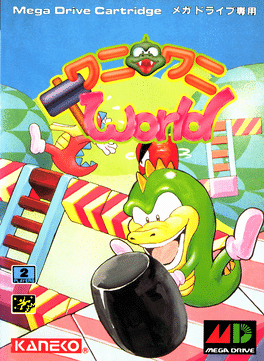
Wani Wani World is a reskinned Berlin no Kabe released by Kaneko in 1992 exclusively on the Sega Mega Drive. Charlie and Smiley, make their way through numerous screens of platforms and ladders filled with enemies. Their only method of attack is to bash a hole in the ground, wait for an enemy to fall into it, and then bash the enemy in the head, which causes the enemy to fall and transform into items and delicious food.Nightshade
1992
Nightshade
1992
star 6.3IT IS MANKIND'S DARKEST DAY! The shadows of doom grow long as the ancient Egyptian villain Sutekh envelops Metro City with a wave of crime. But Sutekh's seedy underworld is about to be infiltrated by a superhero unlike the world has even seen. A superhero who can melt into the darkness like a phantom. By day this brave crimefighter is a common ordinary citizen. But when night falls, he is cloaked in a secret identity to seek out and destroy the dark forces that lurk on midnight streets. Who is this man the press calls Nightshade? Only you can answer that... for he is you. Every night you solidify your superhero status, patrolling one hundred of the city's darkest corners, including King Rat's filthy underground hideout and the League of Unreasonable Gentlemen. Here you'll find thieves, muggers and other alley scum that you must either deal with or destroy for clues. But be warned. You're not the only night stalker. For as you hunt Sutekh, Sutekh hunts you with the human printing press, the closing wall of spikesNHK Taiga Drama Taiheiki
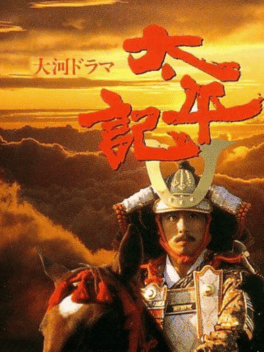
1992
AKA: NHK大河ドラマ 太平記. A samurai era turn-based strategy game based on the NHK TV drama Taiga Taiheiki.Soul Blazer
1992
Soul Blazer
1992
star 7.4Soul Blazer, known in Japan as Soul Blader, is a Super Nintendo Entertainment System action role-playing game developed by Quintet and published by Enix (now Square Enix). Soul Blazer was released on January 31, 1992 in Japan, on November 27, 1992 in North America, and on January 27, 1994 in Europe. Similar to the company's previous game ActRaiser, the player takes the role of a divine angel, deity or lesser-deity, or avatar, sent by a divinity, called The Master, to destroy monsters and release the captured souls of a world's inhabitants. Soul Blazer was scored by Yukihide Takekawa.Mr. Gimmick
1992
Mr. Gimmick
1992
star 8A young girl receives a doll named Yumetarou (ゆめたろー) for a birthday present. She quickly favors the new doll over her previous five toys, who felt abandoned and unloved. While she was sleeping, they suddenly came to life and took her to another dimension. Yumetarou, as the protagonist, must track down his new owner and retrieve her from the toys' world.Arabian Fight
1992
Arabian Fight
1992
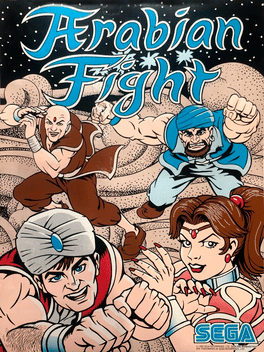
Arabian Fight is a scrolling beat 'em up video game released in arcades by Sega in 1992 (the displayed copyright year is 1991). Running on the Sega System 32 arcade system, the game displays pseudo-3D sprite-scaling graphics and supports cooperative multiplayer for up to four players.Ultraman Club 3: Mata Mata Shiyutsugeki!! Ultra Kyoudai
1992
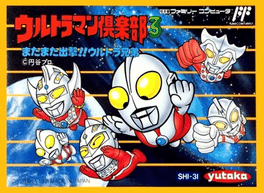
Ultraman Club 3: Mata Mata Shiyutsugeki!! Ultra Kyoudai is a Role-Playing game, published by Yutaka, which was released in Japan in 1991.Ninja Commando
1992
Ninja Commando
1992
Ninja Commando is a vertically scrolling action game released by ADK in 1992. Players choose from among three ninjas - Joe, descended from the Koga ninja; Rayar, a woman who has learned the ways of the Iga ninja; and Ryu, descendant of the famous ninja Fuma Kotaro - as they pursue the merchant of death known as Spider, who plans to use a time machine to bring havoc to the world. The battle spans seven time periods, including the Stone Age, the Egyptian era and the Japanese Civil War era.Northern Crossroads
1992
Northern Crossroads
1992
Northern Crossroads is a free, text-based multiplayer RPG that’s been live since 1992. It’s classic Diku-style hack-and-slash: explore 400+ areas (~40k rooms), fight thousands of mobs, level and gear up, and team with others. No graphics—just depth, challenge, and a loyal community that loves discovery and progression. Play via modern MUD clients or Grapevine; direct connect: ncmud.net:9000.Tenka Fubu Eiyuu-tachi no Houkou
1992
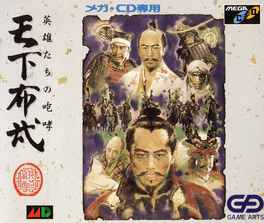
Tenka Fubu: Eiyuutachi no Houkou is a simulation game for the Sega Mega-CD.Romancing SaGa
1992
Romancing SaGa
1992
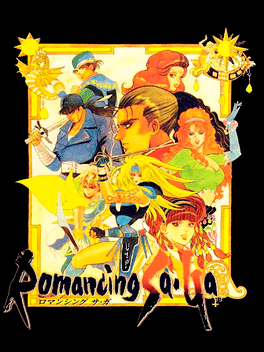
star 6.6A thousand years ago, Saruin was imprisoned. Now the barriers that contain him are weakening, and his foreboding shadow threatens to swallow the world of Mardias once again. Who will rid the world of Saruin's scourge? A mysterious minstrel appears and guides the group to adventure, at times shielding them from adversity. Occasionally, the minstrel forces grave choices upon them, which change their world and twist the plots they encounter. Romancing SaGa reclaims the renowned features of the series and boasts all new elements enhancing gameplay, bringing the player even deeper into the story. The free-roaming scenario system gives gamers a choice of eight intriguing playable characters, each with their own unique adventures and individual goals. Depending on the character and actions chosen, the plot and the subsequent events differentiate dramatically. This free-roaming scenario system promises the ultimate in open-ended adventure.King of the Monsters 2
1992
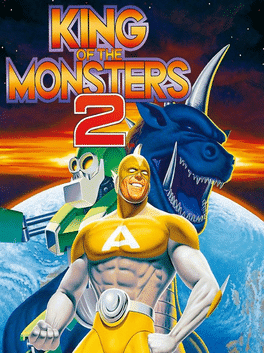
Arcade Neo Geo AES Super Nintendo Entertainment System Wii Sega Mega Drive/Genesis PC (Microsoft Windows) Neo Geo CD Super Famicomstar 7.6Alien super monsters have returned and are trying to invade Earth again! Now, Super Geon, Atomic Guy, and Cyber Woo must fight to retain control of the planet. Each one has special attacks and powers. Take on monsters that have unique abilities never seen before, including fire breath, aerial spins, and radioactive blasts. Challenge a friend, or have him help you out in the two-player option. Battle your way through seven levels of intense action in King of The Monsters 2.