New Games - Page 12531

Paro Wars
1997
Paro Wars
1997
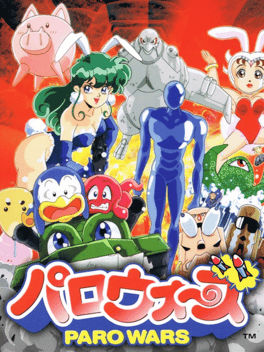
A turn-based strategy game produced by Konami in 1997 in Japan only. It features characters and conflicts based upon the popular Parodius series of video games which in turn is a parody of the long running Gradius series. It is the sixth installment of the Parodius series and is the Parodius equivalent to Cosmic Wars, a turn-based strategy game set in the Gradius universe, or R-Type Tactics, set in the R-Type universe.Itoi Shigesato no Bass Tsuri No.1: Natsu no Zenkoku Tournament
1997
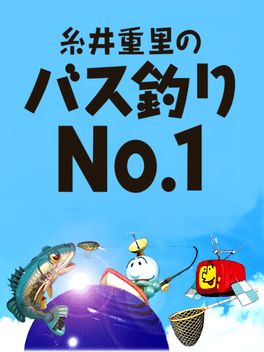
A SoundLink game using "糸井重里のバス釣りNo.1 (Itoi Shigesato no Bass Tsuri No.1)". Only players who own the "Bass Tsuri No.1" game can participate in the event, otherwise the player participates in the garbage-picking-up event. The players compete for total weight of five basses. 100 higher-ranking winners qualify for the final tournament. Shigesato Itoi, bass professional Kawabe, Ogimori Jyunko Hagimori, and Kyoko Koizumi appeared on the event.GoldenEye 007
1997
GoldenEye 007
1997
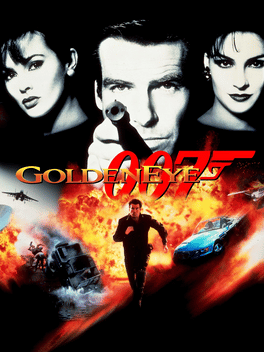
star 8.6GoldenEye 007 is a first-person shooter based on the 1995 James Bond film. The game features a single-player campaign with 20 missions across multiple difficulty levels, emphasizing stealth, varied objectives and mission-based progression. Players can use a range of weapons and gadgets while navigating diverse environments inspired by the movie. The local split-screen multiplayer mode supports up to four players and offers competitive scenarios such as deathmatch, team modes and character selection from the James Bond universe. The multiplayer component became widely recognized for its influence on console FPS design and is considered a landmark feature of the game.Tenrou Toshi
1997
Virus
1997
Virus
1997
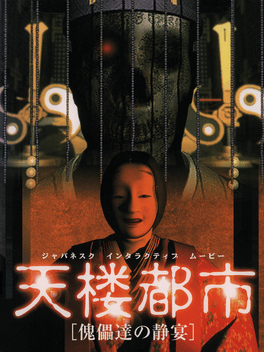
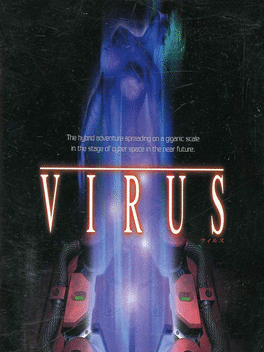
It is the 22nd century. Human beings have long reached outer space and traveled to other planets. But they could not find happiness, and soon their only source of feelings became the "Cyber Net", a virtual world where people could experience simple emotions such as love or hatred. One day, a deadly virus was discovered in the Cyber Net. A special unit called Blue Metal was sent to annihilate the virus. But something went wrong, and the members of the unit were killed. Serge Shadix survived, but his brother Leon never came back. This accident made Serge join a force called STAND (Special Team for Alert to Network Destruction), which specialized in cybernetic crimes. Will Serge be able to solve the mystery and discover the secret of the virus?Dino Breeder
1997
Dino Breeder
1997
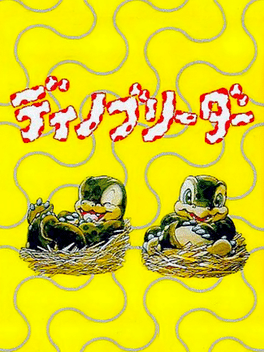
Dino Breeder is a Simulation game, developed by Digital Kids and published by J-Wing, which was released in Japan in 1997.Capcom Sports Club
1997
Capcom Sports Club
1997
Capcom Sports Club is a multi-sport arcade game that includes tennis, soccer, and basketball. Each of the games can be played either solo or against a second player. Smash Stars - A knockout tennis tournament where the player takes control of a tennis player from one of sixteen countries. Each of the players have different strengths/weaknesses in eight different categories. A match only lasts for one set and the set begins at 4-4 and if necessary a tie-break has to be played. Kick Stars - A knockout soccer tournament in which the player can choose between eight different countries. Each team has five players (a keeper and four field players) and a team type. These types/specialties are counter attackers, defense, balanced and offensive. A match is played over a span of two minutes (three in a two player match) and when the tournament is won a bonus match can be played against the Star team. Dunk Stars - A knockout basketball tournament in which the player again has the choice of one of eight different counXCar: Experimental Racing
1997
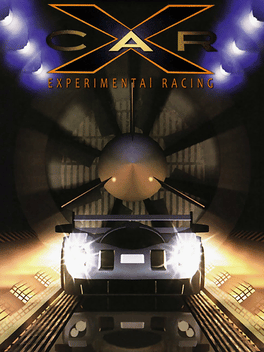
Extreme Machines. Surpassing the limits of traditional auto racing, XCar is unlimited class racing. Bound only by the laws of physics, your XCar prototype is the pinnacle of speed. XCar challenges all racing enthusiasts, and delivers a state-of-the-art adrenaline rush! Are you up to the challenge?Pastel Muse
1997
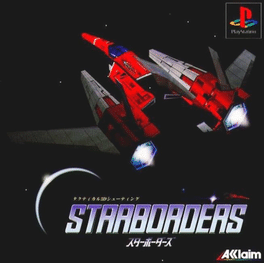
StarBorders
1997
Robo-Pit 2
1997
Robo-Pit 2
1997
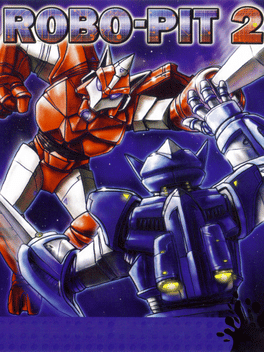
Robo-Pit 2 is, like its predecessor, a fighting game where robots battle it out in an arena. The game starts with the player creating his own robot. The player can use 146 different parts and 72 colours to create a robot of his own taste. The different body parts that can be customized are head, body, arms and legs. Each body part has its own attack and durability ratings that determines how the robot will fare in combat. The battles takes place in the Coliseum. The Coliseum consists of a number of rooms each hosting an enemy robot that the player has to defeat to unlock more rooms. Defeating an enemy can also grant the player new body parts as well as experience and skill points. The player can move around his robot from a third person perspective and launch different attacks such as jabs, straight, hook and upper attacks. With good timing it's also possible to link attacks together. A special attack can be executed when the SP gauge is full. There's also a guard impact command which allows the player to repel thDragon Ball GT: Final Bout
1997
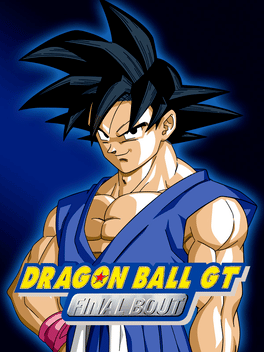
star 5.9After achieving cult hit status around the globe, Dragon Ball GT has finally arrived in the U.S. This polygon rendered fighting game features 10 of the best warriors from the animated television series going head-to-head in a no-holds-barred tournament. Each player has devastating finishing moves, including the infamous "Meteor Smash", which can be countered by an opponent, resulting in some of the most incredible power struggles you'll ever see! There are also 8 playable hidden characters and a practice mode that lets you build up the skills of each fighter. Now, you can find out what gamers around the world already know -- Dragon Ball GT is the ultimate fighting game!Lose Your Marbles
1997
Lose Your Marbles
1997
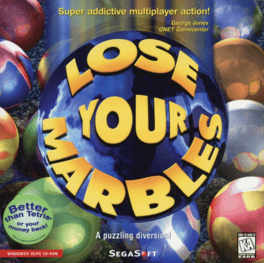
Lose Your Marbles is a puzzle game where the goal is to create matches of colored marbles to fill either the CPU's or another player's board with marbles.Live or Die
1997
Live or Die
1997
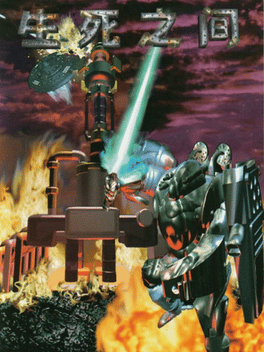
Live or Die is a real-time strategy game about a war battle between good and evil that takes place in the future. Mankind frantically expands into outer space and fights for the scarce energy source (uranium) on which they depend for survival. You, Dr. Whiet, leads a team of miners to land on the desolate planet of Mimas, ready to carry out a mining plan, but they are surprised to find human footprints in a valley. You are not alone. The story begins here.Nebula Fighter
1997
Nebula Fighter
1997
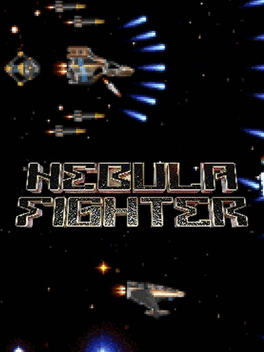
Nebula Fighter is a side-scrolling shoot 'em up with pre-rendered graphics and fast, action-oriented gameplay, developed by Holodream Software and published by One Reality. Set somewhere after the year 2010, Nebula Fighter puts the player into the role of a lone ship pilot who needs to break through the defenses of a space-faring alien race. The twist is that instead of an alien invasion scenario, the humans are actually the aggressors bent on conquering the alien homeworld. Nebula Fighter features a variety of weapons, which can be powered up by picking upgrades during play. Each level ends with a battle against a unique boss. Once a boss is defeated, the player can pick up its weapon to use in the next level.BS F-Zero Grand Prix 2: Dai-2-shuu
1997
The second episode (week) of BS F-Zero Grand Prix 2 (SoundLink Version). This is the SoundLink version of BS F-Zero Grand Prix 2, which is the direct sequel to the original F-Zero game released for the Super Famicom via the Satellaview. Two versions were released - a non-SoundLink game and a SoundLink game. Little is known about this SoundLink version outside of surviving videos, but it was distributed in two halves in August 1997 and had a similar announcer and redone soundtrack as the previous Satellaview entry. At least the first week rearranged a few courses, and replaced two with new locations called "Forest I" and "Forest II". Presuming no areas were repeated, this likely means the SoundLink version had twice as many courses total. In addition, it can be seen that the player cannot choose between Grand Prix and Practice modes in the SoundLink version; as it was a live broadcast, the player is forced to play each course in a timed Practice mode, and then the Grand Prix race.The Bleeding Tower Of Pisa
1997
Another piece of human history has been desecrated by those ruthless Hell-spawned monsters. The Bleeding Tower Of Pisa is an affront to everyone on Earth and they've called you in to set things right. First, you must find a way into the tower. Then clean up the mess, floor by floor.When you've collected the keys, and "taken out the trash," head to the basement for the final showdown. Remember: in the Bleeding Tower Of Pisa, blood will flow. Try not to let it be yours!Living Books: The Cat in the Hat
1997
The Cat in the Hat is an educational game based on the Dr. Seuss book of the same name. It has the same plot of the original book. The Cat sees that Sally and her brother are bored on a rainy day. Eventually, they start having fun, but The Cat realizes he has made a big mess. The Cat uses a big vacuum to clean the whole mess up, and it ends happily ever after. The game lets you click on many things in the background, and has small mini-games during the story. The game also lets you go back to any page you want again.