New Games - Page 11907

Dark Sun: Shattered Lands
1993
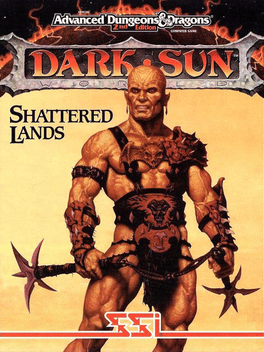
star 6.6Shattered Lands is the first in a series of computer role-playing games based in the highly acclaimed AD&D 2nd Edition DARK SUN game world. You begin the game as a gladiator about to fight in King Tectuktitlay’s Arena in Draj. You must survive that fight, along with many others, and continue onward to escape from the Slave Pens.Computer Underground
1993
Computer Underground
1993
Computer Underground (also known as C.U.) is a game published in 1993 by Haxoft, the theme is cyberpunk / dark sci-fi, puzzle-solving. It features a role-playing (rpg), simulation genre and uses a perspective.Burntime
1993
Bloodstone: An Epic Dwarven Tale
1993
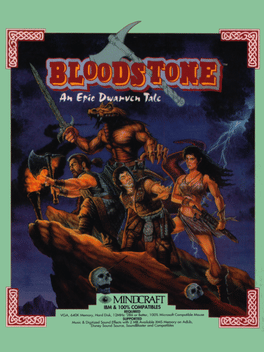
Bloodstone is a 1993 high fantasy role-playing video game developed and published by Mindcraft Software. The game is a prequel to The Magic Candle series and uses the Magic Candle III engine. The game begins with a cut scene of the main character's clan being attacked by the vicious Taldor (default name "Danat" if male, or "Danta" if female). Then you choose three members for your party and the game begins. The Taldor are goblin-like creatures who seem to be cursed with violent bloodlust. The main objective of the game is to retrieve Khamalkhad and join the warring tribes of the North and South. The game employs an interesting pantheon of gods. The player can go to the resting points of the sleeping gods and receive a permanent skill increase by whispering a prayer to them. The game employs creatures like the Tlengle (Lizardfolk), Humans, Dwarves, Talador, Wizards, and Amazons. Magic is done in an odd way; the amount of a specific spell numbers one to ninety-nine. As the player casts a spell they use up one "useWW2 Air Force Commander
1993
Take command of the airforce in this exciting and challenging simulation of air warfare in the Second World War! As commander, you'll have complete control over your side's entire air force, and must plan how to use them to best effect. Decide where to locate each unit, and set up appropriate missions for each one. You'll need to set up defensive patrols to secure the safety of your key sites as well as offensive missions to take out the enemy's strike capability! The Battle of Britain early, in World War II was the first large-scale air war. Continental Europe had fallen to the Nazi Blitzkrieg attacks, and Britain alone remained free and fighting. Without the years of preparation the Germans had, the Royal Air Force had many fewer planes than the Luftwaffe; the outlook was bleak. But with heroic bravery and careful planning, the Spitfires and Hurricanes managed to stave off German bombers for long enough for Britain to survive, and America to join in the fight against tyranny. Now you can recreate this and many3 Point Basketball
1993
2nd Space
1993
2nd Space
1993
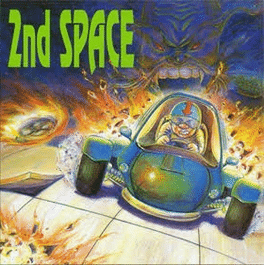
A puzzle game with strongly resembles Pac-Man. In this title, you play as a kind of small car to pass on all the boxes of a fixed screen. When you completely enclose a geometric shape, it turns to show an image fragment. Your objective is to return the entire image pieces without getting hit by the creatures that lurk in the level. These pass through the walls and throw projectiles that you need to ensure dodge them too. Finishing a level, you can admire the sketch as a whole and move to the next stage. Bonus items appear occasionally to freeze your enemies for example. It is also possible to defeat an opponent by turning a piece of image as it passes over.The Amazon Trail
1993
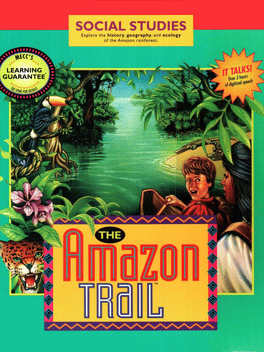
The Amazon Trail
1993
star 4.9Amazon trail is an educational adventure game. You venture back through time to meet the Inca king and deliver him the cinchona plant together with many valuable gifts. The knowledge of the rain forest is the key to successes. Your main goal is to survive the journey and, if possible, bring as many additional gifts to the Inca king.Star Trek: Judgment Rites
1993
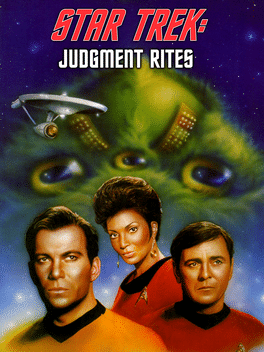
star 8.4Return to command of the USS Enterprise in this classic. True episodic format beams eight original point-and-click missions into your computer. Featuring the cast members and sound effects from Star Trek: The Original Series, Judgment Rites puts you on course for a galaxy of excitement!Voyeur
1993
Voyeur
1993
Like To Watch? You'll get an eye-full as you peer into your neighbors' sordid lives in the wickedly seductive interactive mystery, Voyeur. Political blackmail... murder... seductive intrigue... you'll see it all. But will you only watch - hidden like a true voyeur - or will you step into the drama and try to prevent a murder? Voyeur combines dramatic game play with chilling suspense and erotic undertones guaranteed to keep your excitement level up. Hollywood actors, excellent film quality and an alluring storyline make this a sizzling thriller that will bring our the voyeur in everyone. Come on. We know you want to watch.BloodNet
1993
BloodNet
1993
star 4I met her in her penthouse, expecting payment for the freelance job-and perhaps a little more. But I got more than I bargained for. I'm now part of an exclusive fraternity that moves catlike in the night through a world of high technology and senseless violence.Alone in the Dark 2
1993
Alone in the Dark 2
1993
PC-9800 Series PC (Microsoft Windows) 3DO Interactive Multiplayer Mac DOS FM Towns Sega Saturn PlayStationstar 3Alone in the Dark 2 is the second instalment in the series and a direct sequel to Alone in the Dark. Like its predecessor, the game uses hybrid 2D–3D graphics and requires players to solve numerous puzzles while fighting zombie pirates along the way. Some enemies can be killed using the wide range of weapons at the player’s disposal, while others must be defeated through trickery. In addition to Edward Carnby, the game also includes a short section in which players control young Grace Saunders. Grace cannot fight, and the sections featuring her focus instead on quick reflexes and wits to evade and outsmart enemies.Goblins Quest 3
1993
Goblins Quest 3
1993
star 7It is said that there is a mysterious labyrinth harboring great secrets that might fulfill the wishes of those who discover them. Two countries respectively ruled by Queen Xina and King Bodd have been competing over the right to explore the labyrinth. However, strange events started happening one after the other: the guardian of the labyrinth died, his daughter disappeared, and King Bodd apparently fell under some sort of a curse. A goblin reporter named Blount get caught in the midst of these events as he attempts to interview the queen and the king. As if that weren't enough, Blount also gets bitten by a werewolf and falls in love, and must find a way to deal with both predicaments. Goblins Quest is the third entry in the Gobliiins series. Like its predecessors, it is a puzzle adventure game with the emphasis on solving complex tasks confined to smaller areas rather than on exploration. Most levels occupy more than one screen and allow limited navigation between different areas. As the reduction of the title toPolice Quest: Open Season
1993
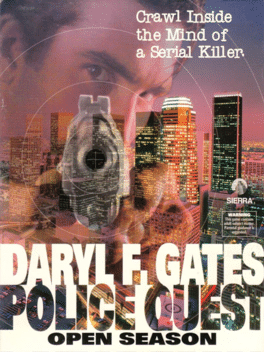
The fourth entry in Sierra On-Line's gritty crime drama adventure game series ... "Crawl Inside the Mind of a Serial Killer"The Legend of Kyrandia 2: The Hand of Fate
1993
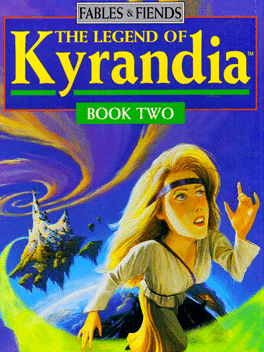
star 7.9The land of Kyrandia is disappearing piece by piece and you are the offbeat, young mystic who must voyage to the center of the world to break the curse and save it. Your surreal journey will twist even the sharpest of minds. Traveling through a vast weirdly beautiful terrain, you must concoct potions, cast spells and lure the help of some very bizarre inhabitants to uncover the secrets that doom Kyrandia. Crafty Kyrandian veterans from the first Fables & Fiends adventure, The Legend of Kyrandia, may recognize their favorite land of giant frogs, talking trees and really strange berries. But this isn't just the same old Kyrandia! Challenging puzzles, new characters, and lots of self-conscious wisecracks from our heroine make Hand of Fate more challenging than it's predecessor.SimCity 2000
1993
SimCity 2000
1993
Super Nintendo Entertainment System PC (Microsoft Windows) Mac DOS Amiga Sega Saturn PlayStation Game Boy Advance Super Famicomstar 7.4It has all the features, flexibility, art, animation, and power you need to create an environment of your dreams. Choose from a selection of bonus cities and scenarios to rule or ruin as you please. Build schools, libraries, hospitals, zoos, prisons, power plants, and much more... Lay down roads, railways, and highways. Explore the underground layer and build subways and utilities without compromising your aesthetics. Customize different buildings or design your own graphics sets from scratch. This is the ultimate classic Maxis city-building and management simulation. If this game were any more realistic, it'd be illegal to turn it off!Yokoyama Mitsuteru Sangokushi II
1993
Yokoyama Mitsuteru Sangokushi II ("Mitsuteru Yokoyama's Romance of the Three Kingdoms II") is a strategy game and the sequel to the original Yokoyama Mitsuteru Sangokushi. Both games were adapted from the eponymous manga artist's graphic novel adaptation of the ancient Chinese novel. Specifically, they were based on an anime adaptation of the manga, released close to the same time.Bishoujo Senshi Sailor Moon R
1993
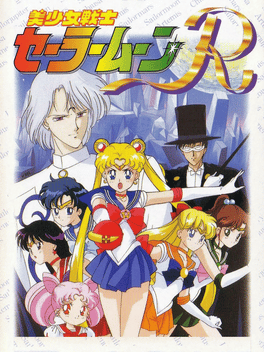
Bishoujo Senshi Sailor Moon R is a video game released for the Super Famicom by Bandai in 1993. It serves as a sequel to Bishoujo Senshi Sailor Moon. Upon starting the game, the player can choose one of 5 characters (2 can be selected for co-op). The game is divided into four levels; each level being divided further into two sub-levels. The player will fight numerous enemies, mostly consisting of default Droids based on their manga incarnations. At the end of each level, a boss must be defeated to proceed. Pressing a special button makes the character use a devastating attack that kills all lesser enemies on screen and causes significant damage to a boss character, although the use of the attack is limited. Bonus items can be picked up from the ground or found in breakable objects, usually in the form of food items that replenishes the life meter to varying degrees. Chibiusa Mode is synonymous with an "Easy Mode". Chibiusa's sprite is too short to be hit by most attacks, and the enemies are also made easier to bMaten no Soumetsu
1993
Maten no Soumetsu
1993
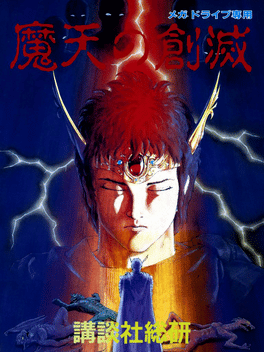
Maten no Soumetsu tells the story of a young boy (you can name him as you like) who was found in the forest by a warrior named Zafan. Zafan takes the boy into his home, where he grows up, unaware of this story. When he reaches the age of sixteen, Zafan dies, attacked by monsters. He sends his adoptive son to visit the king of the country, to follow the way of the warrior - and perhaps to discover his true origins... This is a traditional Japanese RPG set in a medieval environment, with randomly appearing enemies whom you fight in turn-based style, viewing the battle field from first-person perspective. During your journey through the country you'll meet other characters who will join your party. There is a night/day cycle in the game.