New Games - Page 11905

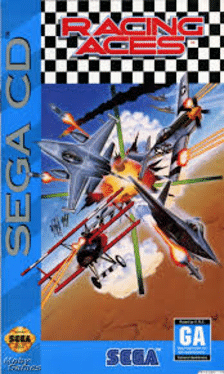
Racing Aces
1993
Racing Aces
1993
Racing Aces puts you behind the stick of World War 1, World War 2, and modern day fighting aircraft. Each competition is a dogfight as much as a race, and you will have to gun down your enemies to win. The tracks are littered with power up balloons to give you extra weapons and speed.Puggsy
1993
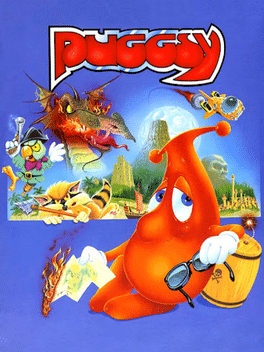
Puggsy
1993
star 7.4Puggsy is no ordinary game. Using the unique system of Total Object Interaction (TOI), you have to guide Puggsy through some of the best puzzles and most frantic arcade action ever seen in his quest to retrieve his stolen spaceship. Incorporating graphic techniques never seen before, fantastic gameplay plus a complete Junior section for the younger player. Puggsy is destined to become the next world-wide smash hit.Prize Fighter
1993
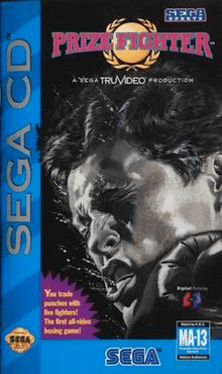
Prize Fighter
1993
Prize Fighter is a FMV boxing game which puts the player in the body of a boxer known as "The Kid" and must face off against four opponents: Honeyboy Fernandez, Mega Joe Falco, Rex Hawkins, and, the ultimate challenge, Nuke "The Duke" Johnson, over the course of two CDs.Iron Helix
1993
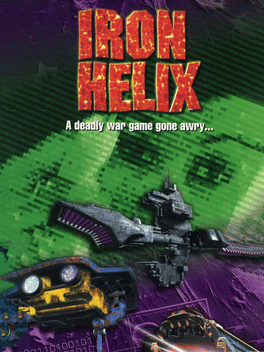
Iron Helix
1993
Set far in the future, the human race is in the middle of a cold war with an alien race called the Thanatosians. During a target practice by an Earth fleet that will destroy an uninhabited planet, the heavy destroyer Jeremiah O'Brien is infected with an unknown virus that mutates the crew. No longer recognized due to the changes in their DNA, the O'Brien's security robot, simply known as "the Ship's Defender", assumes they are invaders and kills them. An apparent technical malfunction has caused the O'Brien's computer to believe that it was in a real life war situation, and select the planet Calliope as a target for destruction. Like all of the human fleet's Cerberus-class destroyers, the O'Brien carries a weapon known as "Iron Helix", which is capable of destroying all life on a planet in a single act. An attack on Calliope, a peaceful Thanatosian planet, would cause the war to go "hot". The player is on board the scientific exploration ship Indiana, and is contacted by the Earth's forces in an attempt to stop thESPN Sunday Night NFL
1993
ESPN Sunday Night NFL was one of the many football games released back in the day. It features all 28 official NFL teams and their respective logos, but doesn't feature a license from the NFLPA, so there are no actual players names in the game. There are four different game modes to choose from: Playoffs, Single Game, Season and another season mode that lets the player act out the 1994 NFL season schedule. It also had variable weather conditions that the players on the field would react to and a battery back-up to save games. It also featured Chris Berman, who not only graced the front cover but also gives commentary as well.Dracula Unleashed
1993
Dracula Unleashed
1993
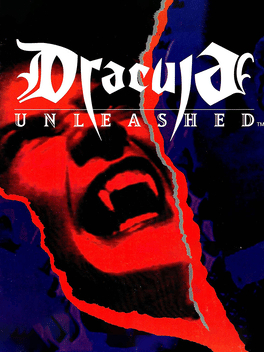
In Dracula Unleashed it is the year 1899, ten years after the destruction of count Dracula chronicled in Bram Stoker's novel. You take the role of Alexander Morris, the younger brother of Texan Quincey Morris who died defeating Dracula. Alexander has come to London to investigate the circumstances of his brother's death, but became sidetracked when he fell in love with and proposed to a local girl named Annisette. Now, the dawn of a new millennium approaches and an evil force is stalking the streets of London, draining victims of their blood and transforming innocent women into bloodthirsty vampiresses. With the aide of your brother's old friends, the survivors of Dracula's evil, you must uncover the identity of this new vampire and prevent him from transforming Annisette into his queen of the night. Do not fail her, or she will personally rip your throat out.Double Switch
1993
Double Switch
1993
Double Switch is a "trap-'em-up" game very similar to Night Trap in gameplay and visual presentation. The player has to manipulate cameras to avoid or set traps, affecting the course of the storyline which is represented by live action movie sequences.Ultimate Soccer
1993
Ultimate Soccer
1993
star 7.4You're on the pitch, ready to kick off. The crowd is going crazy. The season has been long and challenging. You've been up against a lot of teams and come out on top, and today's the day - to prove that you have the skill and determination to become the Ultimate Soccer champion!Barkley: Shut Up and Jam!
1993
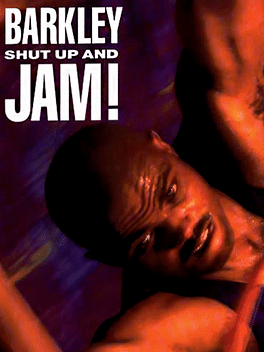
star 5.4In the game you play street basketball two-on-two with your friends or with the computer. So there are no referees, no fouls, and no shot clock, but the teams called by the names of cities such as Phoenix or Chicago. You can choose your player from 16 available players, including Barkley himself.Winter Olympic Games
1993
Winter Olympic Games
1993
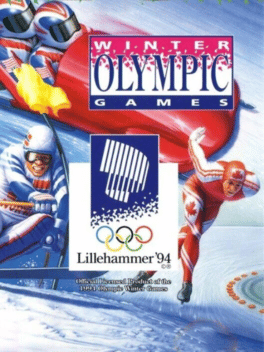
Winter Olympic Games is the officially licensed game for the Winter Olympics tournament of 1994 in Lillehammer, Norway. The European version (Winter Gold) does not feature the license, but is otherwise the same game. The player can compete for one of 20 different nations in 7 different events: downhill skiing, biathlon, ski jumping, bobsleigh, slalom skiing, short track ice skating and freestyle moguls. Each discipline can be practiced on its own before the actual competition. Competition can either be the full set, only the first or last half, only the downhill disciplines, or without the downhill disciplines. Controls and perspectives differ by event: the downhill ski events are shown in isometric perspective. The athlete's course is controlled relative to the screen. He can crouch to accelerate and also put the skis together to brake. Jumps in freestyle and ski jumping are triggered through the buttons. Biathlon is seen from a side-scrolling perspective. The buttons are used to accelerate, taking into accountDaffy Duck in Hollywood
1993
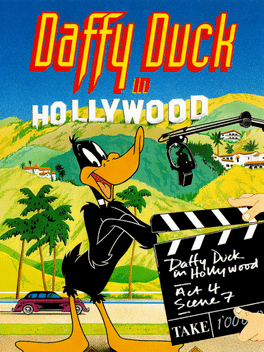
Presenting the world famous Daffy Duck P.I. Armed with your lethal bubble gun, search the Hollywood film sets for Yosemite Sam's Golden Cartoon World Movie Awards and the despicable Mad Professor Duck Brain.Virtual Pinball
1993
Virtual Pinball
1993
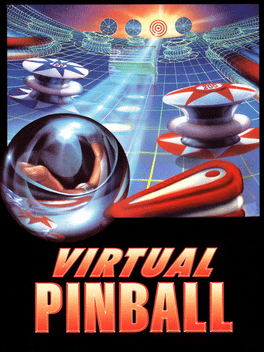
star 5.1Virtual Pinball is the spiritual successor to Bill Budge's classic Pinball Construction Set. Players can choose from either 29 pre-made games or design one using the in-game editor tools. Designing options include ten different backgrounds and six themes. You also get to choose where objects are placed, the style of music, and the ball speed. Up to ten personal games can be saved.Disney's Beauty and the Beast: Roar of the Beast
1993
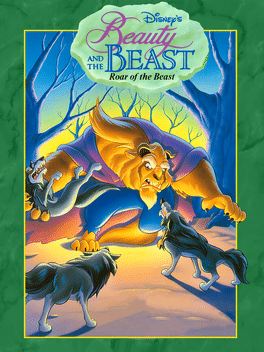
Roar of the Beast is one of two games based on the Beauty and the Beast animated film, the other game being Belle's Quest. This time the player does not control Belle but Beast throughout the entire game. It is not a sequel to the first game, as both games were released in the same year. This title largely retells the story from Beast's perspective. It starts with Beast living in a castle in the dark woods with his servants (Lumiere, Cogsworth and Mrs. Potts). A powerful storm hits the castle and enchants all animals around it. Initially the beast needs to protect the magic rose against the creatures. Soon, Belle and her father Maurice become involved, and eventually the villagers who invade the castle.Madden NFL '94
1993
Madden NFL '94
1993
Full NFL season playoffs and Super Bowl 80 teams Incredibly fast game play John Madden's audio color commentary 5 Player support Customize your audible at any time 'Bluff mode' to hide your plays 72 new offensive plays with play flipping.Chuck Rock II: Son of Chuck
1993
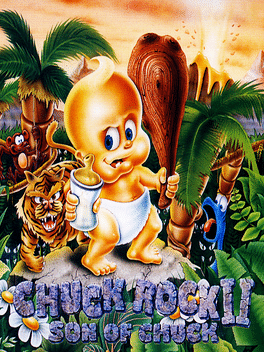
star 6.4Chuck Rock II is a side-scrolling action game featuring the son of the protagonist Chuck Rock as he fights off dinosaurs and tries to help save his parents.DinoPark Tycoon
1993
DinoPark Tycoon
1993
DynoPark tycoon is a Sim Park style game except it contains live dinosaurs. Through the advanced cloning technology, you are able to bring the real dinosaurs back to life, and what is more important, make a lots of money on tourism. The game is pretty similar to other Park management games with an impressive economy model, except it is a little more funny. You must buy an area of land in your park to house a dinosaur, you put fencing around it, so your dinosaur does not escape and then finally, you choose your own dinosaur to place in it. But be really sure not to place two enemies next to each other or even T-Rex next to something tasty, thing can turn up pretty nasty for you or your visitors.Twisted: The Game Show
1993
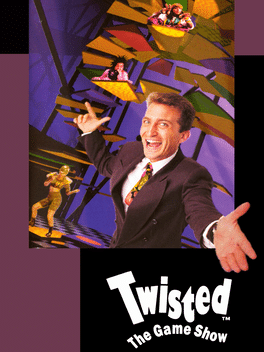
Similar to the You Don't Know Jack series of games, Twisted: The Game Show is a trivia challenge game for up to 4 players. The game offers a humorous mix of live character video and computer graphics. After an introduction by the host Twink Fizzdale, you can select your personality by viewing video clips of the various characters egging you on to select them. You advance or retreat through the game board based on your responses to various puzzles, mini-games and trivia questions.Stellar 7: Draxon's Revenge
1993
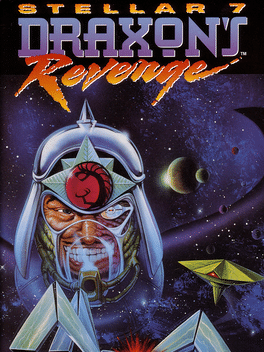
Gir Draxon's back! Two thousand years in the future, mankind fights against an ancient enemy! Gir Draxon, Overlord of the Arcturan Empire, has returned with a mysterious Warplink capable of funnelling his Death Cruisers from distant worlds. You and a prototype heavy assault vehicle, code-named Raven, are all that stand between the Arcturan invasion fleet and the certain destruction of Terran Command! Draxon's Revenge brings 3DO roaring to life! With Draxon's Revenge, the awesome 3DO system engages you in a complete Sci-Fi battle experience! Pilot the Raven through true 3D space. Feel the smoothness of control! Shake to the thunder of her firepower! Battle sweeping attacks of enemies so real... you'll need sunblock to prevent blaster burn!Fatty Bear's FunPack
1993
Fatty Bear's FunPack
1993
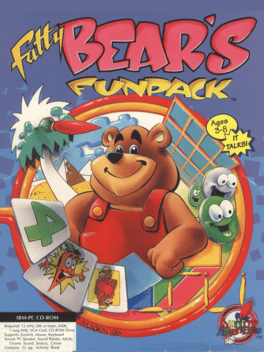
Fatty Bear's Fun Pack was Fatty Bear's final appearance as a solo character, but he still did made a cameo in Putt-Putt Saves The Zoo and was referenced in many games afterward. Activities/games included Reversi, Go Fish, Lines and Boxes, Tangrams, and Coloring, all five of which reappeared in Putt-Putt & Fatty Bear's Activity Pack.