New Games - Page 11860

Lethal Enforcers II: Gun Fighters
1994
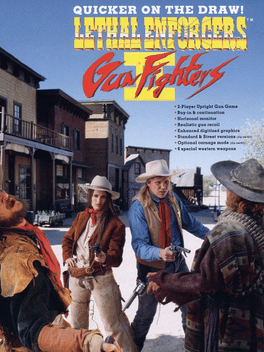
star 7.9Lethal Enforcers II: Gun Fighters is a 1994 arcade and prequel to the original Lethal Enforcers. In contrast with the first game's modern law enforcement theme, Lethal Enforcers II takes place in the American Old West.Beneath a Steel Sky
1994
Beneath a Steel Sky
1994
star 7.6Beneath a Steel Sky is a cyberpunk, point and click, adventure game. You assume the role of Robert Foster and embark on a quest to make the world a better place, along with your robot companion Joey.X-COM: UFO Defense
1994
X-COM: UFO Defense
1994
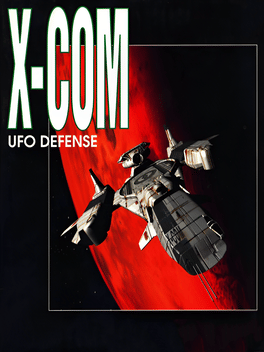
star 8.5X-COM: UFO Defense is a strategy game that combines tactical combat with base management and global defense. Players lead an international organization tasked with defending Earth from an alien invasion. The game unfolds on two levels: a global view where players manage resources, research alien technology, and intercept UFOs, and a tactical combat mode where squad-based battles occur. Players recruit and train soldiers, build bases, and develop new weapons and equipment based on recovered alien technology. Missions involve turn-based combat against aliens in various environments, with permadeath adding tension to each engagement. As the alien threat escalates, players must balance research, defense, and offensive operations to protect Earth's nations from panic and alien infiltration. X-COM: UFO Defense's blend of strategic depth, tactical combat, and atmospheric tension creates a compelling gameplay experience in the face of a global alien threat.WCW Wrestling: The Main Event
1994
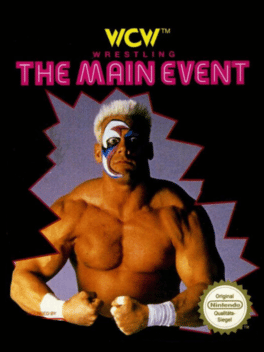
WCW Wrestling: The Main Event is a WCW themed wrestling game exclusive to the original Game Boy.Ishii Hisaichi no Daiseikai
1994
Ishii Hisaichi no Daiseikai (いしいひさいちの大政界) is a simulation game for the Sega Mega-CD. It was only released in Japan.Turn and Burn: No-Fly Zone
1994
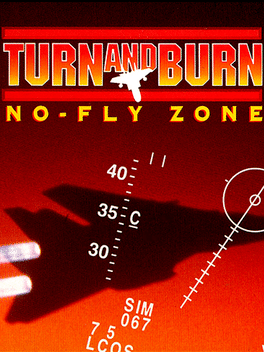
In Turn and Burn: No-Fly Zone the player gets in the cockpit of the famed F-14 Tomcat and launches into a series of sorties on enemy fighters. The game is a simulation with real instruments and gauges and authentic weapons such as Sidewinders, Phoenix missiles and the M61A1 Vulcan Cannon to shoot down enemy fighters scattered throughout the stages. Players also land on their carrier in both daytime and night time missions. The game also features Mode 7 scaling.The Great Battle Gaiden 2: Matsuri da Wasshoi
1994
The Great Battle Gaiden 2: Matsuri da Wasshoi (Matsuri refers to a Japanese festival, at which "wasshoi" is regularly chanted) is an off-beat "gaiden" (side story) game in The Great Battle sub-franchise: the flagship games of the Compati Hero Series. The game is based around an alien invasion during a festival, and the four heroes (Ultraman, Kamen Rider, Knight Gundam from Gundam and Fighter Roar, a character created for The Great Battle series). The game has a mix of genres. The chief gameplay is a platformer where the player can leap up and down floors similar to Ninja-Kid or Mr. Goemon. If the player enters a flying gate, they are escorted to a shoot 'em up stage in which they control a flying lobster fighting samurai heads and Maneki Nekos. The Great Battle Gaiden 2 follows the Game Boy game Tekkyu Fight! The Great Battle Gaiden, released the previous year. Like every The Great Battle game and its Japanese pop culture-specific heroes, the game was never localized into English.Koutetsu no Kishi 2: Sabaku no Rommel Gundan
1994
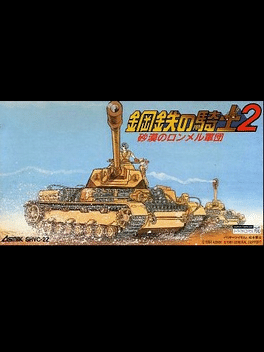
Koutetsu no Kishi 2 is a Strategy game, developed by Dual and published by Asmik Ace Entertainment, Inc, which was released in Japan in 1994.Super Honmei: G1 Seiha
1994
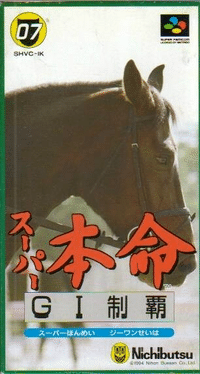
Super Honmei: G1 Seiha is a Sports game, published by Nichibutsu, which was released in Japan in 1994.Final Fantasy I & II
1994
Final Fantasy I & II
1994
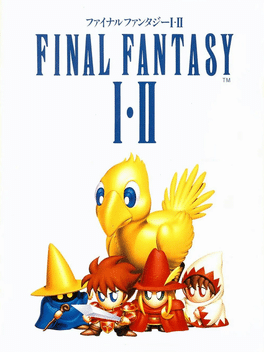
Final Fantasy I & II is a compilation of the first two Final Fantasy games, released in Japan only for the Nintendo Famicom. Both games are almost identical to their original counterpart, although some of the changes from the English release of Final Fantasy were kept. This limited edition box also contains a handbook and maps for both games.Itadaki Street 2: Neon Sign ha Bara Iro ni
1994
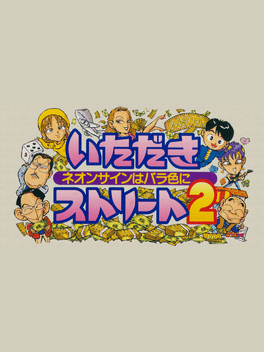
Itadaki Street 2 is the second game in the Itadaki Street series, and the only entry on Super Famicom. It has 14 new boards and 1 returning board, as well as new features such as the casino. This was the first entry published by Enix, and the first to feature elements from the Dragon Quest series.Teenagent
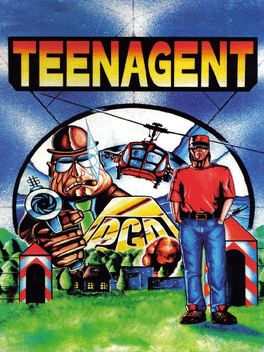
1994
Ramos Ruy no World Wide Soccer
1994
A Japanese version of Tony Meola's Sidekicks Soccer, but with a different player endorsement.Shin Megami Tensei
1994
Shin Megami Tensei
1994
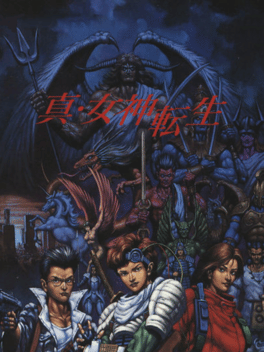
Shin Megami Tensei is a port of the original Super Famicom game. This port adds a new intro, new demons, enhanced graphics, and some presentation tweaks. The gameplay uses first-person navigation of dungeons and turn-based battles against demons. The player can recruit demons as allies by talking to them rather than fighting them, and two to three demons can be fused to create new demons.Cyborg 009
1994
Jurassic Boy
1994
Jurassic Boy
1994
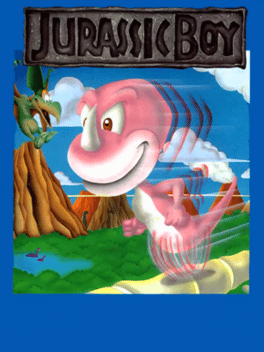
Sachen's infamous dinosaur platformer. Oddly titled "Jurassic Boy 2" on the title screen of the NES version, as well as the box and title screen of the Game Boy Color version.Sutobasu Yarou Shou
1994
Sutobasu Yarou Shou
1994
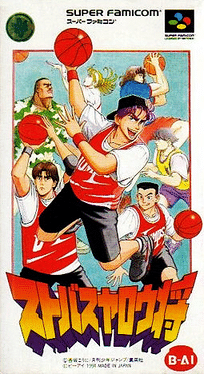
Sutobasu Yarou Shou is a Sports game, developed by Kid and published by B.I., which was released in Japan in 1994.Uchuu Race: Astro Go! Go!
1994
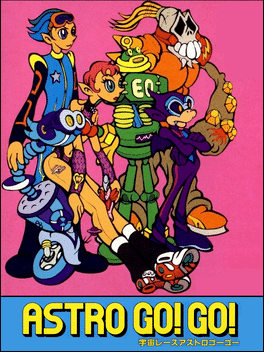
Uchuu Race: Astro Go! Go! is a Racing game, developed by KAZe and published by Meldac, which was released in Japan in 1994.Sougou Kakutougi: Astral Bout 2 - The Total Fighters
1994
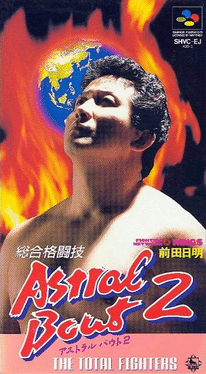
Sougou Kakutougi: Astral Bout 2: The Total Fighters is the sequel to Sougou Kakutougi: Astral Bout and like that game features various martial arts experts competing, not unlike MMA. The game is based on a real-life Japanese martial arts TV promotion, Fighting Network Rings. The eight characters represent different martial arts, including wrestling, karate, boxing, Muay Thai and others.