New Family Computer Games - Page 28

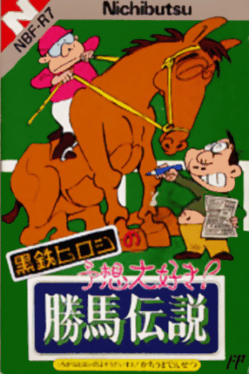
Kurogane Hiroshi no Yosou Daisuki! Kachiuma Densetsu
1990
Kurogane Hiroshi no Yosou Daisuki! Kachiuma Densetsu is a Sports game, developed by Make and published by Nihon Bussan, which was released in Japan in 1990.Power Blazer
1990
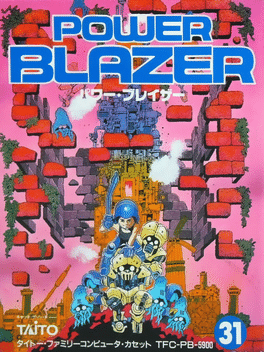
Power Blazer
1990
The player takes control of Steve Treiber, a highly trained soldier on a lone mission behind enemy lines. He is the only one capable of taking Brain Master offline and to save the world. Our young hero is armed with a powerful combat-boomerang called the 'Power Blazer'. The game was later westernized as Power Blade.SD Battle Oozumou: Heisei Hero Basho
1990
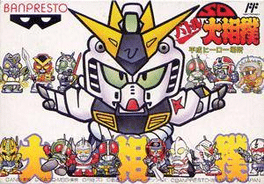
SD Battle Oozumou: Heisei Hero Basho is a sumo wrestling game starring characters from Gundam, Kamen Rider, and Ultraman.Castle Quest
1990
Castle Quest
1990
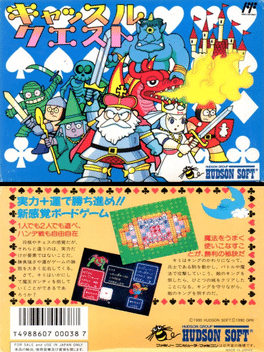
star 6.6Castle Quest is board strategy game mixed with magic battle confrontations. The game is like a chess clone with fantasy creatures that fight with playing cards. The player's goal is to topple the opponents king. A player controls a small army (with units like orcman, karate man, warrior etc) on a small chess board. If two pieces meet on the same square, they fight on special screen with a playing-card roulette. Depending on the cards that each unit gets they will do damage to an opponent. Different units have different health points and also different cards, for example, some units have more propensity to getting the instantly killing joker card. Some units are able to cast attack or defense spells. When these pieces move to an empty square on the map a spell window will open. Each spell can either damage surrounding squares or heal/revive surrounding units.GunHed: Aratanaru Tatakai
1990
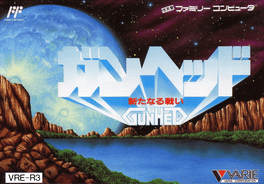
GunHed: Aratanaru Tatakai is a 1990 strategy game for up to four players. It is the second game based on the 1989 sci-fi movie GunHed, the first being Blazing Lazers for the TurboGrafx-16. Aratanaru Tatakai is closer to the movie: the players re-activate GUNHED mech units to defeat the supercomputer Kyron-5 and its enforcer Aerobot. Each player chooses where on 8JO, the island base of Kyron-5, to deploy their GUNHED models, and then fights opponents in real-time combat while collecting robot pieces along the way to build stronger robotic armies. The game culminates with a fight against the powerful Aerobot.Ultraman Club 2: Kaette Kita Ultraman Club
1990
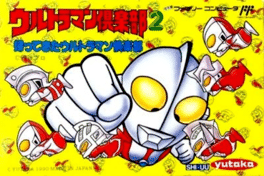
Ultraman Club 2: Kaette Kita Ultraman Club is a Role-Playing game, developed by Interlink and published by Bandai, which was released in Japan in 1990.Mouryou Senki Madara
1990
Mouryou Senki Madara
1990
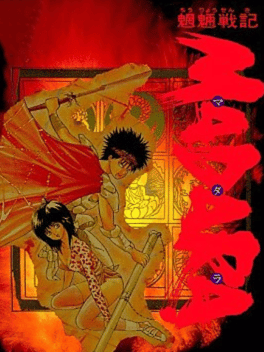
Mouryou Senki Madara is a Role-Playing game, developed and published by Konami, which was released in Japan in 1990.Power Soccer
1990
Power Soccer
1990
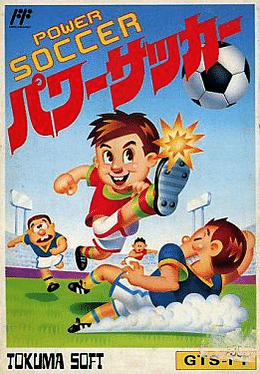
Power Soccer is a Sports game, developed by Kitty Group and published by Tokuma Shoten, which was released in Japan in 1990.Sansara Naga
1990
Sansara Naga
1990
Sansara Naga is a role-playing video game that was published by Victor Music Entertainment exclusively to Japan for the Family Computer on the 23rd of March, 1990. A fan-translation was finished and released in 2013 on the 28th of December for Sansara Naga by the hacking and translation group Stardust Crusaders. Sansara Naga is set in the fantasy-filled lands of India during the Vedic age and also mixes elements of Japanese folklore such as the legend of Brahman Umibouzu ("sea bonze"). Many of the NPCs in game will tell you that Cows are sacred animals and a few will mention the Tower of Ṛta Satya. There is a set of armor in the game called Dharma Armor, which will prevent the player from dealing or being dealt damage. The story revolves around a Boy/Girl that steals a treasured Ostrich egg from the village of Orissa and decides to reflect upon one's actions; aspiring to become a Dragoon to restore their lost honor. The protagonist will set out on an adventure saving lives, performing good deeds, and raising aIsaki Shuugorou no Keiba Hisshou Gaku
1990
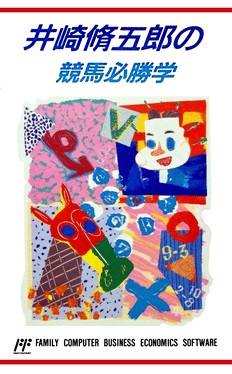
Isaki Shuugorou no Keiba Hisshou Gaku is a Sports game, developed by C-Lab and published by Imagineer, which was released in Japan in 1990.Quarth
1990
Digital Devil Story: Megami Tensei II
1990
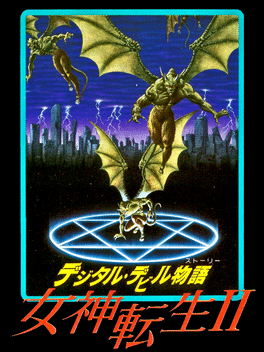
star 7.9Digital Devil Story: Megami Tensei II is the sequel to Digital Devil Story: Megami Tensei. It was published by Namco in 1990 for the Family Computer and is the second video game in the Megami Tensei series. This is the first game in the series to not be based on the original novels by Aya Nishitani, but it retains much of the gameplay aspects of its predecessor. The music in the game is enhanced by an eight-channel Namco 163 WSG sound chip on the cartridge.Deep Dungeon IV: Kuro no Youjutsushi
1990
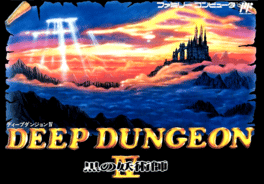
Deep Dungeon IV: Kuro no Youjutsushi is the fourth and final installment in the Deep Dungeon series. Unfortunately this game has removed the custom character feature of the previous game. Through the game, the player will meet up to two additional playable characters with predetermined class. This game also reverts to the standard practice or randomizing characters' stat growth when gaining an experience level. New to this engine is that the player can eventually learn to summon two monsters to function as a temporary additional party member for a single battle. It also removed the feature that stops random battles when the player is significantly more powerful than the enemies. This isn't as bad as it seems as the maps in this game are also much smaller (whereas the previous games used multi-floor dungeons up to 32x32 tiles, the dungeons in this game are either single floor, or multiple floors that can fit within a single 32x32 map) In this game, the player can accept "requests" from the non-player characters. ThPresident no Sentaku
1990
President no Sentaku
1990
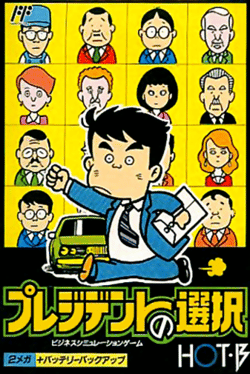
President no Sentaku is a Strategy game, developed by Another and published by Hot-B, which was released in Japan in 1990.Architect
1990
Architect
1990
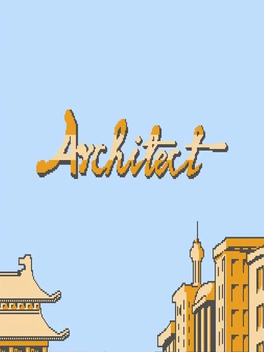
Architect is an unlicensed software utility released, apparently, for or with the Dr. PC Jr. (a Chinese Famicom clone system). The game plays like a drawing tool using pre-created bits of architecture. The building most commonly shown is a Chinese or Japanese-like pagoda or temple.Facemaker
1990
Facemaker
1990
Facemaker is a bootleg game was part of the software for a Chinese computer based on the Famicom called The Doctor PC Jr.The Best Play Baseball II
1990
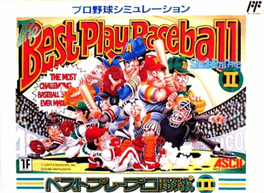
Best Play Pro Yakyuu II is a Sports game, developed and published by ASCII Entertainment, which was released in Japan in 1990.Akuma-kun: Makai no Wana
1990
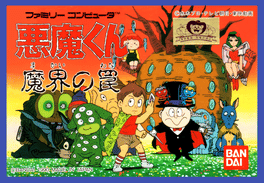
Akuma-kun: Makai no Wana is a Role-Playing game, developed by TOSE and published by Bandai, which was released in Japan in 1990.Mashin Eiyuuden Wataru Gaiden
1990
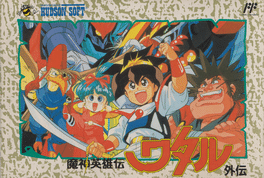
A Japanese RPG based off the long running anime television series, "Mashin Hero Wataru."Kiteretsu Daihyakka
1990
Kiteretsu Daihyakka
1990
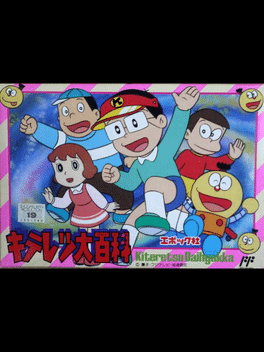
Kiteretsu Daihyakka is an Action game, published by Epoch, which was released in Japan in 1990.