Most Popular Super Famicom Games - Page 8

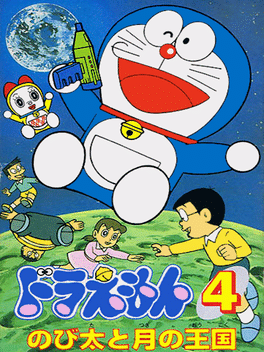
Doraemon 4: Nobita to Tsuki no Oukoku
1995
The fourth and final Doraemon platformer for the Super Famicom. Doraemon is a blue cat robot who came from the future to protect a Japanese boy named Nobita. Nobita always gets himself in all kinds of troubles, so his grandson in the future decided to help In this game, Doraemon and friends decide to visit the moon.Ganbare Goemon: Kira-kira Douchuu - Boku ga Dancer ni Natta Wake
1995
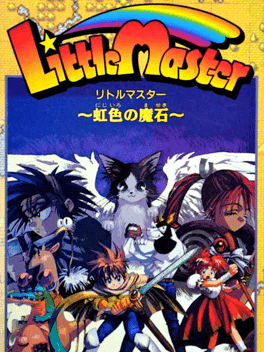
Fourth title in the Ganbare Goemon series of platform/adventure games which cast you as the heroic Goemon and his gang of wacky adventurers as he fights evil all over Japan. This sequel however, takes the action to outer space as the gang attempts to rescue Goemon Impact (Goemon's giant mecha) from a strange planet. The game is based around a stage-select hub from which you select which character you want to play as and then attempt to clear the game's many side scrolling stages in standard action platformer fashion, navigating the obstacles and defeating all enemies you run into with your weapons. Since each one of Goemon's allies got stranded on a different planet, you must take control of each one of them in order to clear the stages and recover the special ability unique to each character that must be later put to use to release Goemon Impact. As in other games of the series there are also loads of mini-games and unique gameplay sequences triggered in boss fights, bonus stages and special situations. These invLittle Master: Niji-iro no Maseki
1995
Turn-based strategy RPG developed by Tokuma Shoten in 1995. It is the third and final game in the Little Master trilogy.Kamen Rider
1993
Kamen Rider
1993
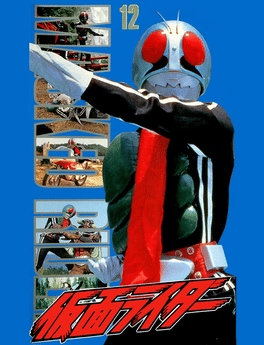
Kamen Rider is a beat 'em up developed by Sun L and published by Bandai for the Super Famicom platform. It is based on the Kamen Rider tokusatsu TV show, specifically the very first incarnation which ran between 1971-1973. The player assumes the role of Takeshi Hongo, the first Kamen Rider, as he fights through the minions and kaijin (human-sized kaiju) of the evil organization Shocker in a series of brawler stages not unlike Final Fight or Double Dragon. The game can also be played co-operatively with a second player who plays as Hayato Ichimoto: the second Kamen Rider. At any time the two players can transform into their Kamen Rider personas, necessary for delivering the final blows on bosses. Kamen Rider was only released on the Super Famicom in Japan.Ranma ½: Chounai Gekitou-hen
1992
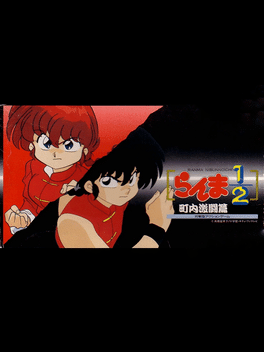
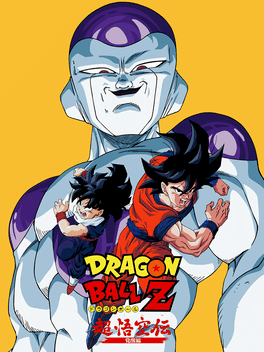
This game is a 2D fighting game and was the first ever Ranma ½ game released.Dragon Ball Z: Super Goku-den - Kakusei-hen
1995
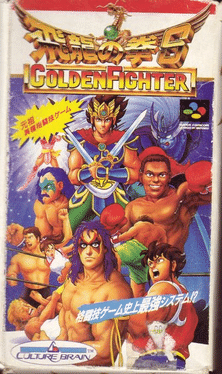
Dragon Ball Z: Super Goku-den: Kakusei-hen is the second and last video game of the Super Goku-den series. It was released only in Japan on September 22, 1995, for the Super Nintendo.Hiryuu no Ken S: Golden Fighter
1992
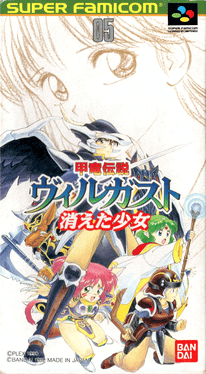
A brawler and fighting game and the first Super Famicom game of the Hiryu no Ken (Flying Dragon) series from Culture Brain. It was followed by an updated version which would later be released in the US as Ultimate Fighter.Kouryuu Densetsu Villgust: Kieta Shoujo
1992
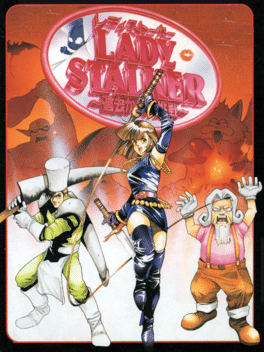
A fantasy RPG for the Super Famicom. Notable for allowing up to five party members in combat and breaks the usual 9999 limit for health. Never released outside of Japan, but fan translations exist.Lady Stalker: Kako kara no Chousen
1995
An isometric RPG, Lady Stalker was the sequel to the more adventure game focused LandStalker.Kidou Senshi Gundam: Cross Dimension 0079
1995
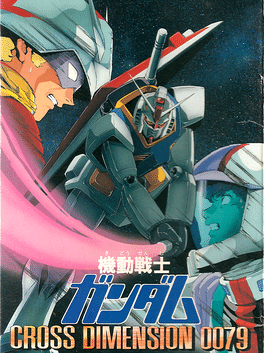
An isometric strategy game published by Bandai in 1995, it depicts events from the early Mobile Suit Gundam fiction from the perspective of Amuro Ray before switching to a secondary set of characters midway through.Kidou Senshi Gundam F91: Formula Senki 0122
1991
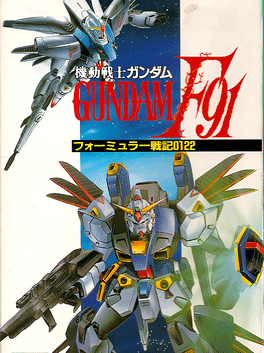
A sci-fi strategy game based in the Gundam universe that was published by Bandai in 1991 for the Super Famicom.Kishin Douji Zenki: Battle Raiden
1995
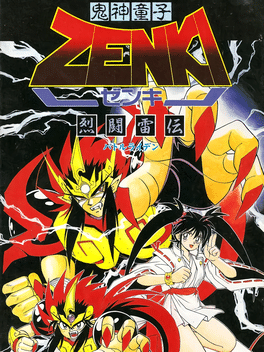
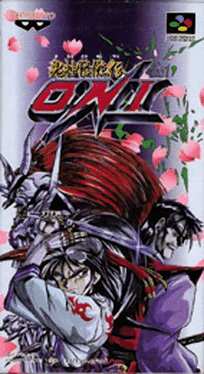
An action game published by Hudson in 1995, based on the popular manga series Kishin Douji Zenki of the early to mid 90s.Onigami Korinden Oni
1994
Onigami Korinden Oni
1994
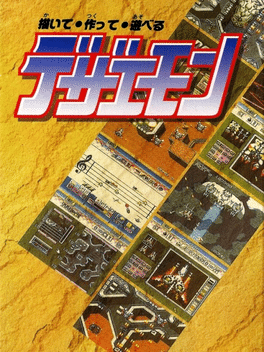
The first Super Famicom game (and the fifth game overall) in an RPG series based on Japanese mythology.Kaite Tsukutte Asoberu: Dezaemon
1994
A vertical-scrolling shoot 'em up and game creation engine, released for the Super Famicom in 1994. It is the first in Athena's series of shoot 'em up creators and features a sequel of their 1983 Arcade shoot 'em up Daioh as a sample game.The Monopoly Game 2
1995
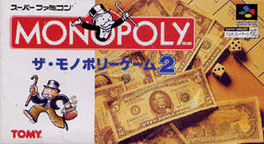
The Monopoly Game 2
1995
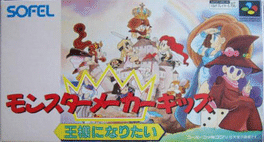
A sequel to Tomcat/Tomy's Monopoly for the Super Famicom. The game once again has a hub area that the player can walk around and get into Monopoly games.Monster Maker Kids: Ou-sama ni Naritai
1994
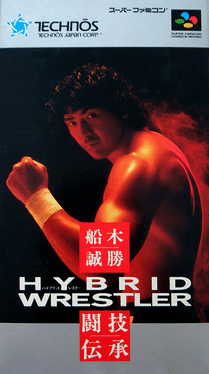
Board game adaptation of the long-running monster-raising video and table-top game franchise that plays similarly to Dokapon Kingdom. It was created by Sofel in 1994.Funaki Masakatsu: Hybrid Wrestler
1994
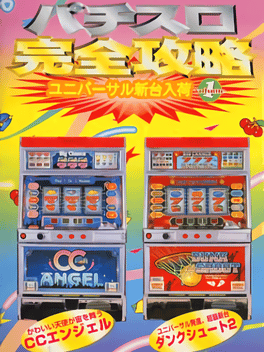
A Pancrase-themed MMA/wrestling game, published by Technos Japan, which was released in Japan in 1994.Pachi-Slot Kanzen Kouryaku: Universal Shindai Nyuuka Volume 1
1997
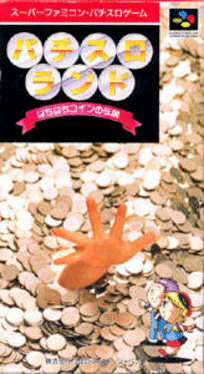
A pachi-slots game that draws from Universal Entertainment's product line. Like many pachinko/pachi-slots games, its chief role is to help gamblers practice for the real deal.Pachi-Slot Land: Pachi Pachi Coin no Densetsu
A Super Famicom pachi-slot game developed in 1994.