New Super Famicom Games - Page 37

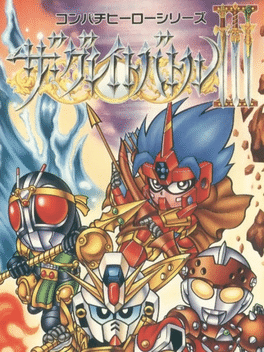
The Great Battle III
1993
The Great Battle III
1993
The Great Battle III is a scrolling brawler featuring the F91 Gundam, Kamen Rider, Ultraman and the Great Battle series's original character Fighter Roar. The game is set in a fantasy world and the characters all use medieval weaponry in battle. The game is the third in the series of Great Battle brawler/shooter games, and the seventh Compati Hero Series game for the Super Famicom (of seventeen).The Shinri Game: Akuma no Kokoroji
1993
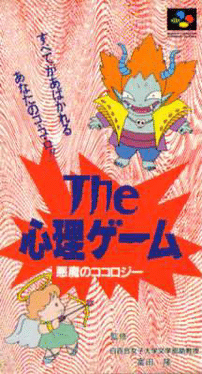
A quiz game focused around psychology and personality questions. It is the first in a series of "The Shinri Games", most of which came out on the Sony PlayStation.Ultra Seven
1993
Ultra Seven
1993
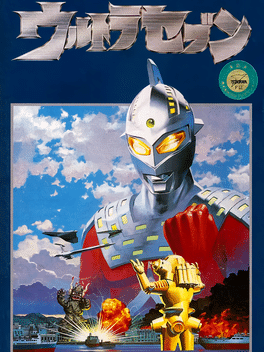
Ultra Seven is a 2D one-on-one fighting game that uses characters from the tokusatsu TV show of the same name. The Ultra Seven series is based on the original Ultraman TV show, but updated for a modern audience with a different protagonist who hails from the same planet as Ultraman. Ultra Seven features a single-player story mode in which the player can sometimes choose which of Ultra Seven's capsule monsters (Agira, Micras or Windom) to fight as, and a versus mode in which two players can duke it out.Tsuppari Oozumou: Risshin Shusse-hen
1993
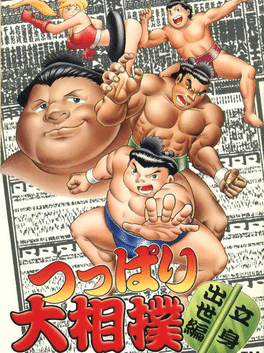
Tsuppari Oozumou: Risshin Shusse-hen is a Sports game, developed and published by Tecmo, which was released in Japan in 1993.Super Wagyan Land 2
1993
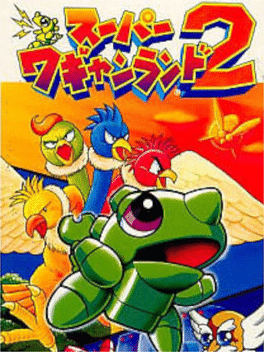
Super Wagyan Land 2
1993
Super Wagyan Land 2 is an Action game, developed by Nova Games Ltd. and published by Namco, which was released in Japan in 1993.Jungle Wars 2: Kodai Mahou Atimos no Nazo
1993
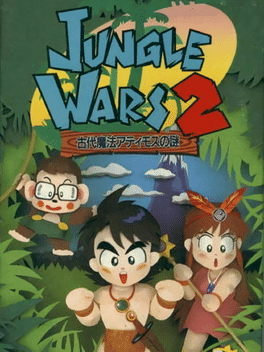
Jungle Wars 2 is a Role-Playing game, developed by Atelier Double and published by Pony Canyon, which was released in Japan in 1993.Koutetsu no Kishi
1993
Koutetsu no Kishi
1993
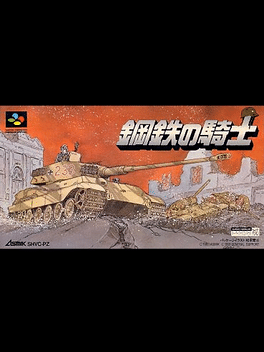
Koutetsu no Kishi is a Strategy game, developed by Dual and published by Asmik Ace Entertainment, Inc, which was released in Japan in 1993.Wally wo Sagase! Ehon no Kuni no Daibouken!
1993
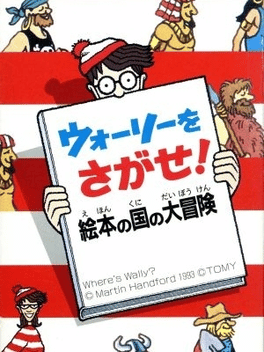
Wally wo Sagase! Ehon no Kuni no Daibouken! is a Puzzle game, developed by Natsu System and published by Tomy Corporation, which was released in Japan in 1993.Super Famista 2
1993
Super Famista 2
1993
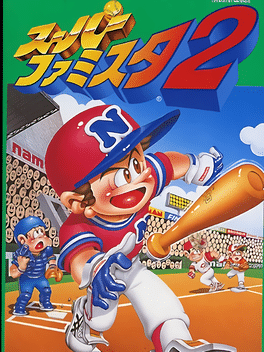
Super Famista 2 is a Sports game, published by Namco, which was released in Japan in 1993.JoJo no Kimyou na Bouken
1993
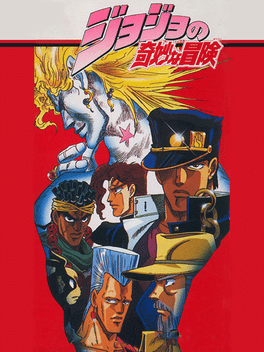
The first JoJo-centric game released, it was never localized outside Japan. Production was done under Shinji Hashimoto. The game features some notable alterations to the story of Stardust Crusaders. The player controls the protagonists of Stardust Crusaders in a combination of Point and click adventure and classic third-person RPG. It is sometimes also referred to as a side-scrolling RPG.Monopoly
1993
Monopoly
1993
Monopoly is a Miscellaneous game, developed and published by Tomy Corporation, which was released in Japan in 1993.Namcot Open
1993
Namcot Open
1993
Namco Open is a Sports game, developed by TOSE and published by Namco, which was released in Japan in 1993.Xak: The Art of Visual Stage
1993
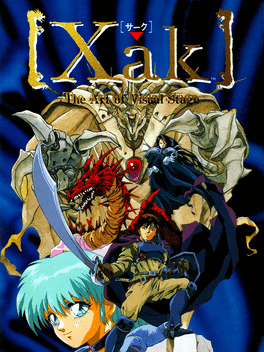
The Super Famicom remake of Xak: The Art of Visual Stage reworks the classic RPG for Super Famicom, replacing the original’s bump-based battles with a new sword-swinging combat system. The player assumes the role of Latok Kart, a blue-haired swordsman and the son of the legendary warrior Dork Kart. He is sent on a quest to defeat the warmongering demons led by the powerful Badu that are running rampant in the eponymous world of the humans, Xak.Leading Company
1993
Leading Company
1993
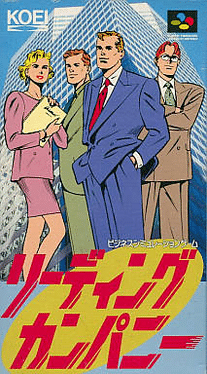
The traditional definition of a leading company is a corporation that currently dominates the "corporate wars" against their competitors. Its employees are considered by most people to be winning the "rat race." The game challenges young people to create their own business empire by researching and marketing better VHS machines for the Japanese consumers. The player is introduced to jazzy instrumental song being played in the background while neon pictures of various people fly across the screen. As of 2011, there has been no attempt to produce an English language version for this game either through official channels or through unofficial emulator translator groups. This game is considered to be in Japanese for the full duration of the game, making literacy skills in Japanese mandatory. Only the brand names themselves use ASCII letters; all other words use the Japanese alphabet. There are only two time periods in the game and jazz music plays throughout the entire game.Oda Nobunaga: Haou no Gundan
1993
Oda Nobunaga: Haou no Gundan is a Strategy game, developed by TOSE and published by Angel (Bandai), which was released in Japan in 1993.F-1 Grand Prix Part II
1993
F-1 Grand Prix Part II is a Racing game, developed and published by Video System, which was released in Japan in 1993.Doraemon: Nobita to Yousei no Kuni
1993
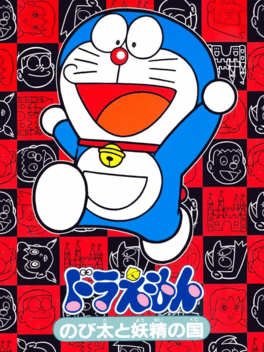
Doraemon: Nobita to Yousei no Kuni is an Action game, developed by SAS Sakata and published by Epoch, which was released in Japan in 1993.Kikuni Masahiko no Jantoushi Dora-ou
1993
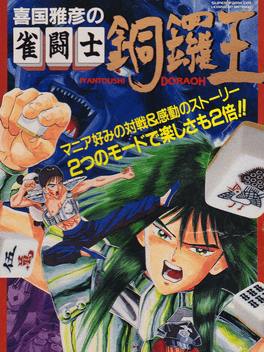
Kikuni Masahiko no Jantoushi Dora-ou is a mahjong game for the Super Famicom. It features a wide variety of strange and ridiculous characters and is largely comical in nature. It follows typical Japanese mahjong rules, although there are a few exceptions. Many characters are also capable of performing special attacks when their "cosmo" meter is full; these attacks can have many different incarnations, from simply beating the opponent unconscious for a win (surprisingly ineffective) to instantly getting a ron. The game also features a password feature which allows players to save their progress.GeGeGe no Kitaro: Fukkatsu! Tenma Daiou
1993
An action platformer for the Super Famicom based on the Gegege no Kitarou anime and manga. The player, as Kitarou, must defeat the all-powerful Demon King Tenma before he can resurrect.Shinchou Kouki
1993
Shinchou Kouki
1993
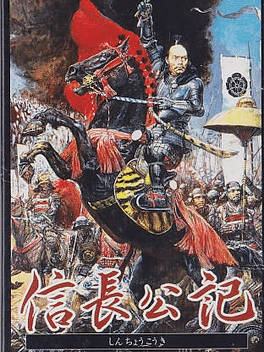
Shinchou Kouki is a Strategy game, published by Yanoman, which was released in Japan in 1993.