New Dos Games - Page 46

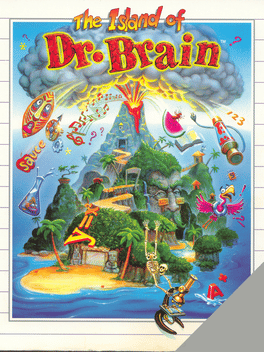
The Island of Dr. Brain
1992
star 7The Island of Dr. Brain is the second game in the Dr. Brain series by Sierra On-Line. It was released in 1992 and was only available for IBM PC compatibles. Like the first game in the Dr. Brain series, Castle of Dr. Brain, Island is an educational puzzle adventure game.Cobra Mission
1992
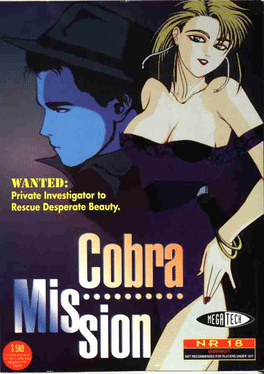
Cobra Mission
1992
Cobra Mission: Panic in Cobra City is an MS-DOS computer game published in 1992 in North America by the now defunct company Megatech Software. This was the first hentai game released in English and proved to be very popular.Bob's Dragon Hunt
1992
AntKill
1992
18th Airborne
1992
Ragnarok
1992
Ragnarok
1992
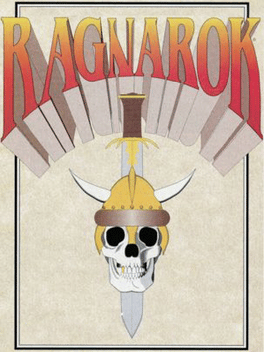
Ragnarok (released in Europe as Valhalla) is a freeware Roguelike video game for MS-DOS, developed by Norsehelm Productions (Thomas F. Boyd and Rob Vawter) from 1992 to 1995Trevor Sorensen's Star Legions
1992
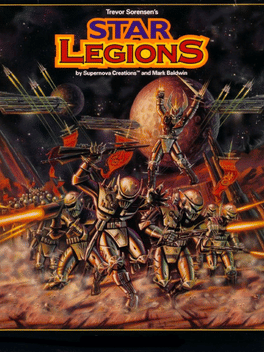
Star Legions is the third installment in the Star Fleet gaming universe. Star Legions is much narrower in focus than its predecessors, though; you are charged with managing the planetary invasion forces of the Krellan Empire against the "evil" (good?) United Galactic Alliance. The result is a bit like playing Empire in a sci-fi environment. Success in the initial invasions means promotions, personal honors, and even greater armies to command in future campaigns.Links 386 Pro
1992
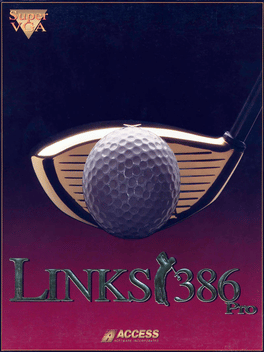
Links 386 Pro
1992
The follow up to Links - The Challenge of Golf, Links 386 Pro features Harbour Town Golf Links course. Numerous improvements included photo-realistic SVGA graphics, improved physics, split screens, male/female golfers with different shirt colors, and enhanced sound effects.OverKill
1992
OverKill
1992
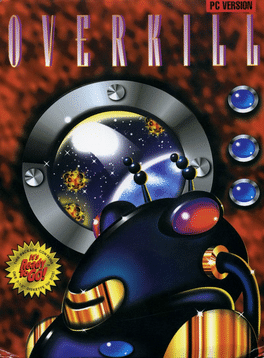
Overkill is a vertical scrolling shooter that was released by Epic Games and Precision Software Publishing in 1992. The game was designed and developed by Tech-Noir Productions and Ste Cork. Overkill was Epic's first vertical shooter. The game was lacking some of the technology that other top shareware games of the time had, such as Jill of the Jungle, ID Software's Commander Keen, and Apogee's Duke Nukem. It boasted EGA graphics, PC speaker sound effects, support for a joystick, and a General MIDI musical track. While the game did sell a considerable amount of copies, it was quickly overshadowed by later vertical shooters such as Raptor: Call of the Shadows, Major Stryker, and Tyrian. There are two versions of the game, the shareware version, and the commercial version. The shareware version allows the user to play planets one and two, while the commercial version grants access to all six planets. As of July 23, 2008 the game is available as freeware.Animal Quest
1992
Animal Quest
1992
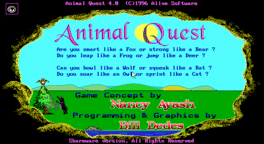
Animal Quest is an educational game for all ages where you play as an animal. The game is played on a grid field, on which other animals, hunters, and other obstacles are randomly placed. The player's goal is to catch its prey (other animals or plants) while avoiding not getting eaten or killed. Each animal has its own difficulty level; a prey animal has a harder time than a lion. The game features detailed information about the animals.Catacomb Abyss 3D
1992
Catacomb Abyss 3D
1992
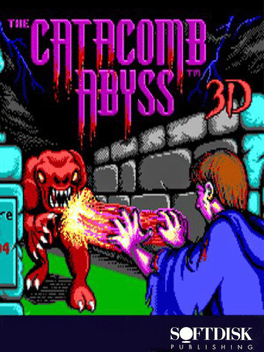
The Catacomb Abyss is the 1992 sequel to Catacomb 3-D. It is the first part in a trilogy.Tennis Cup II
1992
Tennis Cup II
1992
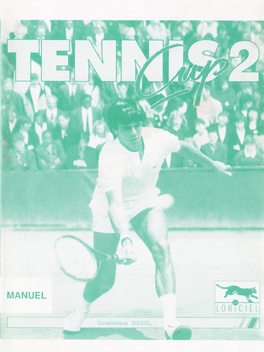
This tennis simulation recreates all the rules of the sport, from tie-breaks to break points. The action is viewed from behind one of the players, also featuring a split-screen option. You can play singles and doubles matches over 1,3 or 5 sets. There are 4 different types of court - grass, quick, hard and clay. You can play single matches, practice using a ball machine which fires a succession of shots at you, or play a season made up of major tournaments such as the Grand Slam events, the Masters and the ATP Cup. Player abilities can be adjusted to suit different styles of play.Wayne Gretzky Hockey 3
1992
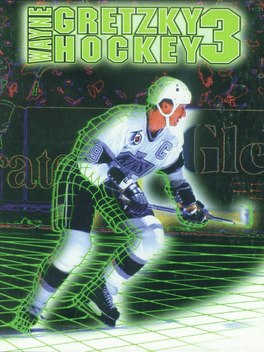
The best selling PC Hockey game in the world just got better! Bethesda Softworks took suggestions from your letters and phone calls, and brought the pro coaches and players back to their locker room. Using their tips and tactics, along with your comments, Bethesda spent an additional five man-years creating Wayne Gretzky Hockey 3. The result is a faster, more realistic version of the fastest game on ice. From the adrenaline rush of a breakaway goal to the tension of Sudden Death Overtime, Wayne Gretzky Hockey 3 will take you onto the ice for the ultimate test of skill. The classic overhead view has been carefully preserved and player graphics and intelligence refined even further. Bethesda Softworks hasn't messed with success, they've only made it better.Noddy's Playtime
1992
Noddy's Playtime
1992
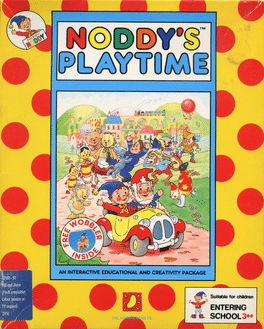
Noddy's Playtime is an edutainment game aimed at children between 3 to 8 years old. The game is based around Enid Blyton's Noddy books, and the accompanying TV series. It consists of several mini-games, accessed by a driving section where the player drives Noddy's car between different places in Toytown. The games are: Railway Station (memory game), Post Office (maths), Market Place (reading), Chimney House (music), Noah's Ark (jigsaw puzzle), Farm Yard (matching), N & B Works (odd-one-out) and Noddy's Paint Pot (art). The different ages that the game is aimed at are catered for by having three different difficulty levels which make the games harder for older children.Ultima VII: The Forge of Virtue
1992
Ultima VII: The Forge of Virtue is an expansion pack for Ultima VII: the Black Gate.Quest for Glory III: Wages of War
1992
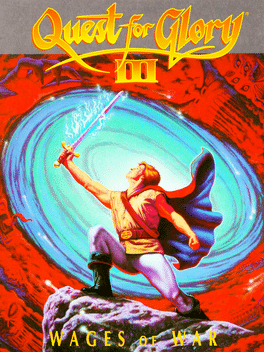
star 7.2Wages of War is the third game in the Quest for Glory series. It is set in the Africa-like world of Tarna, where the hero travels with paladin Rakeesh, his new Liontaur friend he has met in the previous game. Shortly after his arrival, the hero learns about the conflict between the human Simbani tribe and the seemingly malevolent neighboring Leopardmen. It is now time for our hero to become a skillful diplomat and prevent an upcoming war between the two nations. The basic gameplay system is similar to that of the two preceding games. The game has an adventure-like structure and gameplay elements, including puzzles to solve, inventory items to use, and characters to talk to, as well as a role-playing system with combat and character development. As in the predecessors, the player character can be either a fighter, a thief, or a mage; in this installment, the paladin class is selectable from the beginning of the game (unlike the previous game, where the hero could only earn the title of a paladin during the course oStreet Fighter II
1992