New Puzzle Games - Page 289

EmPipe
1999
Drop Mania
1999
Drop Mania
1999
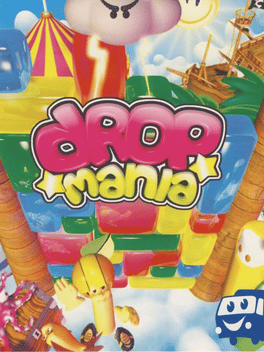
A color based block puzzle game similar to Puzzle Fighter or Puyo Puyo. It was distributed by ice cream trucks in Finland during the summer of 1999.Multi Champ
1999
Dweep
1999
Dweep
1999
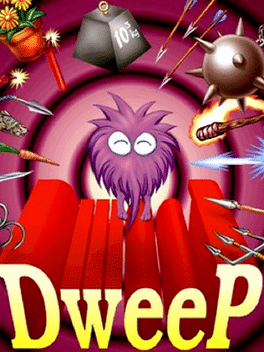
Dweep is a 1999 puzzle game developed and published by Dexterity Software where you control an adorable creature called Dweep, helping him reach his kids by solving various puzzles using some tools such as mirrors, hammers, wrenches and the likes.Picross NP Vol. 2
1999
Picross NP Vol. 2
1999
The second of a series of eight Picross puzzle games distributed over the Nintendo Power cart-writing service. This part includes puzzles featuring characters from Yoshi's Story.Oekaki Logic
1999
Oekaki Logic
1999
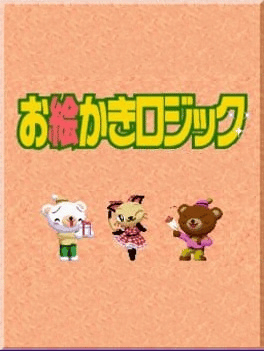
Oekaki Logic is a Puzzle game, published by Sekaibunka Publishing, Inc., which was released on the Nintendo Power service on June 1999. A sequel was released later that year.Bust-A-Move Pocket
1999
Bust-A-Move Pocket
1999
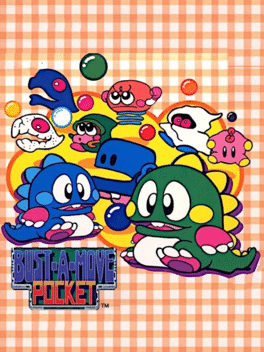
Bust-A-Move Pocket, also called Puzzle Bobble Mini, is a Neo Geo Pocket Color version of the Bust-A-Move (Puzzle Bobble) series of puzzle games. It was released on the Neo Geo Pocket Color by Taito in 1999. The format is similar to Bust-A-Move 2 for the PlayStation. The game's Puzzle mode includes a feature that saves initials of those who have completed the level in the fastest time. The game contains a survivor mode where the player has to burst the oncoming bubbles, making sure they don't reach the bottom line which spells the end of the game. Also present is a vs CPU mode, where the player can compete against a selection of eight characters.Hello Kitty no Magical Museum
1999
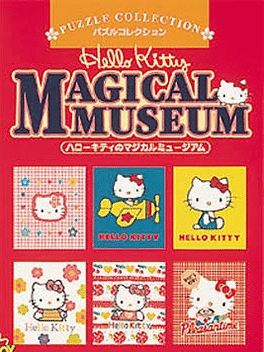
Hello Kitty no Magical Museum is a Puzzle game, developed by Atelier Double and published by Imagineer, which was released in Japan in 1999.SuperLite 1500 Series: Oekaki Puzzle 1
1999
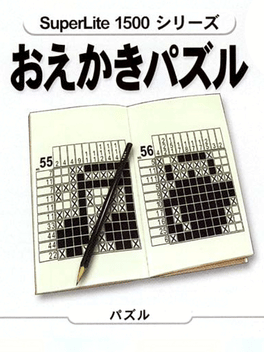
Complete the puzzle game will fill the picture based on the number of horizontal and vertical squares. We offer a total of 500 questions and problems can enjoy hearty beginners to advanced. The addictive puzzle game once while doing ratchet simple rule, mode is also equipped with a polite explanation of worry beginners.SuperLite 1500 Series: Nankuro
1999
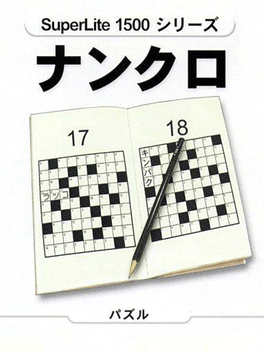
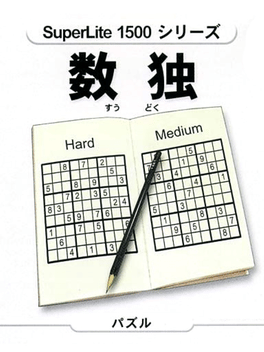
A crossword is a word puzzle that normally takes the form of a square or rectangular grid of white and shaded squares. The goal is to fill the white squares with letters, forming words or phrases, by solving clues which lead to the answers. In languages that are written left-to-right, the answer words and phrases are placed in the grid from left to right and from top to bottom. The shaded squares are used to separate the words or phrases. Squares in which answers begin are usually numbered. The clues are then referred to by these numbers and a direction, for example, "4-Across" or "20-Down". At the end of the clue the total number of letters is sometimes given, depending on the style of puzzle and country of publication. Some crosswords will also indicate the number of words in a given answer, should there be more than one.Dokodemo Mahjong
1999
Dokodemo Mahjong
1999
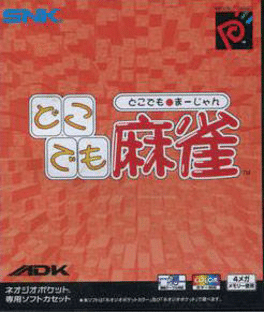
Doko Demo Mahjong is a Miscellaneous game, developed and published by ADK, which was released in Japan in 1999.Goraku-Ou Tango!
1999
Goraku-Ou Tango!
1999
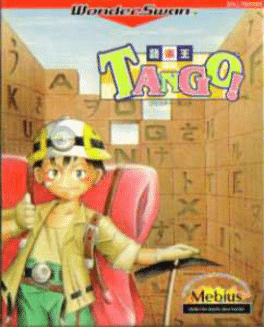
Goraku Ou Tango! is a Puzzle game, published by Mebius, which was released in Japan in 1999.Blue's 123 Time Activities
1999
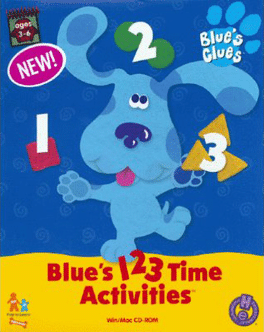
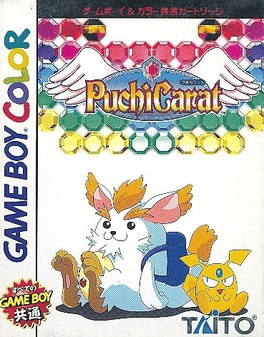
Join Blue in his counting activities! Relive your childhood adventures with Steve who is now in college.Puchi Carat
1999
Picross NP Vol. 1
1999
Picross NP Vol. 1
1999
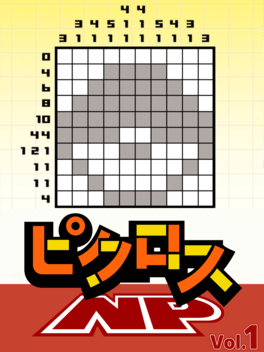
The first of a series of eight Picross puzzle games distributed over the Nintendo Power cart-writing service. This part includes puzzles featuring characters from Pokémon Red and Blue.Blue's ABC Time Activities
1999
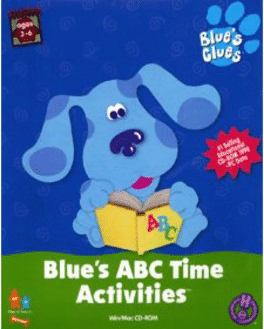
Blue's ABC Time Activities takes Blue's Clues, the Emmy-nominated #1 preschool TV series, to a whole new interactive level of playful learning. Blue and her friends help preschoolers strengthen essential pre-reading skills as they explore the world of letters, sounds and words in this activity pack featuring multi-level learning activities. Kids identify letters, build vocabulary, practice phonics and create rhymes as they collect words to help Blue build silly stores in her Word Book. Print Blue's Word Book and other activities to share with family and friends. Difficulty levels automatically adjust to meet each child's skill level.Midway Presents Arcade Hits: Klax
1999
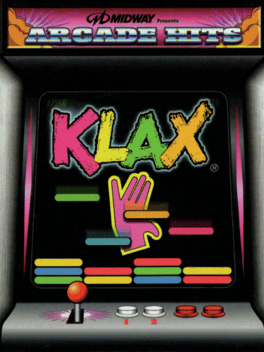
KLAX - It's simple in concept and easy to play. Catch the colored tiles with the paddle and flip them into bins to make same colored stacks, diagonals and rows of three. Sounds easy? It is. The hard part is pulling yourself away from this fun and addictive game!Sesame Street: Elmo's 123s
1999
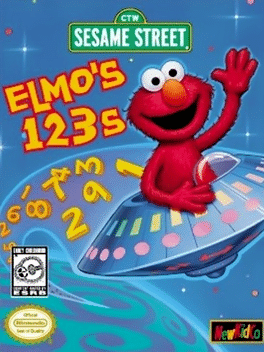
Get ready to come and play and learn in SESAME STREET: Elmo's 123s for the Game Boy Color. Preschoolers love Elmo it's a simple fact of life and your kids or siblings will have a fun time here while they learn their numbers. There are four basic math concepts to be enjoyed: addition, subtraction, counting, and number pattern recognition. Elmo is the official welcoming committee to visitors from the Planet Zap, and he needs help counting all the stars so his visiting outerspace pals will turn the Sesame Street lights back on. Four cheerful and challenging games await: "How Many Stars," "Beam That Number," "Adding Countdown," and "Take It Away." In "Stars." you'll count how many stars that a speeding spaceship has left in its wake; "Beam" has you beam a spotlight over three patterns. Correctly match the patterns to the number in the lower right hand of the screen and watch rockets blast into space. "Countdown" has you flying with your jetpack and solving three addition equations, and "Take It Away" is similar, only lSesame Street: Elmo's ABCs
1999
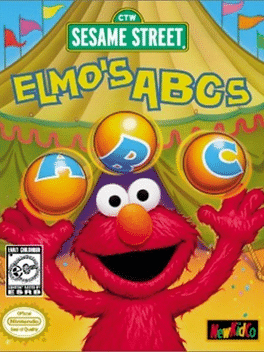
Sesame Street: Elmo's ABCs is based on the 1980s computer game Letter-Go-Round. Instead of Sesame Street characters, such as Big Bird, Elmo finds a letter that goes merry-go-round to saying how the letters were. They solve by checking the controls to determine the letter.