New Game Boy Games - Page 243

Brush Roller
1990
Brush Roller
1990
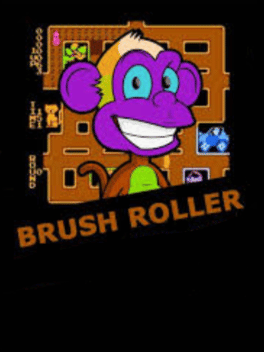
Brush Roller is a clone of Make Trax (an arcade game by Kural Samno in 1981) made by Hwang Shinwei in 1990. This game can often be found on multicarts and was sold in Brazil as a stand-alone cart by CCE.Oil's Well
1990
Oil's Well
1990
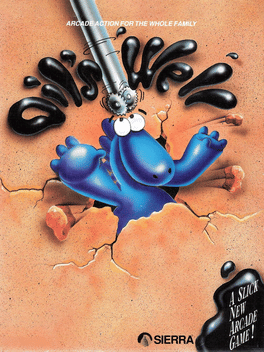
The player attempts to manage an oil drilling operation and collect oil, while evading subterranean creatures. The player can advance through eight different levels, using four directional control buttons to move the drill head, and pressing a button to quickly retract it.Gnop!
1990
Domination
1990
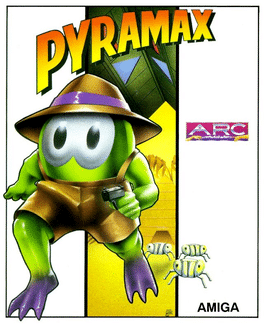
Pyramax
1990
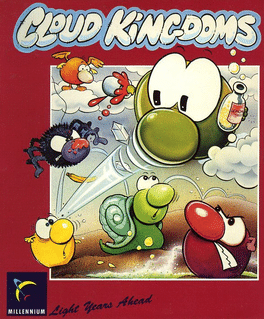
Cloud Kingdoms
1990
Cloud Kingdoms
1990
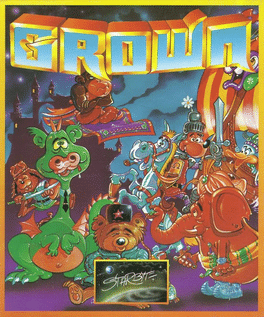
Baron von Bansai has stolen Terry's precious collection of crystals, get them back.Crown
1990
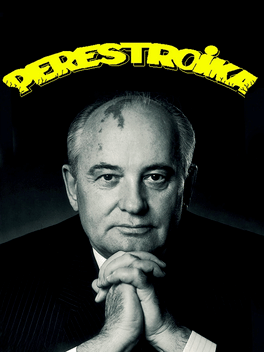
Perestroika
1990
Perestroika
1990
Perestroika is a Russian video game. The game consists of controlling a small frog-like creature which jumps from one lily pad to another, trying to collect dots in four colors symbolizing grocery goods, currency transactions, progressive taxes and adventures and to reach a certain pad in the right-top corner of the screen. The lilies, symbolizing the ever-changing laws and acts in the USSR, constantly shrink and disappear only to appear in other places. Higher levels also feature one or more evil creatures called "bureaucrats" which follow the frog and try to eat it. The frog dies if the lily pad on which it is standing disappears, if the player moves it to a place where there is no lily pad, or if it is caught by a bureaucrat.Painter Momopie
1990
Painter Momopie
1990
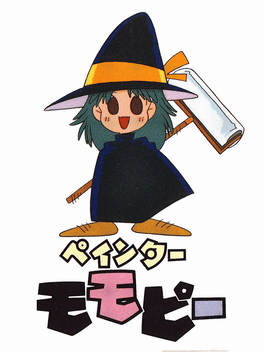
Painter Momopie has a duty to paint the floors as she avoids all kinds of monsters trying to stop her.Bomberman
1990
Bomberman
1990
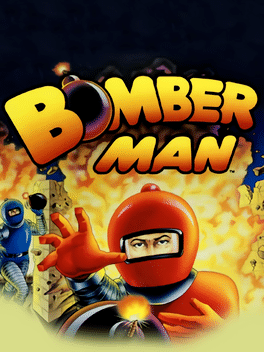
star 7.9Bomberman is a 1990 action maze video game developed by Hudson Soft for the TurboGrafx-16. Belonging to the Bomberman franchise, it is a greatly expanded re-imagining of the first game in the series. In Europe, the game was released for the MS-DOS, Amiga and Atari ST, retitled as Dyna Blaster due to the European mainstream media associating the original title with terrorist bombings. A Commodore 64 version was advertised as well but never released.The Hunt for Red October
1990
Based on the movie of the same name which was adapted from the best-seller by Tom Clancy. As Jack Ryan (a CIA officer) you must find out if Red October's mission is to DEFECT and if that is the situation try to prevent a possible deadly war. Red October is Russia's top secret nuclear missile submarine which is heading West on her maiden voyage... The game is divided into 5 different action sequences in which you must perform various abilities like jumping from a helicopter, navigating big and small submarines through deep and narrow channels while trying to avoid from many obstacles.Pac-Man
1990
Lunar Lander
1990
Lunar Lander
1990
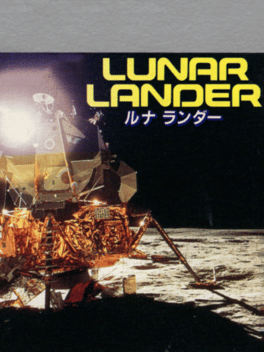
Lunar Lander is a space exploration game based around Lift-off, Landing and Exploration After you have landed and explored all eight areas, your mission is completed and you proceed to the next one, which is more of the same.Robotz
1990
Robotz
1990
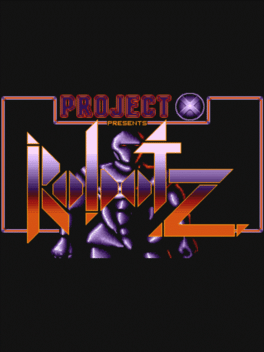
The levels are presented as single screens, with deadly walls in them: touching a stone instantly kills the player, which is also happening on a single hit from any of the robots shots. The level maps are pre-defined and always the same, but on each level start or dying, the position of both the robots and generator are randomly chosen. After each seven levels, the player gains an extra life. The game was published as cover disk for ST Format, but released into the public domain soon after. In 2010 an extended port with original graphics was released, named Robotz DX.Game Party
1990
Game Party
1990
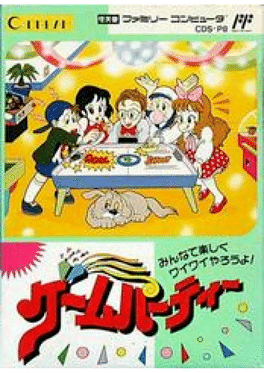
Game Party is a game published by Coconuts Japan Entertainment Co., Ltd., which was released in Japan in 1990 for the Nintendo Famicom.Pac-Mania
1990
Pac-Mania
1990
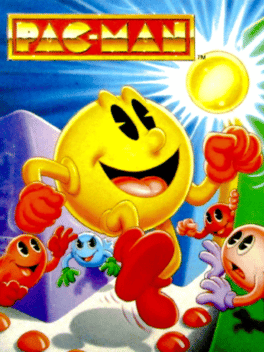
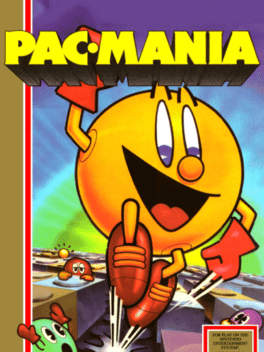
Pac-Mania is a variation on the game Pac-Man. You need to guide Pac-Man around a maze and eat all of the dots on the board in order to proceed on to the next round. Numerous, multi-colored ghosts also roam the maze trying to stop you. If you eat one of the power pellets in the maze, the ghosts will temporarily turn blue and run from you. Pac-Man can earn bonus points by eating the ghosts when they are in this state. The maze is now shown in isometric perspective and is larger than screen which will scroll to follow the action. To help get out of tight spots, Pac-Man now has the ability to jump. But be careful, because some of the ghosts have learned this trick as well and you could end up in a mid air collision!Penguin Wars
1990
Penguin Wars
1990
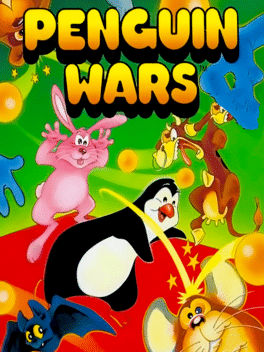
star 6.7Penguin Wars is an arcade game released in 1985 by UPL. It was ported to the original Game Boy (1990), MSX and Nintendo Entertainment System by ASCII under the title Penguin Wars. The Game Boy version of the game is known as King of the Zoo in Europe and Penguin-Kun Wars Vs. in Japan.Paperboy
1990
Paperboy
1990
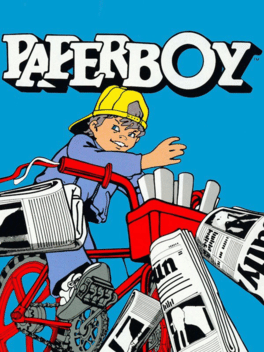
The object of Paperboy is to deliver papers to your customers while inflicting as much damage as possible to the houses of your non-customers. To make things more difficult, numerous obstacles get in your way including construction workers, rogue tires, skateboarders, dogs and cats, cars, and even the occasional tornado.Summer Camp
1990
Summer Camp
1990
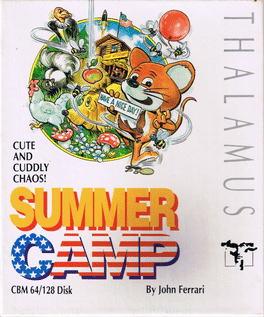
GET INVOLVED IN THE CRAZIEST CARTOON GAME EVER! Maximus Mouse has to retrieve the lost Stars&Stripes for the grand Opening Day of Summer Camp - but where is it? Screen after screen of madcap action, addiction and the most colorful collection of cute, crazy but deadly characters you're likely to find! It’s the arcade game that tickles your funny bone but could wreck your vacation..!ThunderJaws
1990
ThunderJaws
1990
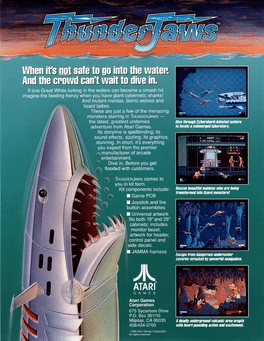
You are a member of an underwater special forces unit and have been selected to infiltrate Madam Q's headquarters and stop her demented plans before she can destroy the world