New Game Boy Games - Page 225

Arcade's Greatest Hits: The Midway Collection 2
1997
BLASTER pits your starship shooting skills against endless waves of enemies: Roto-Shooting Robots, Runaway Spaceships, Evasive Vampire Ships, Squads of Saucer Ships, The Masterminds and more - 20 million light years away! Specialty of the House! Help Chef Peter Pepper in a race to collect patties, cheese, lettuce and buns! Face challenging mazes, make mounds of burgers and score big time inBURGERTIME! JOUST 2 the sequel to the record-setting video game, pits you against Buzzards and Vultures in an intense battle for survival. Buzzard eggs hatch into Evil Aggressors while Golden Eggs offer the promise of special rewards and ultimate victory! Alien attacks, bottomless craters, boulders, land mines, cannons, low-flying planes on your tail and the clock ticking away...These are just some of the challenges awaiting you in MOON PATROL! It's fun, refreshing, mug slidin' fun. You'll love serving frosty root beers to the thirsty customers in four different scenes. Quench your thirst for fun with another classic,ROOT BEEBall
1997
Ball
1997
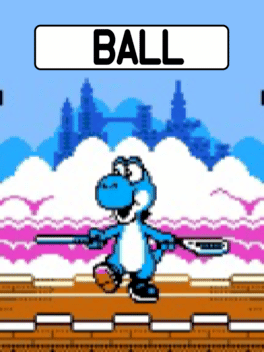
Remake of Game & Watch Ball released as unlockable in Game & Watch Gallery 2. The player must control a Yoshi, Mario, Wario, or King Koopa as they juggle various objects. In Classic Mode, the player needs to juggle balls as long as they can.Vermin
1997
Chef
1997
Chef
1997
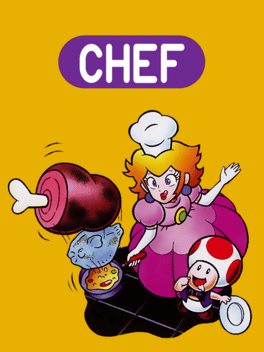
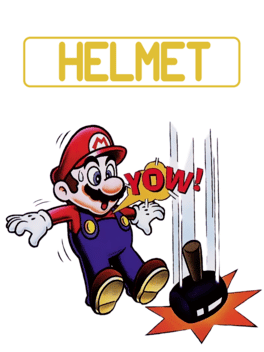
Peach must flip cooking items thrown into the air by the Mario Bros. with a pan and feed them to Yoshi.Helmet
1997
Parachute
1997
Parachute
1997
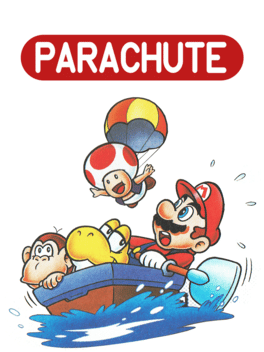
Mario must catch Toads, Yoshis, and Donkey Kong Jrs. in his rowboat as they float down with their parachutes.Game & Watch Gallery 2
1997
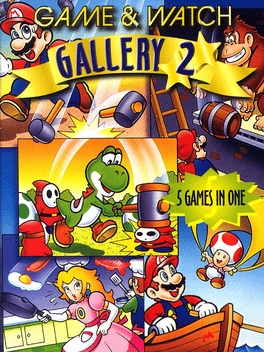
star 6.7Game & Watch Gallery 2 is the sequel to Game & Watch Gallery released in 1997 for the Game Boy, only in Japan. This version is a colorized version released for the Game Boy Color in 1998. The game included six revisions of classic Game & Watch games, one of which is not playable from the beginning and must be unlocked. This colorized version was never released in Japan, although a prototype was found.Block Buster
1997
Block Buster
1997
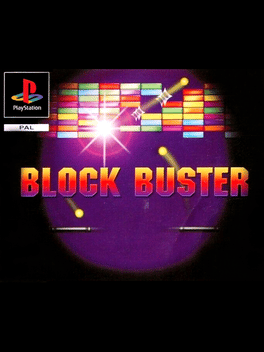
Block Buster (or Block Kuzushi or Simple 1500 Series vol.014 - The Block Kuzushi in Japan) is a good breakout game that can be played by 2 players in cooperative or VS mode. The game offers some interesting special moves like the one in which you can hit the ball with effect pressing a buttom. There are 3 different game modes: Attack mode, Endless mode & VS mode. With roots in the classic Breakout game from a few decades ago, Block Kuzushi continues where Arkanoid left off and updates the theme with colorful jewels to hit in addition to the standard rows of bricks. During the course of play, weapon upgrades may be picked up such as multiple balls, shooting power and other brick bashing powerups. Roaming objects on-screen may deflect your ball so watch out for surprise changes in trajectory when these nuisances are afoot. 60 levels of cleverly designed boards (and some not so clever ones) should hold your attention for a few hours.Show lessXonix32
1997
Xonix32
1997
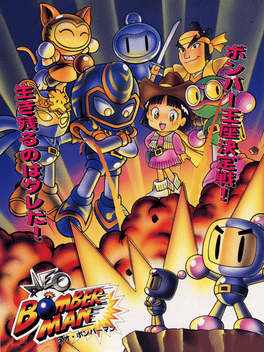
Xonix32 is a remake of the DOS game Xonix for the Windows platform. The gameplay is the same: the player controls a marker and has to cut off pieces of the playfield, creating a big safe area, while avoiding to be hit by the enemies.Neo Bomberman
1997
Neo Bomberman
1997
star 8.4The gameplay consists of walking through maze-like areas filled with monsters with a goal of opening the gate leading to the next area. Playing as a bomberman, the player can lay bombs to destroy all of the monsters, which will subsequently open the gate. Destroying blocks in the maze may uncover useful items including remote control bombs, accelerators, hearts, and increased firing range. Neo Bomberman includes Bosses that appear after each zone. Each zone is harder than the last, some featuring new traps and level obstacles such as conveyor belts.Disney's The Hunchback of Notre Dame
1997
Disney's The Hunchback of Notre Dame is an Action game and a mini games collection based on the Disney movie of the same name. It's essentially the same game as the PC version, but features two new mini games ("Catch the Fool" and "Picture Puzzle"). In turn, the mini games "Le Food Fight" and "Inside Outwords" were removed.Oil Panic
1997
Oil Panic
1997
Bowser is dropping oil into a castle, and Mario must use two buckets to catch the oil before it touches the floor. Yoshi serves to dispense oil and can even be used to take out Bowser from the top of the castle, gaining bonus points in the process. In Classic Mode, the Station Helper must collect oil dripping from the ceiling of a gas station in one bucket and dump it to his boss before the bucket overflows.Octopus
1997
Octopus
1997
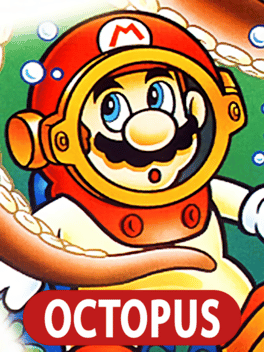
Mario is a sea diver and must deliver treasure to Princess Peach, but he must avoid the Octopus's arms. His speed is affected by how much treasure he is carrying, but he can throw his bagful of treasure at the Octopus's arms. Bonus points are awarded depending on how much treasure he gives to PeachFire
1997
Fire
1997
Mario and Luigi attempt to catch Toads, Yoshis, and Donkey Kong Jrs. after they jump out the window of Princess Peach's burning castle. The catch is that different characters fall at different speeds: Toads bounce the highest, while Donkey Kong Jrs. bounce the lowest. Yoshi Eggs also appear and contain either a Bob-omb or a Moon (a Super Star in the first game); the eggs break open when they are caught or hit the ground. The player receives two points for catching an egg. If a Bob-omb reaches the carriage, everyone, including the Mario Bros., runs away as the carriage explodes, and the player gets a miss. If the Mario Bros. catch a Moon, the player receives five points. At 200, 500, and 700 points, Peach appears and blows a kiss, sending out a heart for Mario or Luigi to catch to remove a miss. Music is also featured in this version, with the tempo changing depending on the speed of the game.Manhole
1997
Manhole
1997
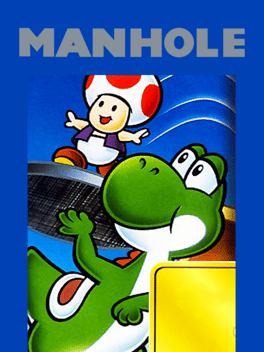
Manhole was remade with an updated "Modern" version for Game & Watch Gallery. Toad, Donkey Kong Jr., and Mario are the pedestrians in this version, walking at different speeds, while Yoshi is the character the player controls. In this version, four manhole covers can stay up at once, unlike in the original. The manhole covers can drop from characters stepping on them, causing the next pedestrian to fall if Yoshi does not act quickly. Yoshi can also hold a manhole cover in place to keep it from falling. He holds up the upper manhole covers with his head and the lower ones with his tongue. At 200, 500, and 700 points, a Chubby comes out of the ground and throws a heart for Yoshi to catch to remove a miss. This version also features music, with the tempo changing depending on the speed of the game.Game & Watch Gallery
1997
Game & Watch Gallery
1997
star 6.9Enjoy four different games from the classic Game & Watch Gallery series: Manhole, Fire, Octopus and Oil Panic. Original and revised versions of each game are included.Boom
1997
Boom
1997
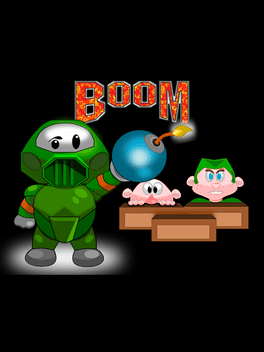
Described by the creators as "Bomberman meets Doom", Boom vigorously thrusts 80 levels directly into your cranium. You and a friend/relative/hostage can traverse 8 different areas populated with creatively devious enemies to highly memorable backing music in this classic arcade thriller.Arcade's Greatest Hits: The Atari Collection 1
1997
Arcade's Greatest Hits: The Atari Collection 1 is a collection of Atari arcade games for the Sega Saturn, PlayStation, and Super Nintendo Entertainment System.Trucks
1997
Trucks
1997
Trucks is an action, racing and arcade game developed by Microfolie's. It is set on the planet Cooroocoocoo, where you are an aspiring businessman/driver who has to buy one of 8 trucks available and takes on various missions. Once you finish buying your truck, fitting it with parts and crew, and accepting your first mission, you will leave from a service station driving your truck from a first-person view.