New Zx Spectrum Games - Page 51

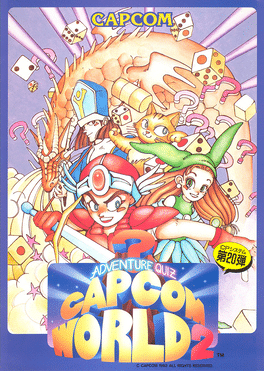
Adventure Quiz: Capcom World 2
1992
Mike Haggar and loads of other Capcom characters appear in this trivia quiz game from Capcom.Jeopardy!
1992
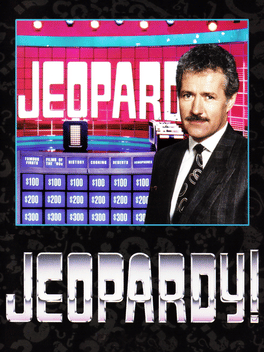
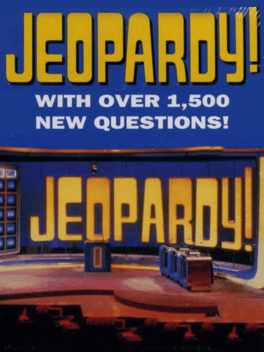
Jeopardy!
1992
A 16-bit adapation of the Merv Griffin general knowledge quiz show Jeopardy! for the SNES and Sega Genesis. It was published by GameTek instead of Rare, the original developers of the NES games.Gimme a Break: Shijou Saikyou no Quiz-ou Ketteisen 2
1992
Gimme A Break: Shijou Saikyou no Quiz Ou Ketteisen 2, released for the Famicom in 1992, is the second game in a series by Yonezawa PR21 based on a real Japanese game show. This game is significantly better than the first game in the series, but also much harder. If you can't read Japanese very fast and if you are not going to cheat using save states, then this game is going to be a huge problem to beat. But it seems like a native Japanese speaking person would find this game to be a lot of fun. The game flow is the following. You choose a region of Japan that your character lives in. Then you will compete in the regional quiz championships. This is composed of a qualifying quiz that you have to get 10 questions right to pass, then you compete against the other contestants from your region that also passed the qualifying test. If you get first or second place, you will move on to the national level of the game. Again, you must pass a qualifying quiz. Then you will compete against the other contestants that made itStar of Quiz
1992
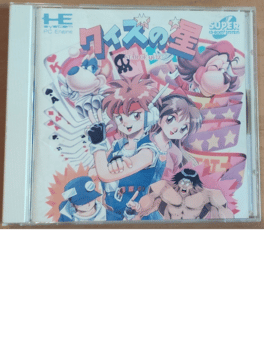
Star of Quiz
1992
"Star of Quiz" is a quiz game released by Sunsoft. It was released on PC Engine SUPER CD-ROM2 in 1992.Chibi Maruko-chan: Waku-waku Shopping
1992
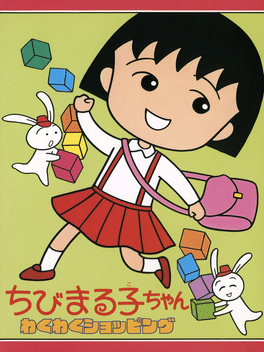
Chibi Maruko-chan: Waku-waku Shopping is the 8th video board game based on Momoko Sakura's Chibi Maruko-chan slice of life manga and anime about a troublemaking grade-schooler and her friends and family. Maruko and her classmates Tamae, Kazuhiko, and Sueo move around a board and increase/decrease their money and happiness totals depending on where they land. Other squares might produce random effects or offer items to buy.16 Zhang Mahjong
1992
16 Zhang Mahjong
1992
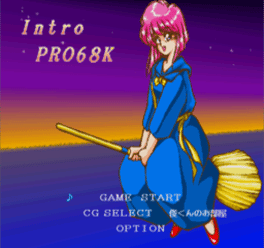
16 Zhang Mahjong (十六張麻將) is one of several unlicensed pornographic mahjong games for the Sega Mega Drive, developed by GamtecMusic Intro Pro 68K
1991
Music Intro Pro 68K
1991
This is a fun little quiz game where you a hear the first seconds of game tunes and guess which game it is.Riskant!
1991
Riskant!
1991
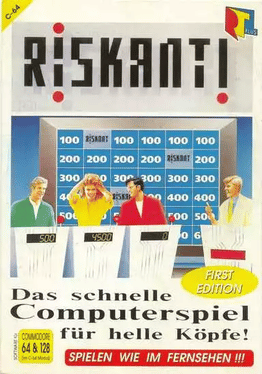
Based on the hit television show, "Riskant!" (which itself is based on "Jeopardy!") for Commodore 64 and Amiga features support for three players. Before starting, you can enter the number of participants, their names, gender and appearance. Gameplay consists of selecting a category and money value with number keys. After the "answer" appears, you have 7 seconds to buzz in. Answering involves selecting the start of the question ("Who is/was ...", "What is/was ..." etc.) and completing the question with the right answer in 30 seconds. After the first two rounds, players with positive dollar amounts can play in Riskant! Finale. The player with the most money at the end of this round wins the game.Jeopardy
1991
Jeopardy
1991
Based on the hit television show, Jeopardy! for Game Boy features over 1,500 questions and support for two players. Before starting, you can enter the number of participants and their names. Gameplay consists of moving a cursor and selecting a category and money value. After the question (or answer) appears, you have ten seconds to buzz in. Answering involves selecting each letter on an alphabet display to spell out one or more words. After the first two rounds, players with positive dollar amounts can play in Final Jeopardy! The player with the most money at the end of this round wins the game. For two-player games, you can either link two systems together or share one Game Boy.Super Mario World: Mario to Yoshi no Bouken Land
1991
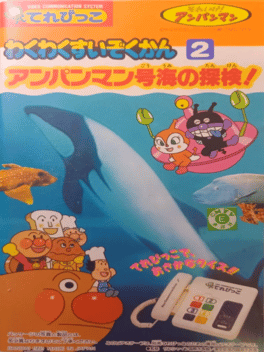
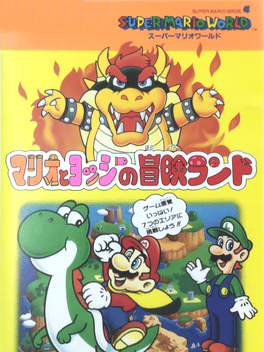
Super Mario World: Mario to Yoshi no Bouken Land, is a 28-minute interactive anime video based on the game Super Mario World published by Bandai in 1991. It is designed for use with Bandai's Terebikko system, which utilizes a telephone-shaped microphone to "interact" with the video. It asks the viewer multiple choice questions, and prompts the user to answer by pressing one of four numbered buttons. Although made for use with the Terebikko system, the video can also be played on an ordinary VHS player.Moomin no Suteki na Present
1991
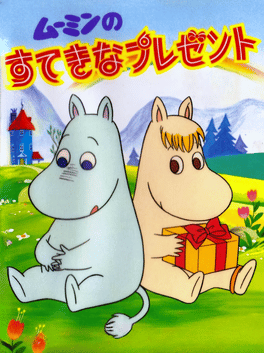
An interactive movie/game for the Terebikko in the Moomin franchise.Master Break
1991
Master Break
1991
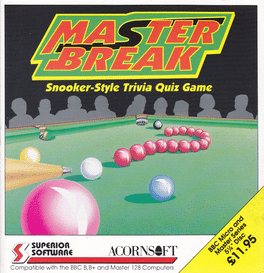
Master Break is a snooker themed quiz game that can be played by up to four players. In a single player game the aim is to get the highest break (up to a maximum of 147) while the multi player game is simply about getting the highest score. The player starts with a red ball question and the player has to answer by choosing one of three alternatives before time runs out. After that the player can choose between balls of different colours with different subjects. There are six categories of questions: science & nature, pop music, geography, sports & pastimes, art and history. Each player can pass up to three red questions. In a multi player game an "over pocket" sign might appear and answering wrong will then lead to a foul shot. Foul shots lead to the opponents being awarded points.Wetten Dass..?
1991
Wetten Dass..?
1991
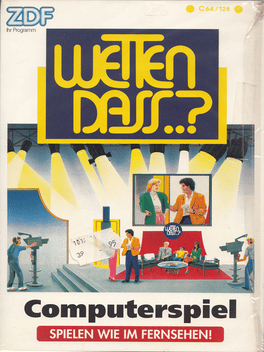
Wetten Dass..? is based on the German TV game show of the same name. The game can be played by up to four players. The player who gets most of the bets right earns the highest score and thus wins the game.The Sun Crosswords: Volume 1 & 2
1991
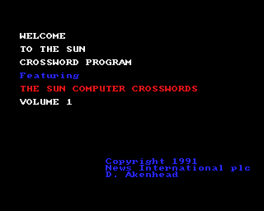
Sun Crosswords is a Puzzle game, developed and published by CDS, which was released in Europe in 1991.Super Munchers: The Challenge Continues...
1991
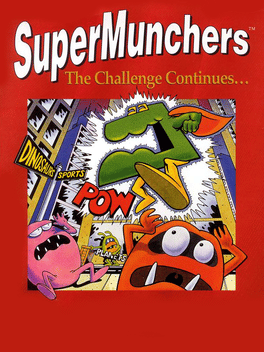
Super Munchers is the follow-up to the original Number Munchers.Swamp Gas Visits the United States of America
1991
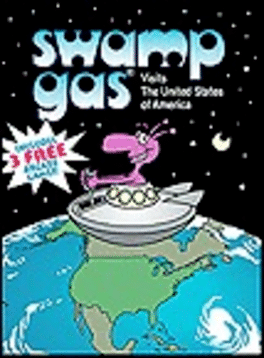
An educational game for the Macintosh computer. Up to 4 players play and learn about geography.