New Games - Page 12742

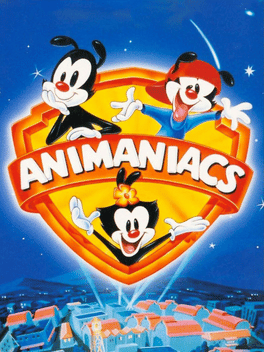
Animaniacs
1995
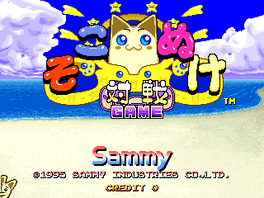
Sokonuke Taisen Game
1995
Sokonuke Taisen Game
1995
In this strange party game you must compete in simple yet strange events such as inflating balloons, morphing into dragons, etc., while at the same time protect your partner from 'harmless' pain inducers such as razor-sharp buzzsaws and bombs! Features nice graphics and hectic gameplay!Bust-A-Move Again
1995
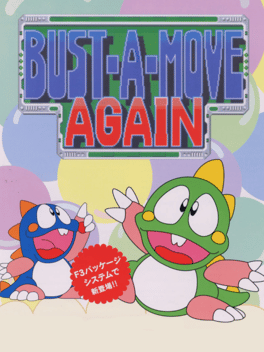
Bust-A-Move Again
1995
Puzzle Bobble 2 is a tile-matching video game by Taito. The first sequel to Puzzle Bobble, it was titled in Europe and North America as Bust-A-Move Again on the arcade and Bust-A-Move 2 Arcade Edition on the home consoles. The game builds on the original by adding a tournament style variation on the two player game for play against the computer and by adding a branching map to the one player game, allowing the player to periodically select one of two groups of five levels to play next, leading to different game endings. Some of the contestants in the new tournament mode are based on characters from Bubble Bobble, including variations on a Monsta and a Mighta. Completion of the single player game gives the player a code which can be entered to unlock 'Another World' for the single player game, which features subtle changes to the existing levels to increase their difficulty and changes to all backdrops to resemble levels from Bubble Bobble. The various enemies from Bubble Bobble also make an appearance in the backArcade Classic No. 1: Asteroids / Missile Command
1995
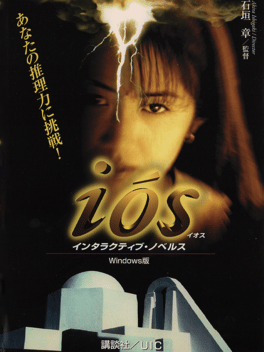
star 5.9Arcade Classics: Asteroids + Missile Command is a compilation of the two classic arcade games. This bundle also featured enhanced Super Game Boy support.Iós
1995
Super Major League
1995
Super Major League
1995
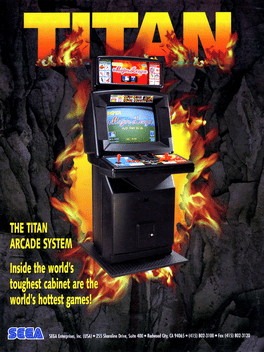
A 3D arcade baseball game by Sega and a reworked version of the Japanese game "Final Arch", using MLB teams. It is sometimes seen as a successor to the early arcade game Major League. Super Major League is a baseball game for the Sega Titan ST-V system.Red Ghost
1995
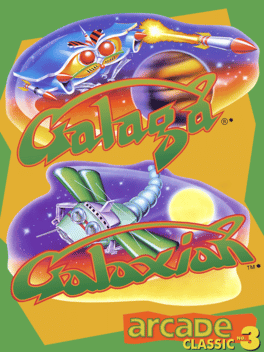
Arcade Classic No. 3: Galaga / Galaxian
1995
star 7.1A compilation of two classic arcade titles, Galaga and Galaxian ported over to the Game Boy and features original gameplay features. It is also Super Game Boy compatible complete with background borders that replicate their original arcade machine casings.VR Virtua Racing
1995
Dirt Trax FX
1995
Dirt Trax FX
1995
The player can choose between eight different riders with unique characteristics and four bikes ranging from 50cc to 500cc. There are 22 tracks with four difficulty levels of gameplayWhite Men Can't Jump
1995
White Men Can't Jump
1995
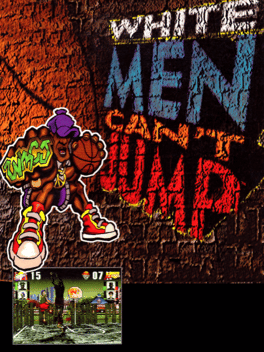
Are you ready for the most hyped up, monster jammin', bruisin' elbows, rebound snatchin', rim stuffin', skying over suckers, down your throat, money making game of street ball you never thought possible? Well, here it is, in your face, and it's time to get it on! Hit the courts with White Men Can't Jump!Pang! 3
1995
Pang! 3
1995
Your character is locked inside an art museum and has to avoid bouncing balloons of various sizes, most of which split when hit. The player has the option of "normal" play with stages or "panic" mode in which balloons will appear continuously. In normal mode, watch out for characters like birds and dogs that will paralyze your character.Circuit USA
1995
Circuit USA
1995
A port of Kyle Petty's No Fear Racing, with the difference being the removal of the references of the celebrity.Kikimora's Clean-Up
1995
Kikimora's Clean-Up
1995
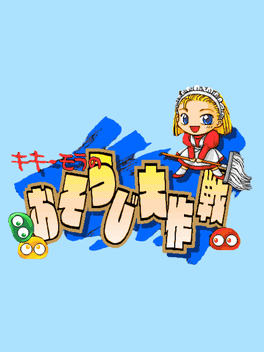
Released in Vol 7, Kikimora's Clean-Up puts players in the role of Kikimora, who must completely sweep floors while facing a time limit. This game is similar to Pac-Man in nature.Bayoen Wars: Daimadou Senryaku Monogatari
1995
Released in Vol 5, Daimadou Senryaku Monogatari is a turn-based strategy game.Dai-2-ji Super Robot Taisen G
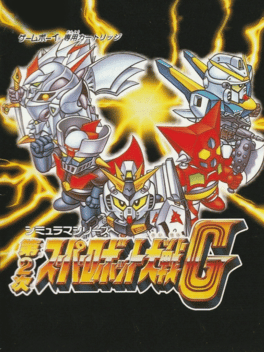
1995
Dai-2-ji Super Robot Taisen G, officially translated as Super Robot Wars II Gleam, is a Strategy game, developed by WinkySoft and published by Banpresto, which was released in Japan in 1995.The Legend of Xanadu II
1995
The Legend of Xanadu II is a direct sequel to the Legend of Xanadu, taking place three years after the original game.Der Langrisser
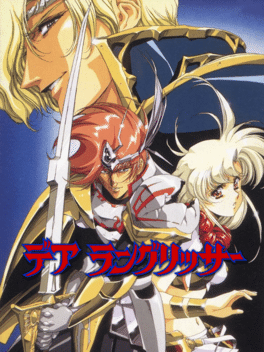
1995
Der Langrisser
1995
The Super Famicom remake of the Sega Mega Drive game, Langrisser II. Along with reworked graphics, this version of the game added branching paths and multiple endings with the option to choose from 3 factions or to create your own 4th faction. There are less class upgrade paths for units and mercenary groups can't be used in the same way as the original.The Scottish Open: Carnoustie Virtual Golf
1995
In the golf simulator you are allowed to win in Scottish Open on Championship Golf Courses, including The Bowery, Kilmarney, Penperro, and Carnoustie. There are many players in the game, who can rise during the playing. You can choose, edit or create one of them. Choosing a club, striking a ball, and counting turns, you have to beat your opponents, taking into account wind and height of landscape. The game employs 3 different camera angles to capture the most realistic aspect on the course.