New Games - Page 11888

Valkyrie
1993
Valkyrie
1993
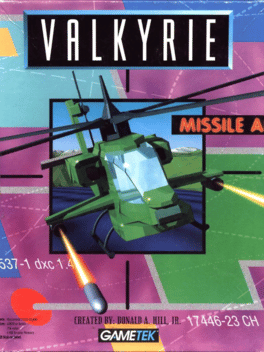
Valkyrie is, according to the box, one of the most simple to use flight simulators ever created. The game is designed to be as easy as possible to use while teaching you the basics of dogfighting at the same time. The game automatically adjusts the ship's rotor according to your input, leaving you free to decide how to attack or evade the oncoming enemies! The game features ten different missions with varying difficulty levels and three-dimensional graphics. You can fight up to three computer opponents during your training sessions, and missions where you attack the enemy or defend your base. The game was created by one man: Donald A. Hill, Jr.Exploration
1993
Exploration
1993
Exploration is a game of strategy and world conquest that challenges you to seek fame and fortune as you embark on an expedition to uncharted New Worlds. Choose your crew, equip your ship, and buy commodities to fund your expedition. In Exploration, challenge Christopher Columbus, James Cook and other great explorers or, using the multi-player interactive feature, compete against up to 3 other players. In Exploration, you are in control of more than just a ship or a caravan. You are in control of an Empire. Your decisions will do more than provide enough money for the next journey, they will determine whether your nation rises to glory or fades into obscurity!1993Tris
1993
1993Tris
1993
In 1993tris the players goal is to destroy a certain number of flies. Flies drop down into the play field in blocks of 2x2. The flies are colored, and can be killed by matching three or more of the same color together. There are also weapons that will fall down that the player can use by pressing the space bar or enter key.Unnatural Selection
1993
Unnatural Selection
1993
An evil scientist has used genetic engineering to create a race of rampaging monsters. As a fellow scientist you must take back a chain of islands by breeding your own creatures that are faster, smarter, more aggressive, and faster at breeding. Raise your creatures in a lab where you can mate them, examine them, and even create random mutations by introducing radiation into the environment.Nanotank
1993
Nanotank
1993
Puzzle game in which a microscopic tank navigates electronic circuits, manipulating different components to direct power and get to the exit. 100 levels.WinFight
1993
Curses
1993
Curses
1993
In the course of searching the attic for an old tourist map of Paris, Victor Meldrew steps into a surreal adventure to uncover a centuries-old curse that has been placed on his family.Humans 1 and 2
1993
Humans 1 and 2
1993
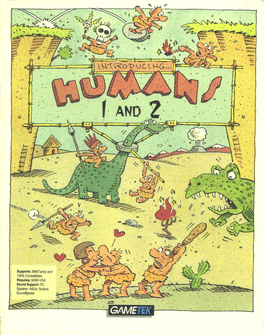
The Humans and The Humans: Insult to Injury were combined and released for both Amiga CD32 and PC under the name Humans 1 and 2Dynabusters
1993
The Brick Wall
1993
Vajra
1993
Puppet Knight
1993
Tuneland
1993
Tuneland
1993
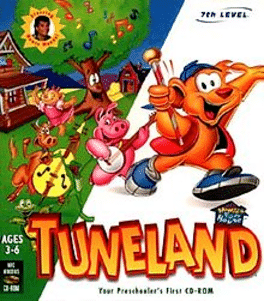
Tuneland is a musical children's computer game, produced in 1993 by a division of 7th Level, Kids' World Entertainment. The cartoon video game follows the character Little Howie, who is voiced by the television personality Howie Mandel on an adventure around Old McDonald's Farm.Nobunaga's Ambition: Haouden with Power Up Kit
1993
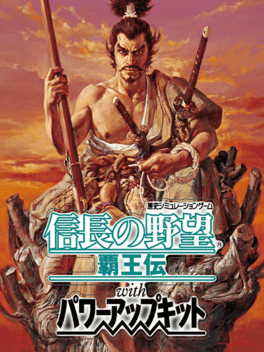
"NOBUNAGA’S AMBITION: Haouden with Power Up Kit" is an expanded version of "NOBUNAGA'S AMBITION: Haouden," which was released in 1992 as the 5th game in the series. Up to now in the series, warfare was focused on whole countries. Haouden changes that focus towards individual castles. Also, a Daimyo controls their officers through giving out rewards based on their achievements as they fight for total control of the Warring States.Entity
1993
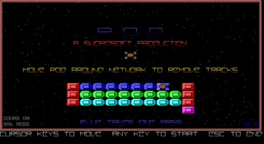
Pod
1993
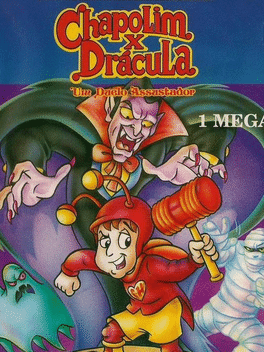
Chapolim x Drácula: Um Duelo Assustador
1993
Chapolim X Drácula: Um Duelo Assustador is an authorized "hack" of Ghost House, with Ghost House's hero, Mick, replaced by Chapolim, a famous Mexican character from a TV series.Warzone
1993
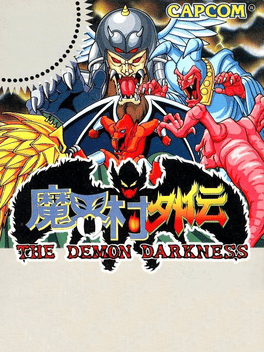
Makaimura Gaiden: The Demon Darkness
1993
star 8.1Makaimura Gaiden: The Demon Darkness is a action platforming game released in Japan for the Game Boy in 1993. It is the second title for the handheld platform featuring the demon Red Arremer (also known outside of Japan as Firebrand, a boss from Ghosts 'n Goblin) as the player character. The game was originally set to be localized in English as Gargoyle's Quest II, but North American release plans were eventually cancelled.