New Games - Page 11804

Uncharted Waters
1992
Super Aleste
1992
Super Aleste
1992
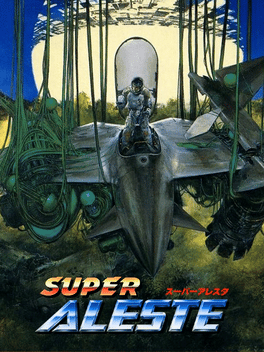
Super Aleste (スーパーアレスタ, Sūpā Aresuta), is a vertically scrolling shooter developed by Compile. It was published by Toho in 1992 for the Super Famicom as part of the Aleste series. The player pilots a spacecraft through a variety of locales shooting enemy ships.Clu Clu Land D
1992
Clu Clu Land D
1992
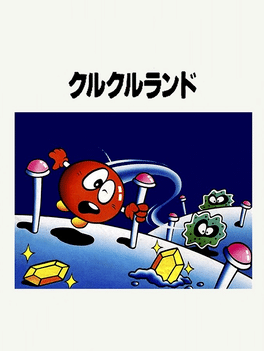
Clu Clu Land D was originally released simply as Clu Clu Land (though the name in the title screen is Clu Clu Land: Welcome to New Clu Clu Land) for the Famicom Disk System, and is a port of VS. Clu Clu Land. The game would later be playable with the localized name as an unlockable in Animal Crossing, alongside the original Clu Clu Land.F-1 Grand Prix
1992
F-1 Grand Prix
1992
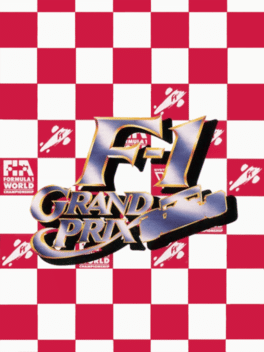
F-1 Grand Prix is a 1991 Formula One-based arcade racing video game developed and published by Video System exclusively in Japan. It is the first title in Video System's licensed F1 Grand Prix series, which this title is based on the 1991 Formula One season. It was licensed by Fuji Television and FOCA. The arcade game was later ported to the Super Famicom exclusively in Japan on April 28, 1992.Captain Tsubasa VS
1992
Captain Tsubasa VS
1992
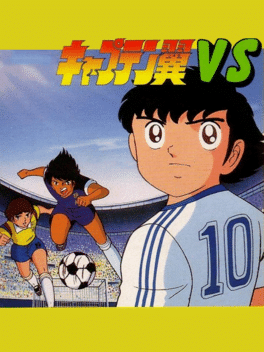
Captain Tsubasa VS is a soccer RPG/Strategy hybrid that plays out in a cinematic perspective. The game is based on the popular Japanese manga/anime of the same name and was released exclusively to Japan. As the game's title states, the game has a versus mode, which allows two Game Boys to be linked for 2-player versus play. Captain Tsubasa VS is a prequel to the first Famicom game and plays identical to other Captain Tsubasa games published by Tecmo.Plasma Ball
1992
Plasma Ball
1992
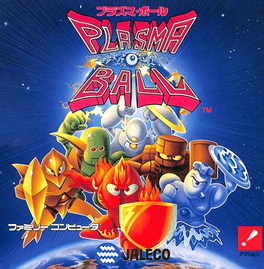
Plasma Ball is an Action game, developed and published by Jaleco Entertainment, which was released in Japan in 1992.Cosmic Fantasy Stories
1992
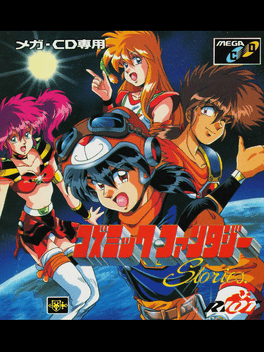
Cosmic Fantasy Stories is a Sega Mega-CD RPG released exclusively in JapanThe Great Battle II: Last Fighter Twin
1992
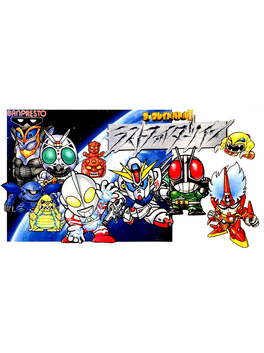
Heroes unite! The World is plummeting into chaos. Be the hero that shines the light of hope! SD Great Battle has returned to Super Famicom, with more heroes, villains and action!Kirby's Dream Land
1992
Kirby's Dream Land
1992
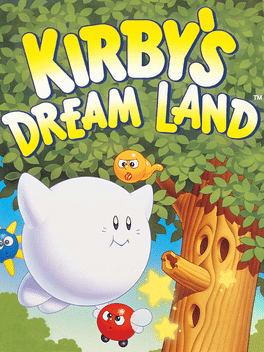
star 7.7The gluttonous King Dedede has stolen all of the food from the inhabitants of Dream Land for a midnight feast, so Kirby, a resident of Dream Land, goes to retrieve the food and stop Dedede. Kirby's Dream Land plays like other platformers of the 8-bit and 16-bit era of video games: Kirby must use various natural abilities and occasionally external abilities or items while heading toward the goal at the end of each level. Like many 1980s-era platformers, the player can accumulate points, with an extra life granted when the player has enough points. However, because Kirby lacks a save function, scores are not recorded. Also, there are no save files, so the player has to start over again when the Game Boy is turned off, if the player chooses to return to the title screen after a Game Over, or if the player resets the game. All levels are played on a two-dimensional plane, letting Kirby move only left, right, up, and down. Kirby can walk, jump, and fly. Kirby can also inhale objects and enemies, swallowing them or spittWanpaku Kokkun no Gourmet World
1992
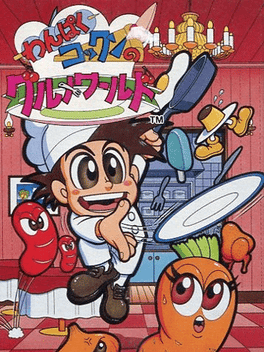
Wanpaku Kokkun no Gourmet World is a 2D platformer. Later released as Panic Restaurant in the West with a changed main character sprite and increased difficulty.Devilish: The Next Possession
1992
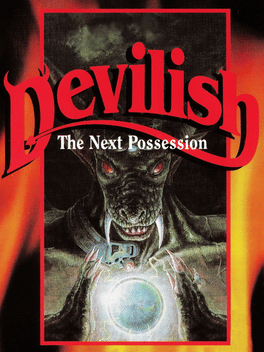
"Devilish" is different from other paddle games by letting you play with two paddles. The lower one behaves just like a usual paddle - you use it to prevent the ball from dropping down. The upper one can move and turn, allowing you to hit the ball from different angles and from different parts of the screen. You advance through levels by destroying bricks and enemies, going up until the level boss enemy appears.Magical Taluluto-kun
1992
Magical Taluluto-kun
1992
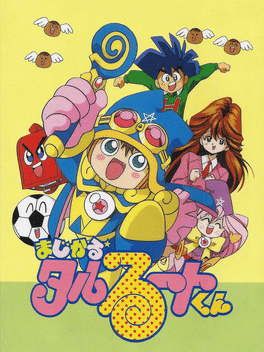
Magical Taluluto-kun is a 1992 action game for the Sega Mega Drive by Sega and Game Freak to tie into Tatsuya Egawa's/Shueisha's Magical Taruruuto-kun manga, which had been recently turned into an anime by Toei Animation. C jumps; C in mid-air lunges forward. By default, B attacks. When standing next to an object, B will grab that object; B again throws it at enemies. Objects can only be used in the area they are found. You get a new magic power after every stage; hit Start to bring up a menu to choose one and A to use.Maka Maka
1992
Maka Maka
1992
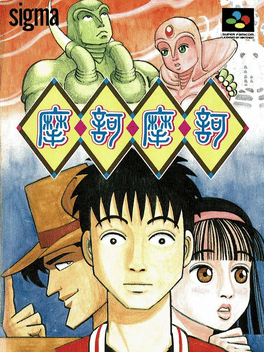
Maka Maka (摩訶摩訶) is a Japan-exclusive role-playing video game which was released in 1992. The characters were designed by Koji Aihara.Heracles no Eikou III: Kamigami no Chinmoku
1992
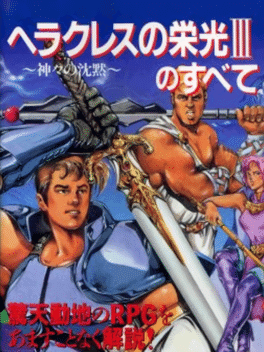
Heracles no Eikou III: Kamigami no Chinmoku is the third installment of the series. Originally released for the Super Famicom, it was released on the Japanese Virtual Console in 2007 and a mobile phone in 2008 by G-Mode. The game's plot and setting are loosely based around various episodes included in Greek mythology. The hero begins the game in a state of total memory-loss, but discovers that he has somehow acquired a mysterious power that shields him from all bodily harm, essentially making him immortal. The only clue the hero has in discovering his own identity is a mysterious dream that he sees every night, and he begins his journey in search of the location shown in the dream. The gameplay borrows various motifs from ancient mythology, particularly the concept of immortality. An immortal character can execute certain actions that other characters cannot, like jumping off high cliffs without being injured. The game's writer, Kazushige Nojima, composed a storyline where the hero encounters the Greek gods whileStar Parodier
1992
Star Parodier
1992
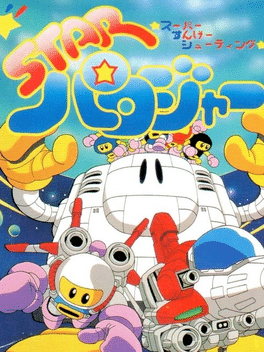
Star Parodier is a vertical scrolling shooter, much like the Star Soldier games, and features many of the same conventions, such as collecting power-ups to upgrade the player's weapons, and facing several bosses and minibosses as they progress through the game. The game also features the 2 and 5 minute high score time attack modes seen in previous games. However, in parodying the hard sci-fi atmosphere of the Star Soldier games, Star Parodier takes a light hearted approach by featuring cute, cartoonish graphics and toning down the violence (for example, defeated enemies wave white flags in surrender). The players choose from one of three craft to play as in the game: the Paro Ceaser from Star Soldier, a giant flying Bomberman or an anthropomorphic PC Engine console that shoots HuCards and CD-ROMs at enemies. The game was originally only released in Japan, though it was also intended to be released in North America under the name Fantasy Star Soldier.Musya: The Classic Japanese Tale of Horror
1992
Action platformer developed by Jorudan and published by Datam Polystar for the Super Nintendo Entertainment System. The game was translated into English by Seta U.S.A.. Musya was released in Japan on April 21, 1992 and in North America in December 1992. The name Musya is romanized by the English translators in the Kunrei-shiki style (Musya) instead of the Hepburn romanization style (Musha).Super Momotaro Dentetsu
1992
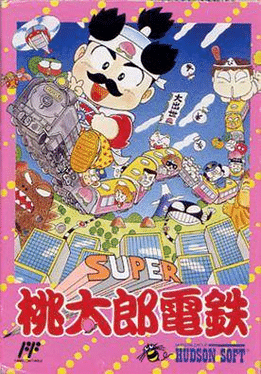
A train-based boardgame for the PC Engine, Famicom, and Game Boy. Super Momotarou Dentetsu is a train and conveyance-based board game with financial elements that features Hudson's Momotarou character, based on the Japanese folklore hero of the same name. It is the second game in the Momotarou Dentetsu series and the first to be released on a 16-bit console - the PC Engine - hence the "Super" in the title. Several years after its PC Engine release, Super Momotarou Detetsu was also released on the Nintendo Famicom and Game Boy. It received a sequel in Super Momotarou Dentetsu II and a large number of successors. The goal of the game is to travel the map and acquire territory through business deals, similar to Monopoly or Itadaki Street. Players have to contend with each other for limited resources, as well as CPU threats like the God of Poverty.Soreike! Anpanman: Minna de Hiking Game!
1992
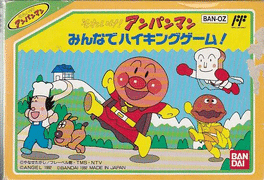
Anpanman travels around the world helping people. But what is Anpanman? He’s a superhero whose head is made out of sweet rolls filled with bean jam. Soreike! Anapanman is a fun board game for the Famicom, based on a cartoon by the same name. It is relatively straightforward and simple to play, with no complex features or obstacles to overcome. There are eight maps and a ninth to unlock, and up to three human players can participate. Join Currypanman and Shokupanman as you try to beat Baikinman!Final Fight Guy
1992
Final Fight Guy
1992
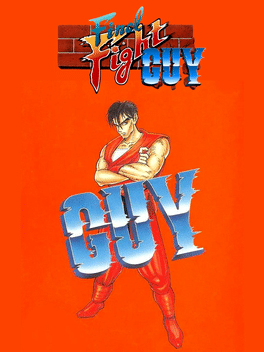
star 7.1Mayor Mike Haggar vows to snatch the streets of Metro City back from the crooks with his bare knuckles! But the Mad Gear Gang snatches his daughter Jessica. Now there's gonna be some bone-crunching dues to pay! The urban ninja Guy hits the streets hard with Haggar, denting heads downtown and slugging it out in the slums. He's a one man army! His weapons are anything he can find -- swords, knives, or pipes. Now you're Haggar or Guy, each with his own fighting style. Demolish gangland henchmen, samurai swordsmen and musclebound crime bosses in a fist-to-nose frenzy!