New Games - Page 11322

Shutokou Battle '97
1997
Shutokou Battle '97
1997
This is the Japan-exclusive Saturn port of Tokyo Highway Battle for the Playstation, where the player took control of 12 different cars and 60 different parts and upgrades available to choose from. There are a variety of tracks to choose from, all recreated to resemble actual Tokyo roads and highways and featured the "Drift" button that allowed the player to take a turn faster. Players can also earn points through this action as well as from winning races to upgrade their car and go head-to-head against the computer or against three CPU opponents. Keiichi Tsuchiya, a racing champion from Tokyo and Masaaki Bando, a top automotive expert from Japan both lent their expertise to the game to ensure authentic handling and physics for each vehicle that was rendered in the game.Umihara Kawase Shun
1997
Umihara Kawase Shun
1997
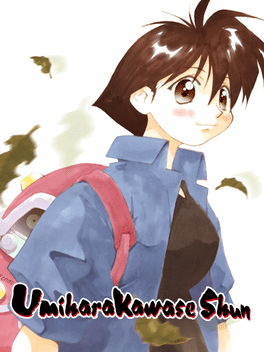
Umihara Kawase Shun is the second installment in the grappling hook-centric Umihara Kawase series. As in the previous game, Shun revolves around traversing levels with only a fishing rod that can attach itself to level geometry and taking advantage of physics to reach seemingly difficult places.Namco Museum Vol. 5
1997
Namco Museum Vol. 5
1997
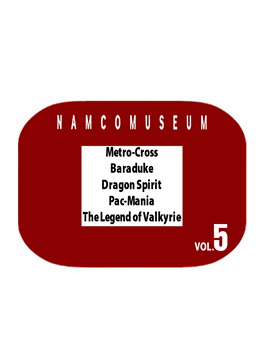
star 8.3Volume 5 for the PlayStation features: Metro-Cross (1985) Baraduke (1985) Dragon Spirit (1987) Pac-Mania (1987) Valkyrie no Densetsu (1989) – renamed Legend of the Valkyrie outside of Japan.Super Bomberman 5
1997
Super Bomberman 5
1997
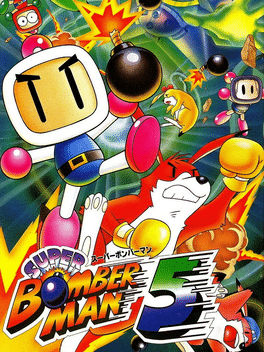
star 9.3An evil Bomber named Emperor Terrorin who has the power of Time itself has freed various criminal Bombers from their prison cells in orbit around Planet Bomber. Setting them up in a warped time and space, Shirobon, Kurobon, and their Louie (Rui) companions must travel through stages and defeat them before going up against Emperor Terrorin himself. Super Bomberman 5, released by Hudson Soft in early 1997, was the final Bomberman game released on the Super Family Computer - the Japanese version of the SNES. The game was released in two variations: a standard cartridge and a gold cartridge, which was sold exclusively through CoroCoro Comic. The gold cartridge included extra maps in battle mode.Nintama Rantarou 3
1997
Nintama Rantarou 3
1997
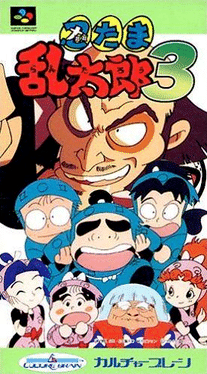
Nintama Rantarou 3 is an Action game, published by Culture Brain, which was released in Japan in 1997.Nanotek Warrior
1997
Nanotek Warrior
1997
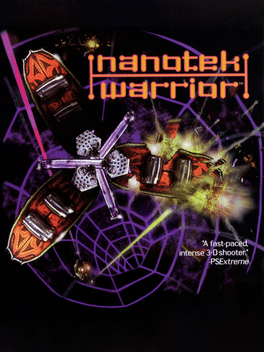
star 8A ground-based shoot-em-up by design, the game employs the use of jumping, banking, and strafing as you move forward through 3D tube-like levels. The game is seem from a third-person perspective behind the ship. Some areas place you outside and some inside, but the majority of the game takes place rotating around tubes. This gameplay only differs slightly in boss levels, that allow you to rotate around a central point with no forward motion. You can obtain different power-ups including special weapons, health bonuses and extra lives as you play through the game’s 9 levels. Each level is divided into 2 stages, one on tubes and a boss fight afterwards.Independence Day
1997
Independence Day
1997
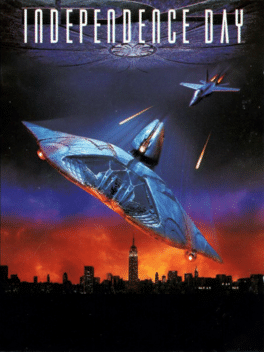
star 2.1Independence Day is a combat flight simulator video game based on the 1996 film of the same name. The game was developed by Radical Entertainment, published by Fox Interactive and distributed by Electronic Arts for Microsoft Windows, PlayStation and Sega Saturn.Quake: Mission Pack 1 - Scourge of Armagon
1997
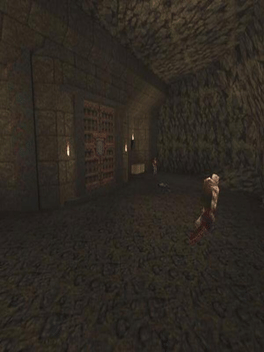
star 8After defeating Shub-Niggurath, you arrive back at your home base on Earth, but it's not all blue skies and butterflies. Apparently, not all QUAKE forces have been subdued. Chaos ensues as you blast your way through the QUAKE minions and toward the infested gateway. Your only choice is to find the source of evil and shut it down. Without any hesitation, and with more guts than common sense, you leap into a portal of unknown destination.POD
1997
POD
1997
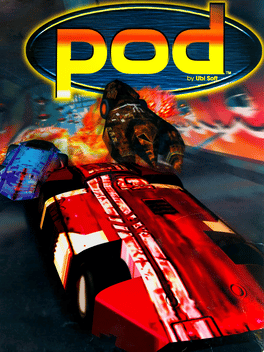
star 7.9POD is a Futuristic Racing by Ubisoft in 1997. It was designed with the Intel MMX processors in mind and was included as a box set on many computers. A retail version called pod 2.0 was also released with support for 3Dfx voodoo, S3 virge and ATIMagic: The Gathering
1997
Magic: The Gathering
1997
star 8.6Magic: The Gathering is a computer game published by MicroProse in April 1997 based on the collectible card game Magic: The Gathering. The game takes place in the plane of Shandalar, where the player must travel the land and fight random enemies to gain cards, and defeat five wizards representing the five colors. The player must prevent one color from gaining too much power, and defeat the planeswalker Arzakon, who has a deck of all five colors. Adventure game and role-playing game elements are present, including inventory, gold, towns, dungeons, random battles, and character progression in the form of new abilities and a higher life point total. An oversized version of Aswan Jaguar was included in the game box.FIFA Soccer 64
1997
FIFA Soccer 64
1997
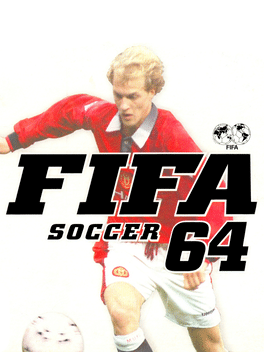
star 3.4FIFA Soccer 64 delivers the intensity and drama of international soccer to the Nintendo 64. You can choose from 150 national and club teams and develop your tactics and strategies in a friendly match. And when the time comes, try to win a Tournament. If you like something more substantial than tournament play, try to win a Season and become a league champion, or skip straight to the Playoffs. Should a friend want to join the action, he can with the Two-Player mode. In all of the game modes, you can play with free-and-loose Arcade rules, or strict referees and penalties in Simulation. Thanks to the motion-captured animation, you'll get smooth and realistic player movement, which helps put you in the middle of the action. Try to become an international soccer sensation with FIFA Soccer 64Rally Cross
1997
Rally Cross
1997
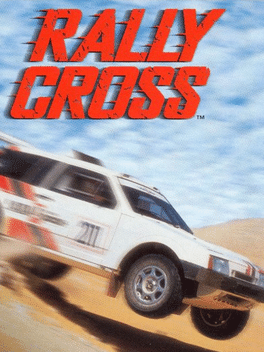
star 6.7Rally style racing lets you perform power slides, end-over-end crashes, rolling your car, crashing into others and forcing cars off the road -- everything damages your vehicle! Compete in a season or tournament mode with three difficulty levels and four perspectives. So what are you waiting for? Rally on!Street Fighter III: New Generation
1997
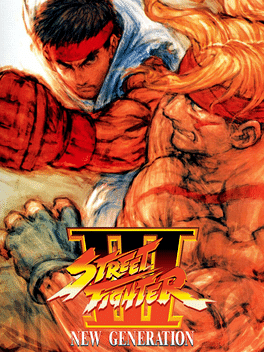
star 7.3Street Fighter III: New Generation is a fighting game in Capcom's Street Fighter series, originally released as coin-operated arcade game in 1997. Street Fighter III was produced for the CD-ROM-based CP System III hardware, which allowed for more elaborate 2D graphics than the CPS II-based Street Fighter Alpha games (the previous incarnation of the Street Fighter series), while revamping many of the play mechanics. The game, which was designed as a direct sequel to Street Fighter II, initially discarded every previous character except for Ryu and Ken (hence the "New Generation" subtitle), introducing an all-new roster led by Alex.Dynasty Warriors
1997
Dynasty Warriors
1997
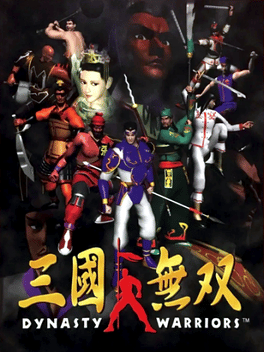
star 6Dynasty Warriors is a 3D fighting game steeped in traditional Chinese history and mythology, its characters being warriors from the Three Kingdoms era, a setting that was used by Koei before in their Romance of the Three Kingdoms series.Ark of Time
1997
Ark of Time
1997
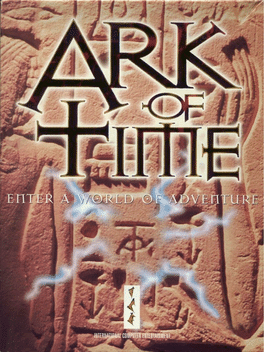
It is the summer of 1997 and somewhere in the Atlantic Ocean a historic event is about to occur. A ragtag team of four intrepid explorers descend to the depths of the ocean in their search to locate and enter the mythological, sunken city of Atlantis. However, something has gone wrong. Four days after the team's last communication, in a frazzled editor's office high above the streets of London, Richard Kendall, our hero, is informed of their disappearance.Turok: Dinosaur Hunter
1997
star 7.4A world where time has no meaning - and evil knows no bounds. Torn from a world long gone, the time traveling warrior Turok has found himself thrust into a savage land torn by conflict.The Epoch Turning
1997
The Lost Vikings 2
1997
The Lost Vikings 2
1997
star 7.9Will the Vikings find their way home across time and space? Will Erik lead his brothers to safety without bonking himself back into thinking he's an iguana? Will Olaf be reunited with his wife and daughters? Will Baleog ever to get a date with Freya, that Valkyrie babe on the "Resume Game" screen? Stay tuned...Spider: The Video Game
1997
star 6In Spider: The Video Game you control a spider that has been implanted with a neural transmitter port, cybernetic legs, and weapon accessories. You begin at a sector map which functions as a blueprint of the research laboratory which you must explore. In order to clear a level, you must collect a required number of microchips. You must also find exits in each area in order to advance to the next level. The spider is always equipped with a Slasher leg and webbing, and he is capable of enhancing his fighting ability with weapons by collecting power-ups. The weapons include homing missiles, flame throwers, boomerangs, and electro-beams. You'll need these munitions to defend yourself against other spiders, cyber-rats, toxic green frogs, and other laboratory pests in this 3-D side-scrolling platform contest.Magical Drop III
1997
Magical Drop III
1997
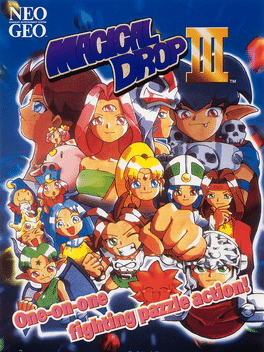
Control a clown to pull in and throw back balloons hurled from the top of the screen. If you line up three or more balloons of the same color in a vertical row, they will burst. If you're not quick enough, the balloons will squash the clown and the game is over. Once you've got the hang of bursting balloons, you'll need to master combos and chains. The third Magical Drop game, first released in 1997, was also developed for the Neo Geo. This games adds representatives for the remaining Tarot Major Arcana, as well as introducing a "daughter" Strength character that more closely resembles the traditional depiction of Strength. The game adds a third button, which allows players to add rows to their field at any time. Additionally, attacks now sends lines to the opponent in non-even rows that vary by character. Hirameki mode is replaced by Adventure Mode, which is a board game that challenges players to reach Empress before CPU-controlled rivals. The English versions of Magical Drop III remove the hardest difficulty se