Most Popular Famicom Games - Page 50

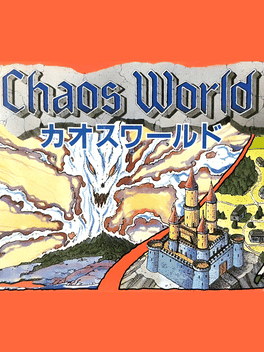
Chaos World
1991
Chaos World
1991
The king's daughter is seriously ill, and the kingdom is plagued by monsters. The king needs you, the offspring of the brave warrior Mars, to go on a journey and to investigate the matter. During this investigation, you uncover a much more sinister plot and must face the dark forces of the world. "Chaos World" allows you to customize your character by choosing one of the several classes, gender, and statistics (you can allocate available skill points at your wish in the beginning of the game). Up to fourteen characters can join your party, and you can recruit people in adventurer guilds. The game also features a day/night cycle.Booby Kids
1987
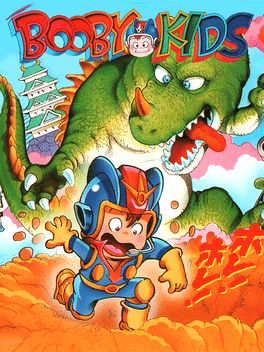
Booby Kids
1987
During the prehistoric era of humanity, cavemen and dinosaurs compete for ultimate supremacy. A young boy has to collect important treasure without being killed by the rampaging dinosaurs. All he can do is attempt to temporarily paralyze them with a specialized dinosaur trap. All treasures must be collected before admittance to the next level is possible. One hit from either a dinosaur, caveman, or other type of enemy instantly kills the player.Hello Kitty no Hanabatake
1992
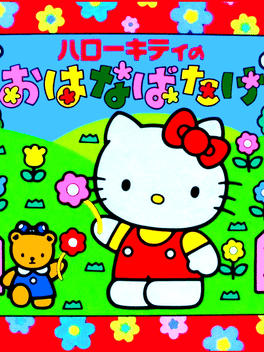
Hello Kitty no Hanabatake is a children's platform game developed by Character Soft, a video game publishing subsidiary of Sanrio, for the Nintendo Family Computer. It was released on December 11, 1992 exclusively in Japan. During the course of this video game, Hello Kitty must water all the flowers in each stage while avoiding the many animals and insects. Kitty's ribbon always stays on the left side of her ear; even if the player changes the orientation of the character. She can defend herself with the use of a large mallet. Running into enemies will make her cry, which causes Kitty to get angry and lose a life. Points in the game are collected as money for the cash register. Allowing the time limit to expire will also cause the player to lose a life. However, there are infinite continues and losing the game score is the only penalty for "game overs." There are 18 stages in the game and the game does not repeat itself after the 18th stage. While the second half of the game is more difficult then the first nine lFinal Fantasy VII
2005
Final Fantasy VII
2005
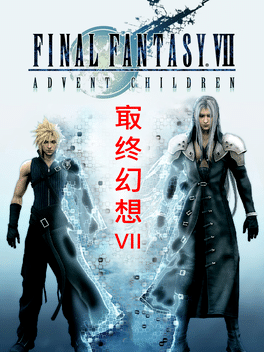
Final Fantasy VII is an unlicensed "Shanzhai" demake of SquareSoft role-playing game of the same name, originally released for PlayStation in 1997. This two-dimensional "port" was developed and published by Chinese company Shenzhen Nanjing Technology for Subor, a Nintendo's Family Computer clone console series (internationally known as the NES). The cartridge itself is unique, as it is structurally different from licensed Famicom cartridges in terms of hardware and programming.Wily & Right no RockBoard: That's Paradise
1993
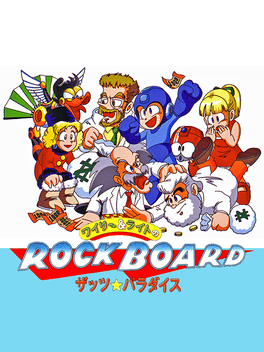
Wily & Right no RockBoard: That's Paradise is a business simulation game in which the player chooses among several characters in the original Mega Man series and competes with other players or the computer AI in purchasing spaces of property. The characters include Roll, Dr. Light, Dr. Wily, Dr. Cossack, and Kalinka. Each participant is given a turn, moving a certain number of spaces on the board. If they land on a property square, they are given the option to buy it with a certain about of Zenny (the game's currency) .They can then charge other characters rent when they land on that building. However, other characters can also buy part of the same square, allowing each owner to charge a smaller amount of rent. Some squares contain cards that cause various effects on the board such as raising property prices or the development level of a building. The game's winning conditions can vary depending on the set rules. The winner may be the character with the most owned spaces, the most remaining Zenny, or the most devel