New Apple Ii Games - Page 16

Fracas
1980
Fracas
1980
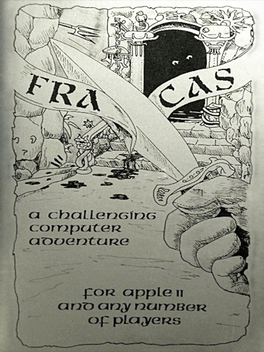
Fracas is Stuart Smith's very first game, using the game system which would later develop into Ali Baba and the Forty Thieves and ultimately Adventure Construction Set. Like those games, it is combat-oriented turn-based RPG and one of its main features is the large numbers of characters, both good and bad, that can get involved in the battles at once. You may control one or more characters in the game, and move them about fighting bad guys and gaining treasures.Tarturian
1980
Tarturian
1980
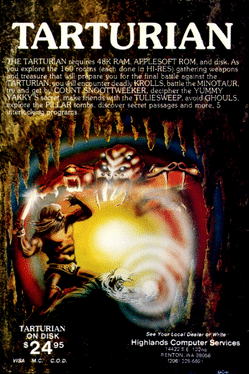
You prepare your characters to to defeat the Tarturian in a final battle. On your way collect weapons, treasures and solve riddles.ABM
1980
Galactic Attack
1980
Galactic Attack
1980
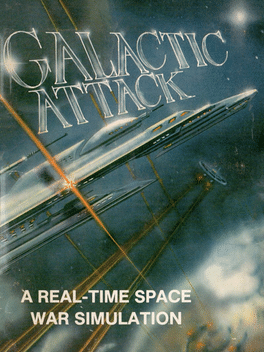
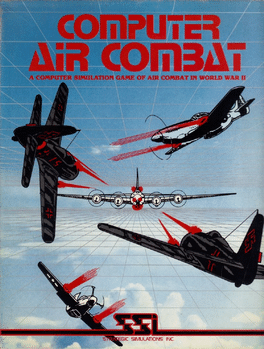
Galactic Attack is a 1980 space combat simulator video game written by Robert Woodhead for the Apple II and published by the company he co-founded, Siro-Tech. It is a single-player adaptation of the game Empire from the PLATO mainframe network.Computer Air Combat
1980
Odyssey: The Compleat Apventure
1980
Turn-based RPG in which the player has to lead an army against an evil wizard.Phantoms Five
1980
Phantoms Five
1980
A vertically scrolling action game written by Nasir Gebelli and published by Sirius Software for the Apple II computers. The player controls the horizontal movement of a plane and has to bomb various targets beneath him.The Prisoner
1980
The Prisoner
1980
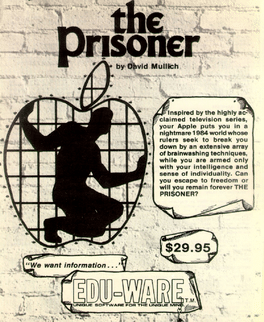
Text-based adventure game inspired by the cult classic British television show about a former spy who is abducted and sent to a resort-themed "prison" where his captors attempt to get him to reveal why he resigned from his classified job. The game takes place on "The Island", where the player travels from building to building, each hosting a metaphorical quest in which the player's creative thinking skills are tested. Players demonstrating individual thinking eventually gain access to the Island's "Caretaker" and their ensuing conversation (using a language parser) can lead to the player's freedom.Crown of Arthain
1980
Crown of Arthain
1980
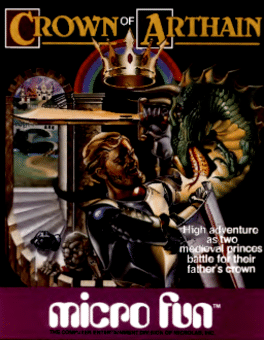
Crown of Arthain is a two-player fantasy game in which the board, a hex map drawn in hi-res graphics with features such as rivers, forests, and a mountain range down the middle, is home for two princes searching for their father's crown.Computer Napoleonics: The Battle of Waterloo
1980
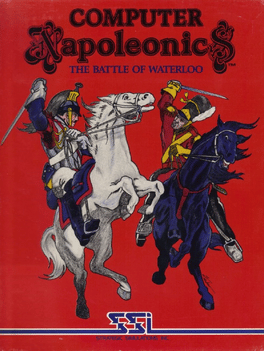
Computer Napoleonics: The Battle of Waterloo is a division level simulation of the Battle of Waterloo. It can be played by one or two players. One player commands the forces on Napoleon while the other player (or the computer) commands the forces of the Anglo-Allied-Prussia armies. Take turns by moving armies in position and engaging in combat. Turns continue this way for ten game turns or until one side has successfully fulfilled its victory conditions. Each game turn lasts about one hour of real time.Super Othello
1979
Apple Bowl
1979
Apple Bowl
1979
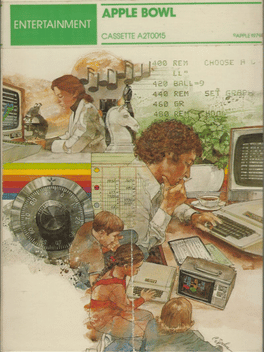
Apple Bowl is a 1-player bowling game for the Apple II. Played from a 1st person perspective at a bowling alley, the player bowls in lane, while occasionally another member at the bowling alley will bowl in lanes. A throw indicator scrolls slowly along the bottom of the screen, and the player starts their bowl when the ball is in their preferred position. The player controls the power and spin of the ball using the game paddles, and the game attempts to accurately simulate the physics of bowling. Follows standard 10-pin bowling rules with a total of 10 frames of bowling.Pro Golf
1979
Pro Golf
1979
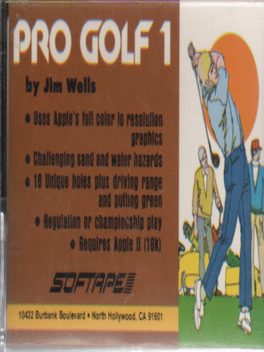
Pro Golf 1 is a single player golf game featuring an eighteen hole golf course. Each hole is drawn using the Apple II's low resolution graphics mode and includes hazards such as water and sand traps. The keyboard is used to play the game. First the player has to enter which club to use and then shots are taken by entering the angle (0-360) of each shot. When putting, the length of the put is also entered. The game consists of three parts: front nine, back nine and an intro. The first two include all the holes of the Silicon Pines Golf Course while the intro program contains instructions as well as a driving range and a putting green.Little Brick Out
1979
Little Brick Out
1979
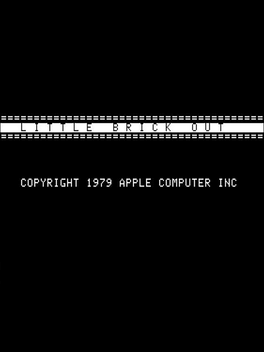
A variation of Breakout that sets the playing field horizontally. Developed by Steve Wozniak.Special Sampler
1979
Special Sampler
1979
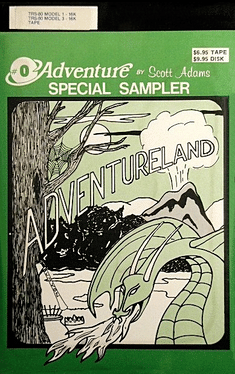
A cut-down version with 3 treasures of the Scott Adam's text adventure "Adventureland".Three Mile Island
1979
Three Mile Island
1979
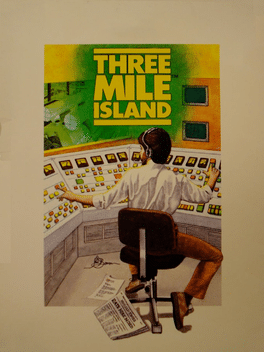
Operate the Three Mile island nuclear power station - balance finances, follow safety procedures, produce enough power... and try to avoid meltdowns.Akalabeth: World of Doom
1979
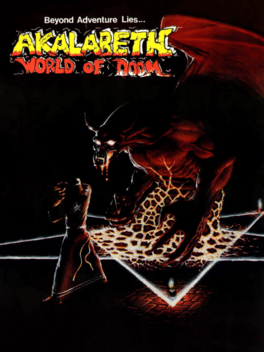
star 4.8In the game, the player character visits Lord British and is instructed by him to kill certain monsters. The final mission is to kill a balrog, and after this has been accomplished, Lord British proclaims that "thou hast proven thyself worthy of knighthood".Wilderness Campaign
1979
3-D Docking Mission
1978
3-D Docking Mission
1978
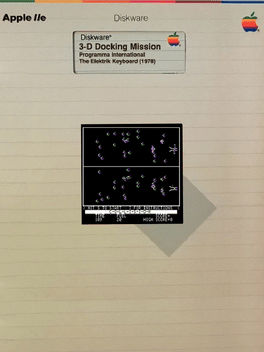
A game where you steer a space ship through an asteroid field to reach a docking station.Depth Charge
1978
Depth Charge
1978
Depth Charge is a simplified variant of Gremlin's arcade game Depthcharge. Like in the arcade game the objective is to sink as many submarines as possible by dropping depth charges from a boat on the surface. What's difference is that the boat automatically moves from right to the left and all the player has to do is to press a single button to drop the depth charges. The boat makes three passes along the surface and the objective of the game is simply to score as many points as possible. More points are earned by hitting submarines at higher depths and upon reaching 600 and 900 points additional passes are given.