New Super Famicom Games - Page 31

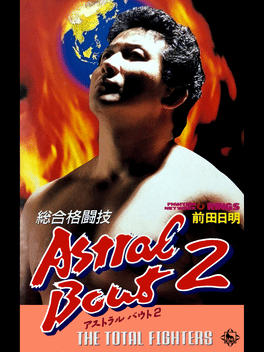
Sougou Kakutougi: Astral Bout 2 - The Total Fighters
1994
Sougou Kakutougi: Astral Bout 2: The Total Fighters is the sequel to Sougou Kakutougi: Astral Bout and like that game features various martial arts experts competing, not unlike MMA. The game is based on a real-life Japanese martial arts TV promotion, Fighting Network Rings. The eight characters represent different martial arts, including wrestling, karate, boxing, Muay Thai and others.Pachi-Slot Land: Pachi-pachi Coin no Densetsu
1994
Pachi-Slot Land is a Miscellaneous game, developed by I.S.C. and published by Carrozzeria, which was released in Japan in 1994.Tetsuwan Atom
1994
Tetsuwan Atom
1994
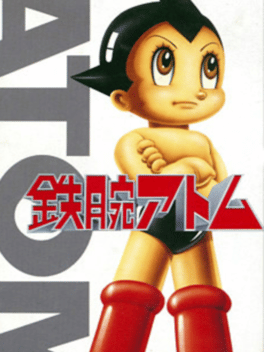
Tetsuwan Atom is an action platformer video-game developed by Zamuse and published by Banpresto and released for Super Famicom on 1994 in Japan. The game is a retelling of the 1952 manga with artworks based in the 1980 series (Uran and Kid Atlas are pretty notifiable). In the story, Atom goes fighting several obstacles like evil robots and monsters.Derby Stallion II
1994
Derby Stallion II
1994
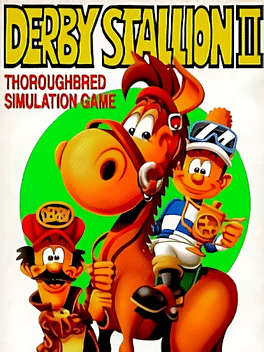
Derby Stallion II is a Sports game, published by ASCII Entertainment, which was released in Japan in 1994.Hiouden: Mamono-tachi to no Chikai
1994
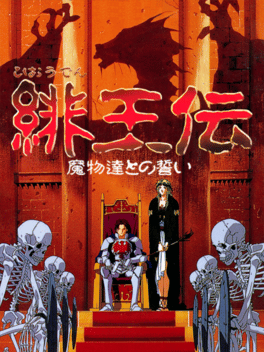
A PC-98 RPG from Wolf Team with an isometric perspective. It later saw an enhanced Super Famicom port.Super Zugan: Hakotenjou kara no Shoutai
1994
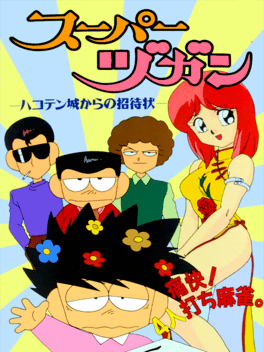
A Super Famicom comedic Mahjong game with an overarching storyline. It was followed by a sequel a few years later.Top Management II
1994
Top Management II
1994
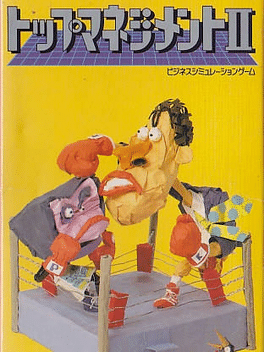
Top Management II is a Strategy game, published by Koei, which was released in Japan in 1994. Players must keep their corporation profitable by any means possible as a corporate executive. This entire video game is in Japanese; making it mandatory to be able to read the language. Frequent corporate meetings keep players aware of what is happening within the company. It is a sequel to Top Management for the Family Computer and NEC PC-9801. A typical game of Top Management begins in the year 1980. Starting in the first week of April, players must participate in strategic corporate meetings in order to guide the focus of the company into certain Japanese prefectures. Buying and selling is done on the Tokyo Stock Exchange in order to improve profits for the entire corporation. Employees can be hired, fired, or laid-off during these important meetings.Super Fire Pro Wrestling III Final Bout
1994
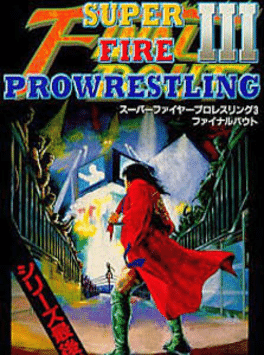
The third Super Famicom game in Human's highly technical wrestling series. It was re-released the following year with easier controls as "Super Fire Pro Wrestling III: Easytype".Itou Hatasu Mu-dan no Shogi Dojo
1994
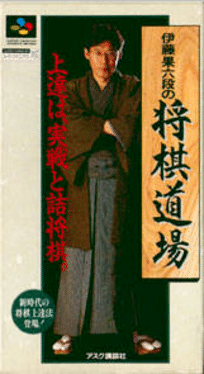
Itou Hatasu Mu-Dan no Shougi Dojo is a Miscellaneous game, published by ASK, which was released in Japan in 1994.Gaia Saver: Hero Saidai no Sakusen
1994
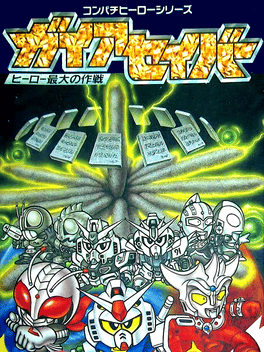
Gaia Saver is a Role-Playing game, developed by Arc System Works and published by Banpresto, which was released in Japan in 1994.Bastard!! Ankoku no Hakaishin
1994
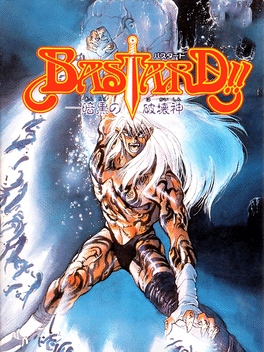
A fighter game released for the Super Famicom in 1994. It is based on the heavy metal-inspired manga and anime of the same name.Tetris Battle Gaiden
1994
Tetris Battle Gaiden
1994
Tetris Battle Gaiden is a competitive puzzle-battle game, similar to games such as Puzzle Fighter or Puyo Puyo. One can play against a friend or the Computer in a story mode. There is also an included Rensa mode, which ensures a more hyperactive game due to increased gravity. The player can choose from a list of characters in the story mode, including a Dragon or a pumpkin named Halloween.Pachinko Wars 2
1994
Pachinko Wars 2
1994
Pachinko Wars 2 is a Miscellaneous game, developed by OeRSTED and published by Coconuts Japan, which was released in Japan in 1993.Hisshou 777 Fighter: Pachi-Slot Ryuuguu Densetsu
1994
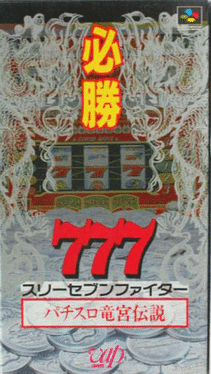
A pachi-slot (slot machine) simulator game for the Super Famicom. The title refers to the mythical Sea Dragon Palace of Japanese folklore.Hisshou 777 Fighter
1994
Hisshou 777 Fighter
1994
Hisshou 777 Fighter is a Miscellaneous game, developed by Jorudan and published by Vap, which was released in Japan in 1994.World Class Rugby 2: Kokunai Gekitou-hen '93
1994
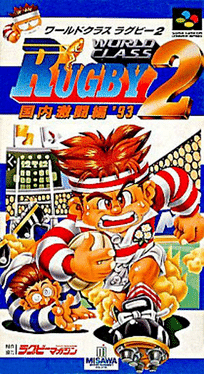
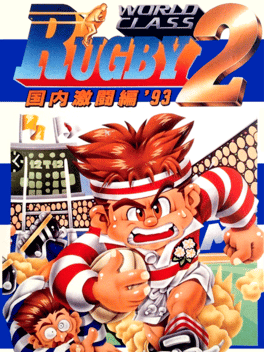
A Super Famicom exclusive rugby game and the sequel to World Class Rugby.World Class Rugby 2
1994
World Class Rugby 2
1994
World Class Rugby 2 is a Sports game, developed by Denton Designs and published by Misawa, which was released in Japan in 1994.Get in the Hole
1994
Get in the Hole
1994
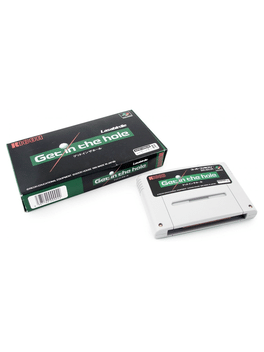
Get in the Hole is a Super Famicom golf game for use with the Ricoh Lasabirdie peripheral.Shin Mahjong
1994
Shin Mahjong
1994
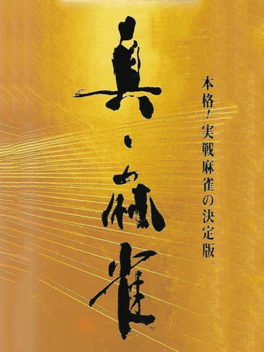
Shin Mahjong is a Miscellaneous game, published by Konami, which was released in Japan in 1994.