New Arcade Games - Page 118

Champion Baseball 2
1983
Champion Baseball 2
1983
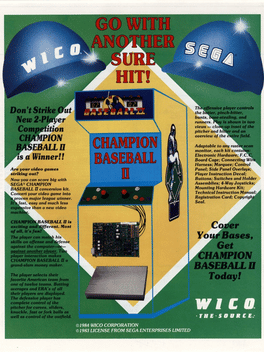
A one- or two-player baseball game. The umpire sounds really Japanese. Champion Baseball 2 was produced by Sega in 1983. Sega released 593 machines in our database under this trade name, starting in 1960. Sega was based in United States. Other machines made by Sega during the time period Champion Baseball 2 was produced include: Character Cabinets, Oh Shou Serizawa 8dan no Tsume-Shougi, Zoom 909, Zektor, Tac/Scan, Astron Belt, Champion Baseball, Champion Boxing, Commando (Sega), and Congo BongoIntrepid
1983
Cluster Buster
1983
Change Lanes
1983
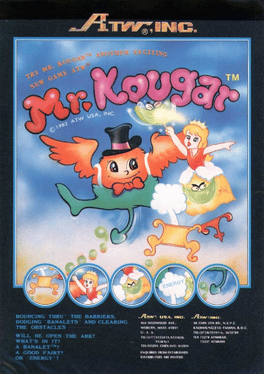
Mr. Kougar
1983
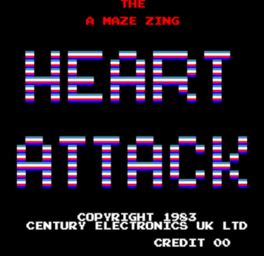
Heart Attack
1983
Heart Attack
1983
A maze game in which you can ward off enemies by utilizing freezes, which freeze the enemies in place, and plugs, which act as a temporary barrier.Botanic
1983
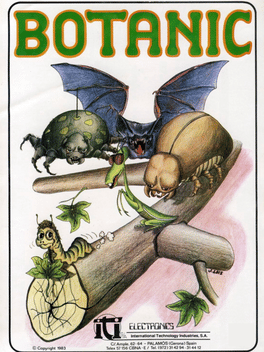
Botanic
1983
A maze game where the player controls a caterpillar, traversing branches of a tree and eating leaves. The leaves obscure various junctions in the maze, so you are not sure if you’re going to hit a dead end until you munch the leaf. Enemy bugs are hunting you as you navigate the levels, but there is a power up you can collect that works like the power pills in Pac-man and allows you to chase and eat the enemies for a short time.Bongo
1983
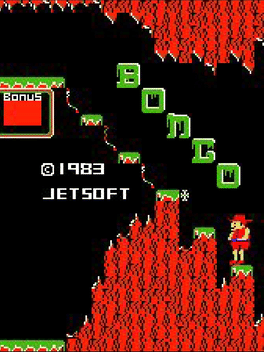
Bongo
1983
As an explorer you have to avoid a red dinosaur as you try to get from the left of a huge cavern and traverse 27 screens to the right. As you move through each screen, various obstacles must be avoided such as falling rocks, lava and birds. If you dawdle for too long, the dinosaur appears behind you and chases you until you make it to the end of the screen. There are also treasures to collect and if you get six in a row without dying you receive a bonus. On the last screen, you need to try and trap the dinosaur in a cage.Dacholer
1983
Saturn
1983
Minefield
1983
Mazer Blazer
1983
Mazer Blazer
1983
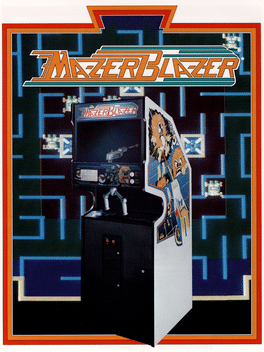
Zap the "cosmic attackers" before they reach your base. Slow the enemies by shooting the flashing blocks which open a force field.Swinging Singles
1983
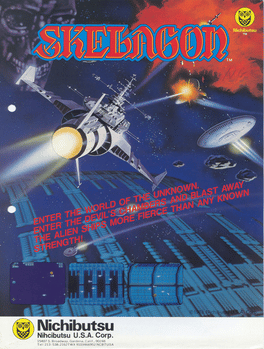
Skelagon
1983
Journey
1983
Journey
1983
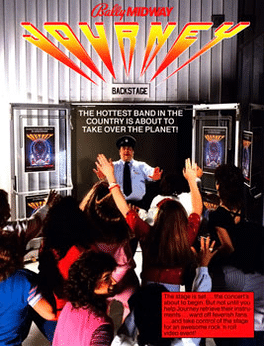
Journey is an arcade game released by Bally Midway in 1983. Rock band Journey had enjoyed major success in the early 1980s, and Bally/Midway decided to ride this wave of popularity by creating an arcade game based on the group. Its release was intended to coincide with a US tour by the band.Ice Cold Beer
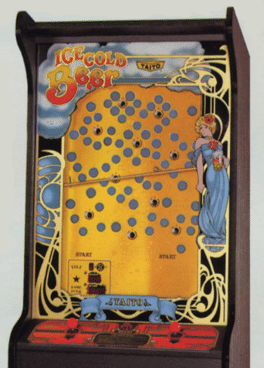
1983
Goal to Go
1983
Goal to Go
1983
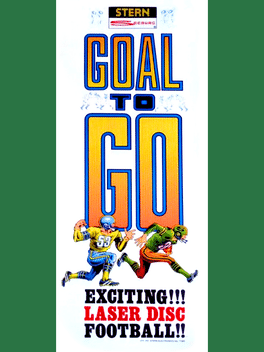
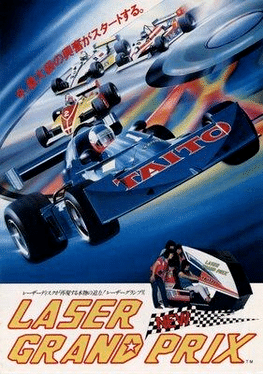
A laser disc arcade game from Stern Electronics. Control the plays and watch them develop onscreen.Laser Grand Prix
1983
NFL Football: San Diego Chargers/Los Angeles Raiders
1983
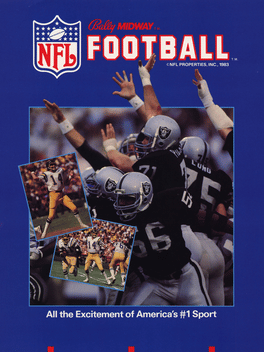
NFL Football: San Diego Chargers/Los Angeles Raiders was an RDI Halcyon game that used footage of a game between the Chargers and the Raiders. NFL Football was produced by Bally Midway in 1983. You are rather like the Head Coach. Choose the plays then watch the players run those plays.Popper
1983