Most Popular Ps3 Games - Page 424

Blast Chamber
1996
Blast Chamber
1996
Welcome to The Blast Chamber. Your challenge is simple: survive the game! Before entering the chamber you should familiarize yourself with the competition and the chamber itself. Your efforts will determine whether you succeed and are rewarded with fame and glory - or fail in a flaming burst of C4.Swaperoo
2016
Swaperoo
2016
Swapperoo - The friendly puzzle game intent on your defeat. The rules are simple: tap an arrow to move it in the direction it faces. Make a row of 3 tiles of the same color and the tiles disappear. If that sounds too easy, don’t worry – this game can be devious and you’ll find yourself in situations that require clever manipulation of the game board. There’s an assortment of objectives to keep you on your toes: tiles that chase you, tiles that must be matched within a few moves, tiles that must be protected, and lots more. As well as 38 free-form stages which play out differently every time, we have created 75 challenges with unique solutions, so the game is crammed with content to keep you busy!Dark Realm 2: Princess of Ice
2015
Mad Head presents the exciting continuation of the Dark Realm story line! This time, a magic bear summons you to help save the neighboring kingdom of Nypha. Find out what has Nypha and its princess trapped in a death grip of cold. As a fire-wielder, you have a few tricks up your sleeve, but the bear's given you some special abilities too! You'll be thrilled by the fun new Match-3 mechanic and enjoy adventurous interactions along the way. Learn more about the icy curse in the bonus chapter Find crowns and morphing objects hidden throughout Achievements, jigsaw puzzle, character gallery, and more Includes a comprehensive Strategy GuideMuseum Madness
1994
Museum Madness
1994
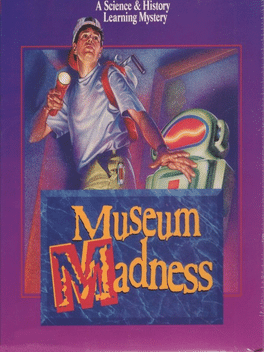
Museum Madness is an educational computer game for the PC (DOS) and Macintosh developed by Novotrade for MECC, and was released in 1994. The game is based in an American natural history museum and aims to teach the player many aspects of history such as technology, geology, space, American history, and prehistory. PC Magazine described the game as having kids learn about educational topics (i.e. ecology) while making logical deductions in a series sequence and solving puzzles.[1]Crystal Mines II
1992
Crystal Mines II
1992
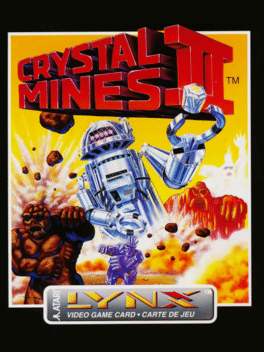
Great treasure still lies deep in the abandoned Crystal Mines. But over the years, underground demons have made them deadly. Guide your robot through the mines, destroying demons and gathering great wealth. Or fail, and become history. Crystal Mines II is an update of the gameplay in its predecessor; in a nutshell, overhead puzzle-solving best described as Chip's Challenge meets Boulder Dash, with a touch of real-time elements thrown in.Astro Grover
1983
Astro Grover
1983
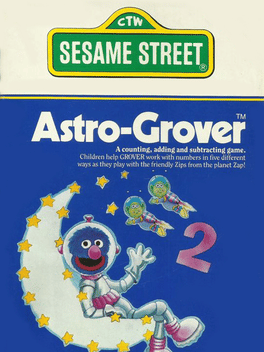
Astro Grover (along with Muppet Go-Round and Big Bird’s Hide and Seek) was part of Atari’s planned children’s line of games for the Atari 5200. These titles would have utilized the 5200 Kid’s Controller, which was actually just a giant keypad that would have easy for children with small hands to use. However, while the 2600 children’s line was released (featuring completely different games), the 5200 games and controller never saw the light of day. The games were however eventually released by CBS on the Atari 8-bit computers and the Nintendo Entertainment System, although some were slightly retooled. As you may have guessed, Astro Grover is an educational game featuring that lovable blue demon Grover. Although the title suggests a game about discovering the solar system, Astro Grover is really about counting and numbers. Atari simply borrowed Grover’s astronaut persona from the reoccurring skits on Sesame Street to make it more interesting. Astro Grover consists of five different mini-games offering uBouncing Ball
1991
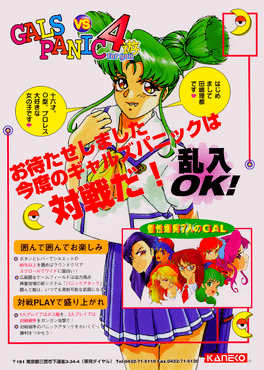
Gals Panic 4
1997
Egg Hunt
1995
Twinkle
1997
Flash Point
1989
Flash Point
1989
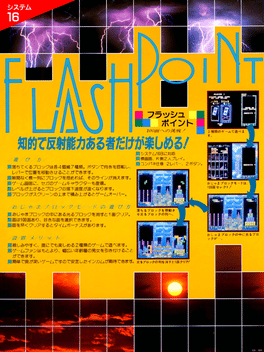
Flash Point is a variant of Tetris, with the various shapes of the tetrominos and their rotation are identical to Sega's Tetris . What makes the game different from a standard Tetris clone is its objective; each stage already contains a pattern of blocks, usually arranged as symbols, characters, or other images. Among these blocks are several bombs. The goal is to make these bombs detonate by clearing out the rows they are in. Once all the bombs have been detonated, the stage "explodes", and the player advances to the next one.Pieces
1994
Pieces
1994
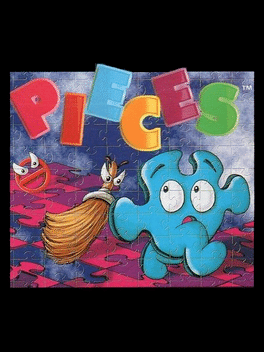
Pieces is a new take on Jigsaw puzzles by mixing it with Tetris. Players take pieces of a jigsaw and fit them into the proper outlines on the puzzle to form a picture. Players can compete in the Jigsaw Mode which allows up to five friends to compete against each other, by taking turns, in a race against time depending upon the difficulty setting (four total). Players can also compete against the computer, complete with power-ups that can help the player such as "Sweeper" which takes away half of their opponents completed puzzle. There are eight different categories of puzzles to choose from ranging from sports themes to global locations, each with eight puzzles ranging 36 to 60 pieces in size.Pac-Panic
1995
Pac-Panic
1995
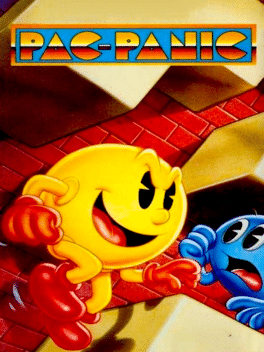
Much more than the return of the ghost-chompin' legend, PAC-PANIC is a think-fast challenge and a puzzle game, too. As the blocks, you gotta think quick and move quicker, to line 'em up and make 'em vanish.Text Tiles
1992
Text Tiles
1992
Text Tiles is a fast-paced word spelling strategy game. Use the given letters to spell words horizontally or vertically. The longer the words, the more points you get. Spell two or more words at the same time for an extra bonus! The clock is always ticking, so use your time wisely. If you don’t place a letter quick enough it will turn into a block. Then you’ll have to work around it!Fantasia II
antasia II was produced by Comad in 1997. Comad released 16 different machines in our database under this trade name, starting in 1990. Other machines made by Comad during the time period Fantasia II was produced include Beach Festival, Funny Bubble, Let's Dance Type 2, Beat Player 2000, Let's Dance Type 1, Miss World '96, Air Attack, Gals Pinball, Las Vegas Girl (Girl '94), and Jump Kids.Tetris Elements
2004
Tetris Elements
2004
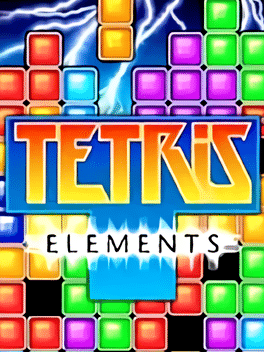
A version of Tetris that consists of a different game modes, each based on the elements: Fire, Earth, Tempest(Wind), Ice. Classic Tetris included. Includes Hold Mechanic made popular by Tetris Worlds.Gambler Jiko Chuushinha 2 Gekitou! Tokyo Mahjong Land-hen
1993
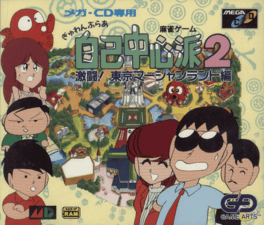
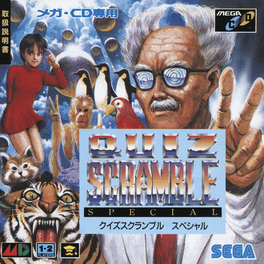
Gambler Jiko Chuushinha 2: Gekitou! Tokyo Mahjong Land-hen is a Sega Mega-CD sequel to Gambler Jiko Chuushinha.Quiz Scramble Special
1992
Quiz Scramble Special is a Sega Mega-CD quiz game released exclusively in Japan.Factory Panic
1991
Factory Panic
1991
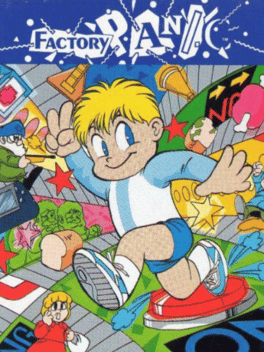
Sneak into the factories owned by a vicious tycoon and get the quality products to the people who rightfully deserve them!