New Playstation 3 Games - Page 296

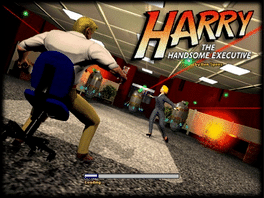
Harry the Handsome Executive
1997
Harry the Handsome Executive is a shareware action game published by Ambrosia Software. Players must slip into the modestly priced loafers of Harry (the handsome executive) as he pilots his state-of-the-art swivel chair into battle against AOL disc throwing coworkers, killer robots, and the upper management of ScumCo itself.Tetris for Windows CE
1997
Tetris for Windows CE was a game released for various devices running Windows CE.Lights Out
1997
Lights Out
1997
A puzzle game for the Game.com. Based off of the electronic toy game of the same name.Tetris Plus 2
1997
Tetris Plus 2
1997
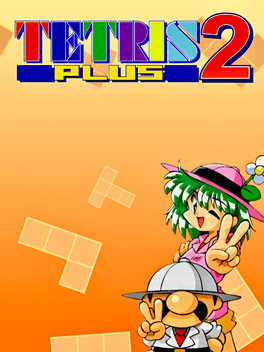
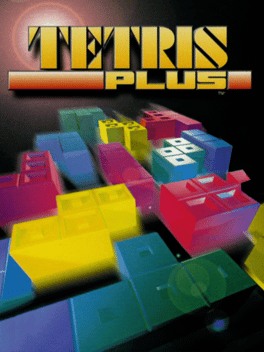
A puzzle game where you arrange the bricks to make horizontal rows of bricks so an explorer can get to the exit.Tetris Plus
1997
Money Idol Exchanger
1997
Jangou Simulation: Mahjong-dou 64
1997
Jangou Simulation: Mahjong-dou 64 is a Miscellaneous game, developed by Art and published by Video System, which was released in Japan in 1997.Pastel Muse
1997
Lose Your Marbles
1997
Lose Your Marbles
1997
Lose Your Marbles is a puzzle game where the goal is to create matches of colored marbles to fill either the CPU's or another player's board with marbles.Tetrisphere
1997
Tetrisphere
1997
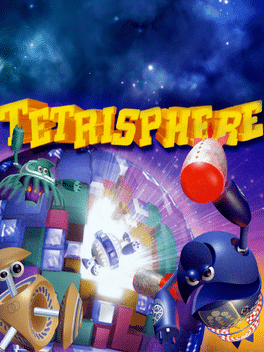
star 8.4Tetrisphere is a variant on Tetris in which various shapes are shifted across a wrapped three-dimensional grid resembling a sphere, and then destroyed. The objective of the game changes depending on the mode, but generally consists of removing layers of shapes to reach the playing field's core. Despite very little domestic advertising, Tetrisphere enjoyed moderately good sales and a mostly favorable critical reception. Reviewers praised the game's originality and the musical score composed by Neil D. Voss.The Bombing Islands
1997
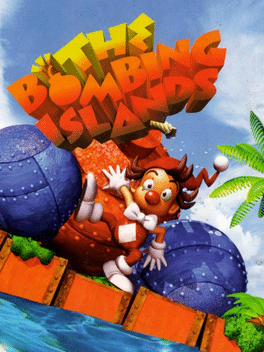
The Bombing Islands
1997
Clown World is in trouble. Mysterious blue bombs have appeared all over the planet, and King Clown needs help. In a royal decree, the king beckons for Kid Clown, a hero of past Kemco games, to clean up these bombs in all six continents. The strange, yet brave little clown sets out to blast the bombs away before the planet explodes. Clearing these bombs will not always be easy, as they have been arranged in puzzles across 60 different levels. Kid Clown must act wisely, because each level has only one igniter bomb that can detonate the bombs surrounding it. To successfully complete a level in one try, Kid Clown must arrange the bombs so that a chain reaction takes place. He also has to get a safe distance away from the reaction or he will explode.Amazing Animals Activity Center
1997
Explore the woundrous world of animals in ten fun-packed activitiesCu-On-Pa BS Ban
1997
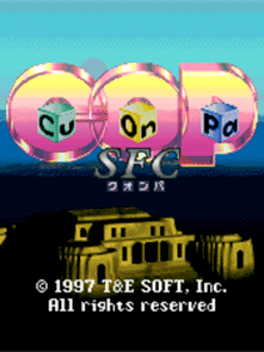
Cu-On-Pa BS Ban
1997
Cu-On-Pa BS Ban is a Downloadable game for the Satellaview that was broadcast in at least 2 runs between June 29, 1997 and December 19, 1998. Between its first broadcast and August 2, 1997, a related magazine entitled Cu-On-Pa BS Ban Seiseki Magazine was broadcast alongside Cu-On-Pa.Magical Drop III: Toretate Zoukangou!
1997
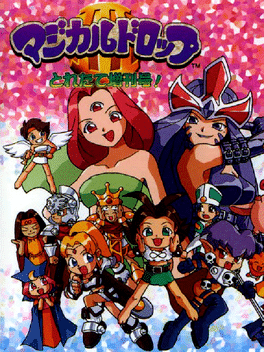
The Saturn version of Magical Drop III, named "Magical Drop III: Toretate Zoukangou!", features slower gameplay, different drop patterns (including some balloons generally reserved for single-player modes), different Challenge Mode progression, and longer cutscenes.Puzzle Arena Toshinden
1997
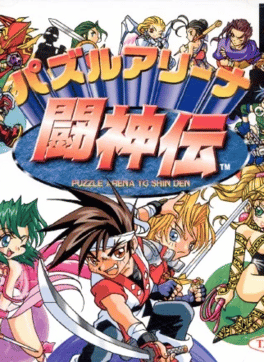
Puzzle Arena Toshinden takes the furious fighters right out of the ring and into the world of puzzle games! The game plays out much like the Puyo Puyo series by Sega. Connect 3 balloons of the same color to make them disappear. Get combos to have black pieces fall on the opponent's side that are harder to get rid of.Tokimeki Memorial: Taisen Tokkaedama
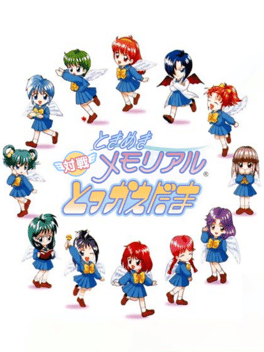
1997
Puzzle game featuring characters from Tokimeki Memorial series.Bakaru: Lendas Indígenas Brasileiras
1997
Bakaru: Lendas Indígenas Brasileiras is an interactive CD-ROM that contains eight stories about Brazilian folklore, as well as some mini-games.Smart Games Puzzle Challenge 2
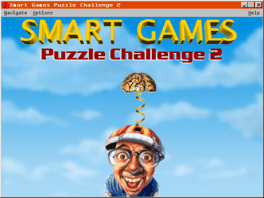
1997
A collection of 20 different puzzle games, each with multiple scenarios.Cube Battler: Anna Miraiden
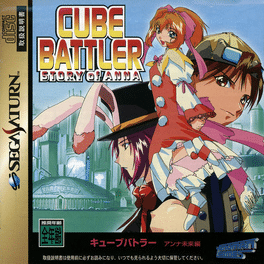
1997
A puzzle game for the Sega Saturn. It is the sequel to Cube Battler: Debugger Shou-hen.Math for the Real World
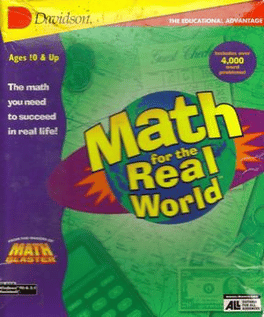
1997
The player manages a rock band and must secure funds to producing music videos and become successful by managing the budget efficiently. This is achieved by completing objectives like keeping on schedule and ensuring the van does not run out of fuel.