Most Popular Platform Games - Page 333

Cave Dude
1993
Cave Dude
1993
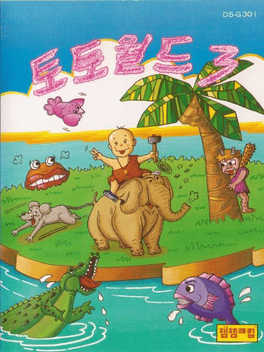
Originally released as Toto World 3, Cave Dude is a 2D Platformer game, developed by Open Corp and published by Daou, which was released in Korea in 1993.Mr. Wimpy
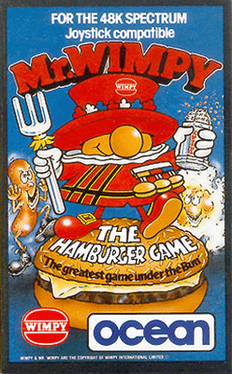
Mr. Wimpy is a platforming video game released by Ocean Software in 1984. The game was intended to be a promotional tie with Wimpy restaurants as their logos, company mascots, and theme tunes were reproduced. The game was released on the Oric 1, ZX Spectrum, BBC Micro and Commodore 64. The gameplay is similar to the video game BurgerTime.[1] Gameplay[edit] At the start of the game, Mr. Wimpy has to cross his kitchen while avoiding moving manholes to get to the larder so that he can collect ingredients and make his burgers. As an added hazard, a character called Waldo tries and steal these ingredients from him.[2] After the opening level, the game becomes a traditional platform game where the player must guide Mr. Wimpy across the platforms while walking over four various burger ingredients, which in turn causes them to crash to the platform below and finally to the four plates at the bottom.[2] Mr. Wimpy must also avoid various enemies in the guise of walking sausages, eggs, pickles, and spoons. Players have the aSuper Tempo
1998
Super Tempo
1998
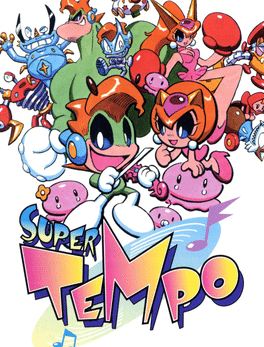
Tempo now teams up with its eponymous host and his girlfriend Katy to rescue the Prince of Music World from Planet Technotch.Worse Things Happen At Sea
1984
You have to succesfully steer your ship from port to port while sealing up leakages at the same time.Chip-chan Kick!
1996
Chip-chan Kick!
1996
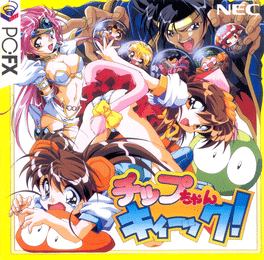
This is a platform game similar in style to Bubble Bobble and particularly to Parasol Stars. There are two playable characters, both of which are little girls. There is no difference between them gameplay-wise: both use a large blob-like animal to hit enemies from a short distance in a yo-yo-like fashion. It is possible to choose one of them as a single player, or to use them both cooperatively in the two-player mode.Christmas Crisis
1995
Christmas Crisis
1995
DIMA's first full blown platformer game for the CD-i and the first installment in the series. It's quite common to find other CD-i reference lists quote Christmas Crisis and Christmas Country as one of the same game however this is not the case and two entirely unique games were released by the same developer. Christmas Crisis was the first release in 1995 under the developers name DIMA which chaged to Creative Media when Christmas Country was released in 1996.The Amazing Spider-Man: Web of Fire
1996
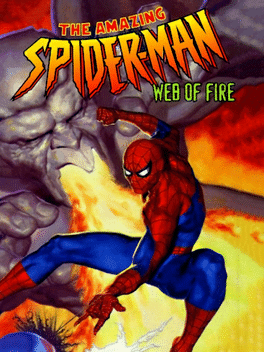
A massive electrical plasma grid has shrouded New York City in a blanket of hysteria and destruction. Skyscrapers are crumbling. Civilians are frying. It's only a matter of time before The Big Apple becomes the Baked Apple. Who will prevail, The Net or The Web?Super Magnetic Neo
2000
Super Magnetic Neo
2000
In Super Magnetic Neo, a gang lead by evil, foul-mouthed baby Pinki has taken over Pao Pao Park. The professor must stop her, so her sends Super Magnetic Neo, a little boy robot with a powerful electromagnet on his head. You must use all these skills to make it through all four sections of Pao Pao Park and defeat Pinki.Normy's Beach Babe-O-Rama
1994
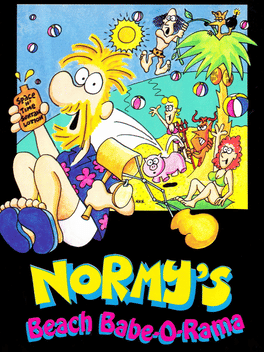
Normy is one popular surfer, especially with the ladies on the beach, however one day a UFO appears and kidnaps all the ladies on the beach and it is up to Normy to travel to 29 different alien worlds to bring them back to Earth. The gameplay is a side-scrolling action game, controlling Normy and fighting off various bad guys scattered throughout the stage using weapons such as glove extending hammers or beaver mallets. There are also puzzles that need to be solved at times to advance on, various pitfalls and traps to avoid, and six different bosses to fight.Sonic Crackers
Sonic Crackers is an early prototype build of the game Knuckles' Chaotix, incorporating many of the elements that would appear in the final game. Its name comes from a peculiar, and clearly quickly made, ASCII-art title screen. Sonic Crackers is thought to be an engine test, composed of various different game engines, which are swapped out using RAM coding. The game features Sonic and Tails, who, in the main demonstration of its link to Knuckles' Chaotix, are held together by rings that they carry and that are joined by an elastic force. Also, Sonic can pick up Tails and throw him upwards, to make it easier to reach higher platforms. The stages and music are also similar to those in Chaotix. There are no sound effects at all during gameplay. There are no badniks to be found, however there are spikes, and you lose rings when hitting them (even though you have none).Aworg: Hero in the Sky
1991
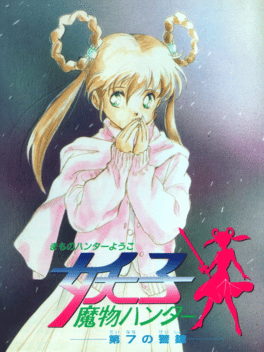
Aworg: Hero in the Sky is an action game for the Sega Mega Drive, released exclusively in Japan via the Sega Game Toshokan service.Mamono Hunter Youko: Dai 7 no Keishou
1991
For centuries, the Mano family has been slaying demons. Yohko's grandmother, Madoka, is the 107th Devil Hunter, and Yohko's mother, Sayoko, would have been the 108th, but for a small hitch: A Devil Hunter must be a virgin to take on the power and responsibility. Sayoko became pregnant before Madoka could reveal the family's secrets, and so the job fell to Yohko Mano, Sayoko's daughter, who is placed as the 108th Devil Hunter. Now as a Devil Hunter, Yohko must face off against demons while trying to live her life as a boy-crazy schoolgirl.Wani Wani World
1992
Wani Wani World
1992
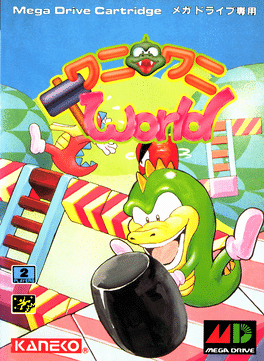
Wani Wani World is a reskinned Berlin no Kabe released by Kaneko in 1992 exclusively on the Sega Mega Drive. Charlie and Smiley, make their way through numerous screens of platforms and ladders filled with enemies. Their only method of attack is to bash a hole in the ground, wait for an enemy to fall into it, and then bash the enemy in the head, which causes the enemy to fall and transform into items and delicious food.Squirrel King
1994
Squirrel King
1994
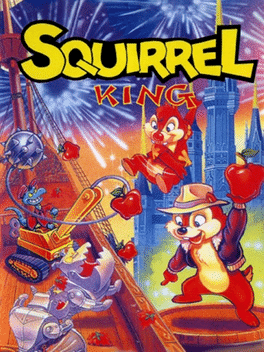
Squirrel King is an unlicensed platform game developed for the Sega Mega Drive. It was published and developed by Gamtec, and therefore its origin is Taiwan. Squirrel King is extremely similar to Capcom's Chip 'N Dale: Rescue Rangers and it sequel, Chip 'N Dale: Rescue Rangers 2 for the NES, to the point where the player actually plays as two characters named "Chip" and "Dale" (though they look slightly different to their Disney counterparts). C jumps, B picks up and throws crates, and A allows Chip or Dale to throw fireballs, assuming they have some in their inventory. Squirrel King is the basis for another unlicensed title, Super Mario World, also for the Mega Drive,but developed by Chuanpu and possibly published by Ming Super Chip Electronic.Tiny Toon Adventures 3
1996
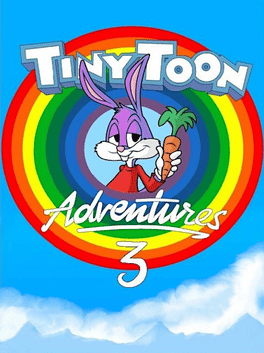
Tiny Toon Adventures 3 is an unlicensed Sega Mega Drive platform game, first released in 1996. Despite its name it has no relation to the cartoon show, instead following "Clever Rabbit" on his quest to save his animal friends from "The Prince of Darkness".Doctor Robotnik's Creature Capture
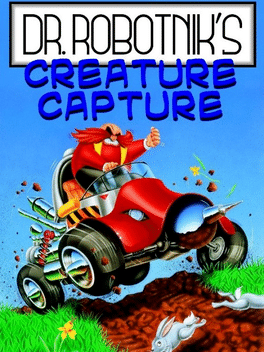
2012
This is a hack which changes Sonic the Hedgehog for Genesis into a entirely different game with new gameplay. It stars Dr. Robotnik whom must capture creatures with a net and put them in creature capsules. The graphics are the same as previous Sonic games but the rest is mostly changed. Most levels are open by default.Pocket Monster
2000
Pocket Monster
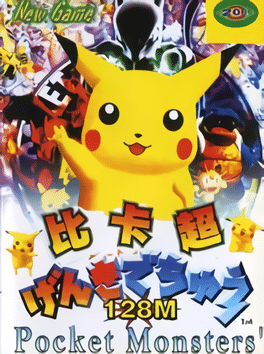
2000
Pocket Monster is an unlicensed platformer based off the Pokémon series for the Mega Drive and SNES. Like the Famicom pirate, players control Pikachu through numerous side-scrolling levels with a boss at the end of each. Although some of the enemies encountered are Pokémon such as Beedrill, Porygon and Diglett, the others are taken from Magical Taluluto-kun, Syd of Valis, and Super Metroid with different palettes.Pocket Monster II
2001
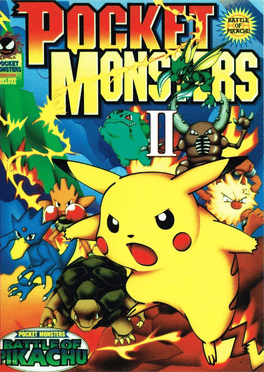
Pocket Monster II
2001
Pocket Monster II is a platform game for the Mega Drive, probably made by DVS Electronic Co., and the sequel to Pocket Monster, also by DVS. Unlike the first game, no SNES port has yet been discovered. This game is a significant improvement over the original. The artwork and audio has improved since the first game, though the former is still mostly stolen from other games. The music is mostly remade from the Japanese Pokémon TV series, with songs including the original Japanese opening theme (Stage 1 and Stage 4) and the ending theme of the pilot. (Boss theme.)Frog Dude
Frog Dude is a cancelled platformer that was in development by Twilight for Genesis / Mega Drive in 1993. The game was never officially announced but, in 2014, Gamesthatwerent contacted Andy Swann, the lead programmer of Frog Dude, which shared a short playable demo of the game. The main character was a strange man who used a mace to attack and could transform himself into a long-tongued frog. There is nothing to interact with, no enemies to fight, and no sound effects or music. However, at least a nice cut-scene welcomes players at the beginning of the prototype.Metal Sonic Hyperdrive
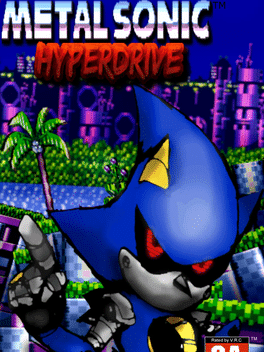
2011
Metal Sonic Hyperdrive is a modification of Sonic the Hedgehog that stars Metal Sonic as the main character role - more specifically a reprogrammed Metal Sonic. The hack also features other characters besides Metal such as: Sonic,Lone Devil (KAZ),Kirby, and even Somari! Each coming with their own unique abilities: Metal can use the Super Peel-Out, and Maximum Hyperdrive Attacks, Sonic can Spindash in traditional fashion. Somari can spindash, but in a less traditional fasion, Lone Devil can use his Sythe to attack and freefall, and Kirby can inhale enemies, no copy abilities.