New Adventure Games - Page 486

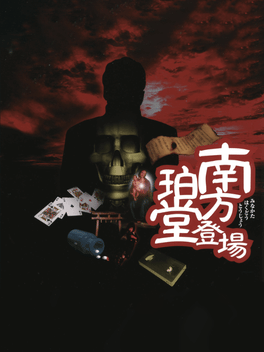
Minakata Hakudou Toujou
1997
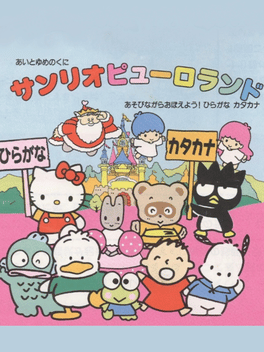
Minakata Hakudou Toujou is an Adventure game, developed by Thinking Rabbit and published by Atlus, which was released in Japan in 1997.Ai to Yume no Kuni Sanrio Puroland Asobinagara Oboeyou! Hiragana Katakana
1997
A Sega Pico game featuring characters created by Sanrio.Herc's Adventures
1997
Herc's Adventures
1997
star 8Ahhh...ancient Greece. A fertile land, full of wine, women, and some of the best gyros you'll ever taste. Thanks to Persephone, the Greek goddess of spring and fertility, Greece is a wonderful paradise. But now the lord of the Underworld, Hades, has gone and kidnapped Persephone, causing the land to slowly wither away! Zeus, the King of the Gods, needs help in saving her, so who do you call? None other than three of the greatest warriors in the land! You can choose from the big 'n' buff Herc, the super swift Atlanta, or the young and street-smart Jason, each of whom have their own weapons and strengths. The game's 40 levels include many further variations and pastiches of Greek mythology and legend. It's all up to you to rescue Persephone and give Hades a beatdown he'll never forget!Rodney's Funscreen 2 Extreme
1997
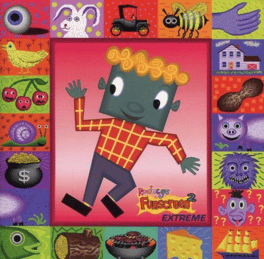
Rodney's Funscreen 2 Extreme: Dinky's Revenge is a semi-sequel / upgrade to Rodney's Funscreen that was released in Japan by Interlink for the PC and Mac platforms in 1997.Real Sound: Kaze no Regret
1997
A romantic audio game from Kenji Eno and WARP, makers of Enemy Zero and the D series. It is remarkable for using no visuals in its original release for the Saturn, and was marketed to both the blind and the sighted.The Arrival
1997
The Arrival
1997
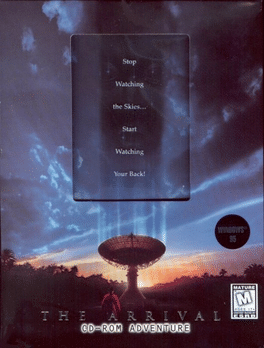
You've been abducted. You're in a cold, steel room. A window provides you a view of outer space. Your assignment is to escape without alien detection, so play a game of "cat and mouse" and work your way through the maze of the alien space station, moon base (mining colony) and three outstations.Ecstatica II
1997
Ecstatica II
1997
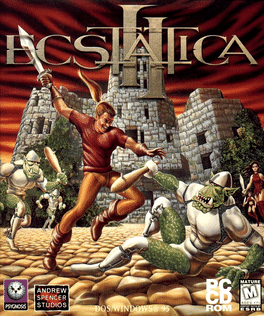
star 8.9Welcome to a world of magic, mysterious traps and diabolical danger, graphical glory and fast, fiendish gameplay. Your desperate struggle against the forces of chaos will pit you against a relentless enemy onslaught; you'll need wits, cunning and expert swordsmanship to defeat the evil nemeses. Let's hope you don't pass out at the sight of blood. Using unique Ellipsoid technology, Ecstatica 2 places you in a vast gaming world that'll keep you in its spell for a long, long time. With over 1,100 camera views, superbly animated characters and a huge array of magic weapons, this is an exceptional action adventure from one of the most creative teams around.Salzburg no Majo: The Witch of Salzburg
1997
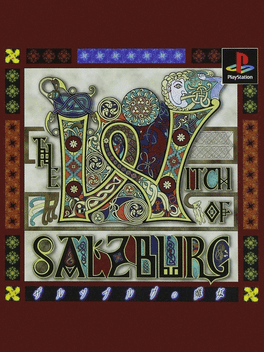
A group of present-day students investigate the history behind a 500-year old Austrian witch-hunt in this adventure.Duckman: The Graphic Adventures of a Private Dick
1997
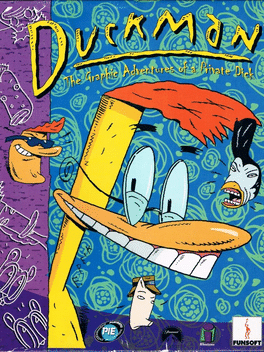
The ace detective is now an out-of-luck duck. Duckman, famed private dick and wise-cracking hero has just discovered his show is gone and so is his family. What fowl work is this? Scour the seamy underbelly of a city that doesn't care, in more than 80 different scenes in 40 locations. Explore a zany, anything-can-happen world filled with humorous creatures, deadly traps, and more than 10,000 frames of animation. Features: -The jokes and the bullets keep flying as Duckman runs amok with Cornfed, Bernice, Ajax, and the whole cast of wacky characters. -Voices from original cast members including Tim Curry, Nancy Travis, Dweezil Zappa, and Gregg Berger. -35 fully interactive characters waiting to clue you in or take you down. -Solve killer puzzles (emphasis on kill), face deadly traps (emphasis on dead), in this comic send-up of detective stories and all-American family values.Schrödinger no Neko: Die Katze von Schrödinger
1997
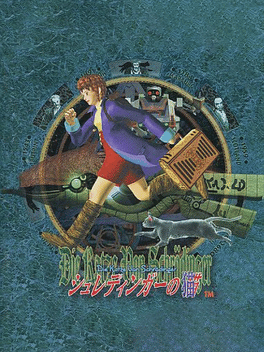
A 16-year-old girl named Iris and her family are visiting her grandmother in the countryside for Christmas. On the way, she encounters a cat named Schrödinger and follows it into a church, where she begins the time-travelling adventure of her life.Ryuuteki Gosennen: Dragons of China
1997
Ryuuteki Gosennen: Dragons of China () is an adventure game for the Sega Saturn.Iwatobi Penguin Rocky x Hopper
1997
Enjoy party games with the brother penguins Rocky & Hopper. Norinori Classics Super 70's dance music BGM to six! If you choose Raburabumodo, with a multi-tap controller in two pieces at a time up to four people can play!FantaStep
1997
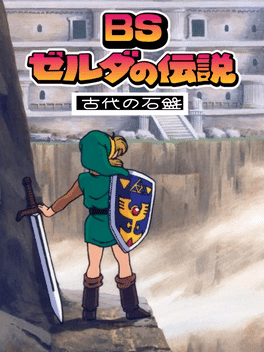
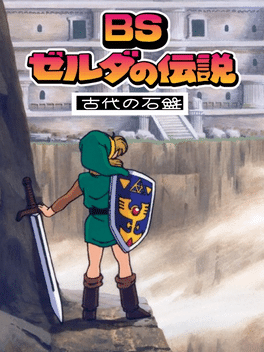
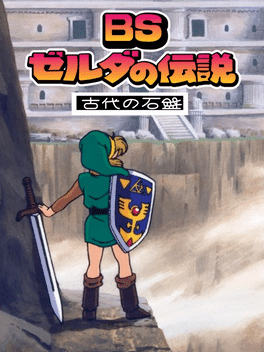
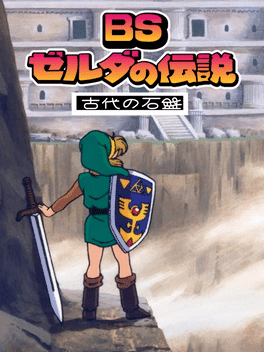
BS Zelda no Densetsu: Inishie no Sekiban - Dai-4-wa
1997
The fourth part (week) of BS Zelda no Densetsu: Inishie no Sekiban.BS Zelda no Densetsu: Inishie no Sekiban - Dai-3-wa
1997
The third part (week) of BS Zelda no Densetsu: Inishie no Sekiban.BS Zelda no Densetsu: Inishie no Sekiban - Dai-2-wa
1997
The second part (week) of BS Zelda no Densetsu: Inishie no Sekiban.Dark Hunter: Jou Ijigen Gakuen
1997
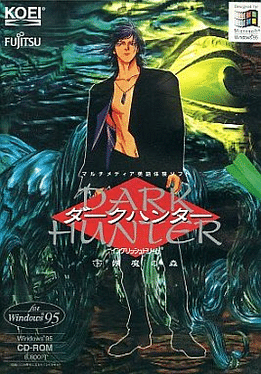
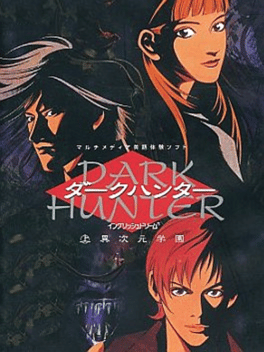
A horror adventure game that was released as part of Koei's "English Dream" series, a collection of games used to help teach the English language.Lenny Loosejocks Goes Walkabout
1997
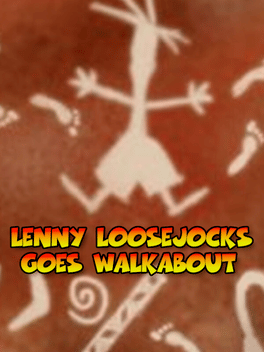
Lenny Loosejocks Goes Walkabout is a top-down adventure game set in a fictional Australian town. Players control Lenny Loosejocks as they explore locations and complete various mini-games to unlock codes and progress. Originally a 1997 Flash game, it was re-released in 2021 for modern platforms. The game includes several distinct mini-games and features simple graphics and gameplay focused on exploration and puzzle-solving.BS Zelda no Densetsu: Inishie no Sekiban - Dai-1-wa
1997
The first part (week) of BS Zelda no Densetsu: Inishie no Sekiban.