Most Popular Amiga Games - Page 17

Reforger '88
1984
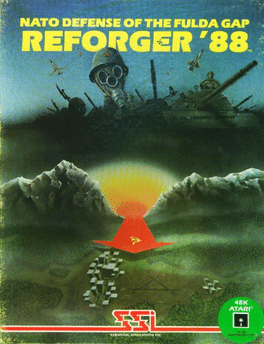
Reforger '88
1984
The campaign is set during the fictional combat between NATO forces and those of the Warsaw pact at the Fulda Gap in 1988.Objective: Kursk
1984
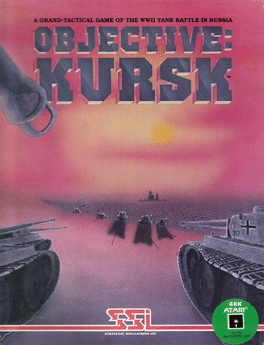
Objective: Kursk
1984
The game covers the Fourth Panzer Army attacks against the Soviet forces on the south flank of the Kursk salient.Baltic 1985: Corridor to Berlin
1984
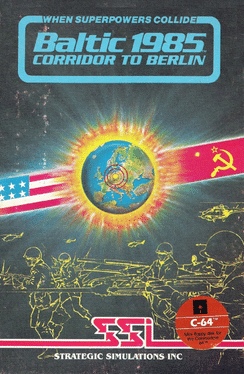
Baltic 1985 is a computer wargame, the third entry in SSI's "When Superpowers Collide". It simulates a fictional conflict between the United States and the Soviet Union. The game simulates a fictional battle between NATO and the USSR in Berlin.North Atlantic '86
1983
North Atlantic '86
1983
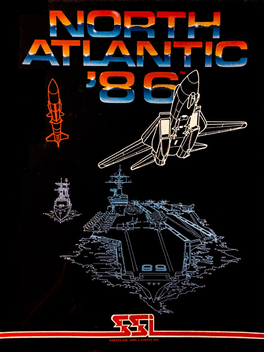
North Atlantic '86 is an early war strategy game that was released for the Apple II in 1983, revolving around hypothetical battles between Soviet and NATO forces in the North Atlantic during 1986. It was designed by Gary Grigsby and published by Strategy Simulations Inc.Torpedo Fire
1981
Torpedo Fire
1981
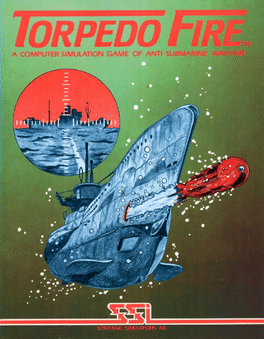
Torpedo Fire is a turn-based tactical game of WW2 naval warfare focused on submarine vs. destroyer combat. The player may take the role of either a submarine commander or a destroyer captain in any side of the conflict, while at the same time send orders to other ships in the player's command. The game allows playing against a fellow player (hot-seat multiplayer) or the computer AI in turns that simulate 60 minutes of actual combat.Guadalcanal Campaign
1982
Guadalcanal Campaign
1982
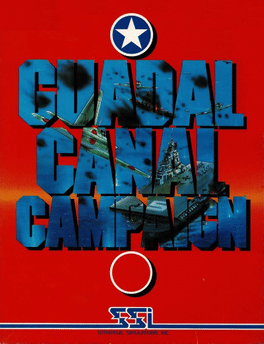
Turn-based strategy game which simulates the Guadalcanal Campaign of 1942 during WWII.Operation Apocalypse
1981
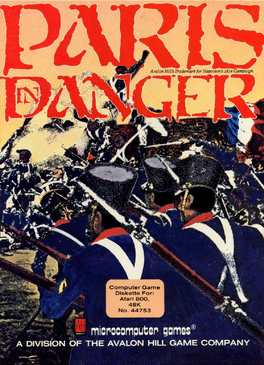
Paris in Danger
1983
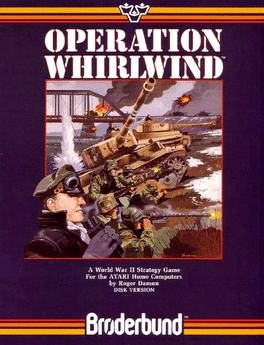
Operation Whirlwind
1983
Grim Legions
2016
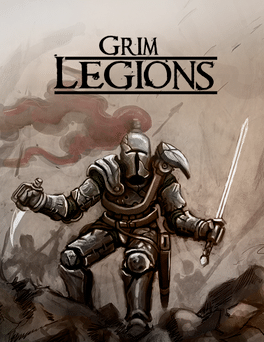
Grim Legions
2016
Grim Legions is a fantasy turn-based strategy game, played on a hex grid. In Grim Legions, you control units that move around the map trying to capture towns. Each turn, the towns recruit more units. The aim of the game is simply to wipe out your enemy (destroy all their troops and capture all their towns). There can be up to 4 players, and you can make alliances with other players. There are three different types of troop: infantry, archers and cavalry. There's not much difference between these types, archers are just better than infantry, and cavalry better than archers. Unlike a lot of other games, you can combine multiple troop types in one unit (or "legion"), and you can split and merge them as much as you like. Map generation is randomized, but you have a lot of control over it. E.g. if you get sick of your units taking ages to move through the mountains, you can just generate a map without mountains. You can also decide how much of the map you want to be water (which no troops can move through), from 0% toRDF 1985
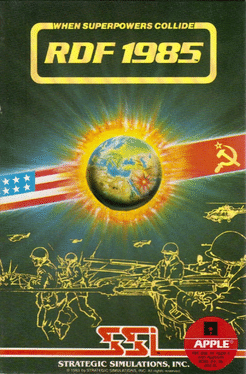
1983
RDF 1985
1983
RDF 1985 is a computer wargame, the second entry in SSI's "When Superpowers Collide". It simulates a fictional conflict between the United States and the Soviet Union. This game simulates the fictional attempt of the Soviet Union to capture oil fields in the Middle East. To combat them the United States sends in the Rapid Deployment Force (RDF).Invasion Orion
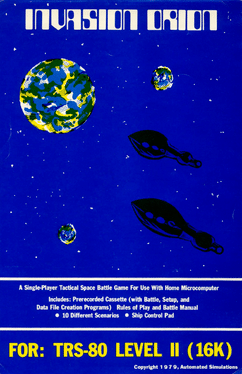
1979
Starfleet Orion
1978
Crystal Defenders: Vanguard Storm
2009
Crystal Defenders: Vanguard Storm is a turn-based strategy game set in Ivalice and released on iOS. Like the original Crystal Defenders, it featured jobs from Final Fantasy Tactics A2: Grimoire of the RiftThe Alien
1982
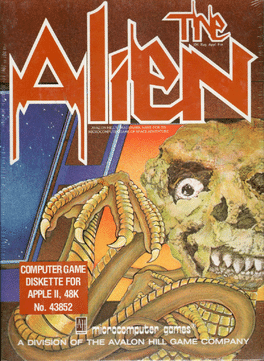
The Alien
1982
Heavily inspired by the sci-fi movie "Alien", you task is the capture or the killing of the alien on board your ship or the activation of the self-destruct sequence. In order to accomplish that you have to assign your crew memeber different tasks like accessing to the computer system, build weapons etc.Galactic Civilizations III: Mercenaries
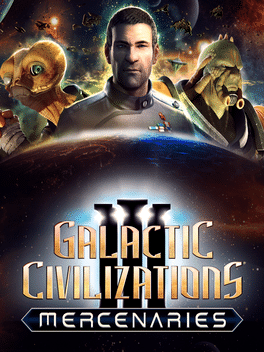
2016
The human race is fighting a desperate war against the remorseless Drengin Empire. Both sides have become increasingly desperate, leading them to turn to the galactic underworld and their elite mercenaries.Airline
1982
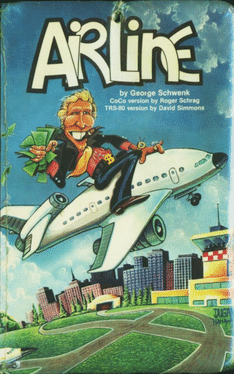
Airline
1982
A strategy game for one to four players in which the object is to construct a sizeable corporate empire while competing against human or computerized opponents.