New Racing Games - Page 137

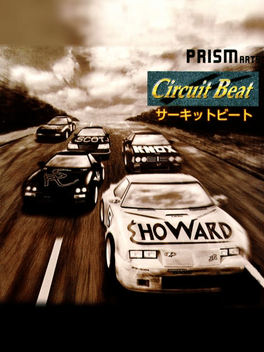
Circuit Beat
1995
Road Rash 3
1995
Road Rash 3
1995
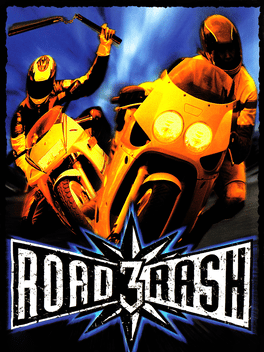
star 7.1The Rash is back in the latest, nastiest, baddest race game for your Genesis. This time there's five NEW weapons, including the cattle-prod and crow bar. NEW race tracks take you across the globe, from the Aussie Outback to nighttime urban Japan. NEW modes raise the ante with the other Rashers while the NEW digitized graphics and interactive obstacles charge NEW life into the gameplay!World Rally 2
1995
World Rally 2
1995
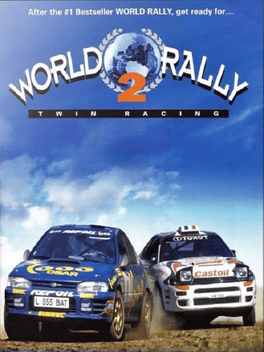
There are four skill levels in this worldwide race: easy, normal, hard, and expert. There are three races held in each country. The game has good quality graphics with fast scrolling.Cyber Speedway
1995
Cyber Speedway
1995
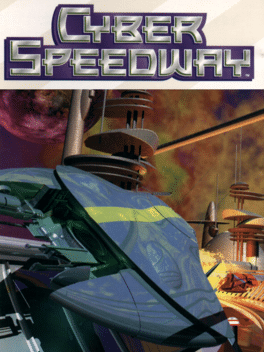
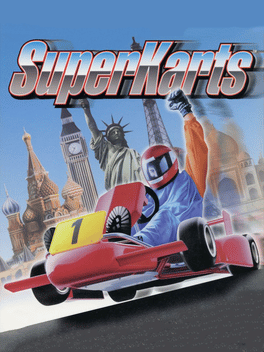
Cyber Speedway (Gran Chaser in Japan) is a 1995 racing video game developed by NexTech and published by Sega for the Sega Saturn. It is a spiritual sequel to 1993 computer game CyberRace, as both games have a similar theme, and vehicles designed by Syd MeadSuperKarts
1995
Cool Riders
1995
Cool Riders
1995
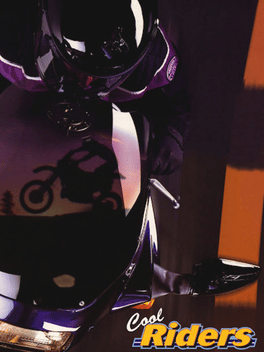
Cool Riders is the spiritual sequel to Sega's OutRunners. It has a similar premise to OutRunners, though rather than driving cars, the player rides bikes. It also uses digitized graphics similar to Mortal Kombat.Daytona USA
1995
Daytona USA
1995
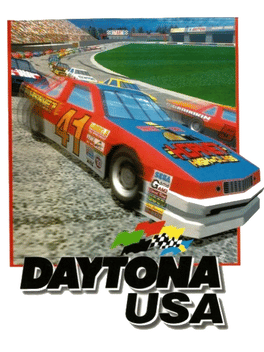
The player is put behind the wheel of a stock car (known as the Hornet), with the choice of three tracks as well as an automatic or manual transmission. The player's objectives are to outrun the competing cars, and complete the race before time runs out.Kyle Petty's No Fear Racing
1995
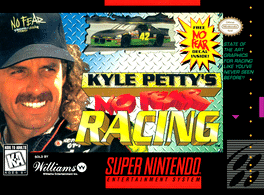
Kyle Petty's No Fear Racing lets the player race on 28 different stock car tracks and choose from a bevy of customizable cars, each with their own appearances, strengths and weaknesses. There are three different modes to play. A Single Race where the player can choose a car and a track and race one time against a slew of computer opponents. Season lets the player compete in an entire season on all the tracks, earning prize money to buy parts to upgrade their car. They can change parts to maximize performance or even tweak the car such as change gear ratios, spoiler height, tire pressure, etc.Battle Racers
1995
Battle Racers
1995
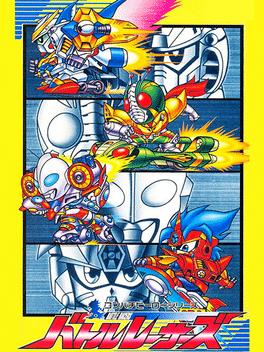
Battle Racers is a Mode 7-enabled racing game and part of the Compati Hero Series, which combines characters from Gundam, Kamen Rider and Ultraman. The game takes after Super Mario Kart in its presentation and use of power-ups to get the edge in races. It also uses a similar zoomed-out view of the track for the second player's window for the game's single-player mode. Players select from four Grand Prix cups: each cup has one more track than the one before, starting with four. The final cup is locked until the others have been beaten.Drift King Shuto-kou Battle 2: Tsuchiya Keiichi & Bandou Masaaki
1995
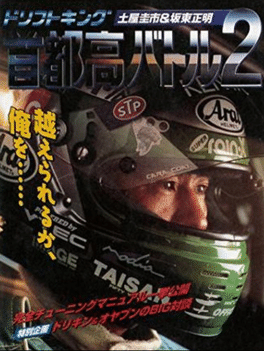
Drift King Shuto-kou Battle 2 is a behind-the-car driving game exclusive to the Super Famicom. It is named after and endorsed by Keiichi "Drift King" Tsuchiya, and the title refers to the Shuto Expressway near Tokyo upon which most of the races take place. Players select a car and customize it before taking it to the track to race against other street racing enthusiasts. The game maintains a split-screen regardless of whether or not a second player is involved; on single-player, the top screen's camera stays on the starting line.Super Drift Out
1995
Super Drift Out
1995
Super Drift Out: World Rally Championships is a 1995 rallying video game developed by Dragnet and published by Visco Corporation for the Super Famicom. It is the third game in the Drift Out series, and was followed by Neo Drift Out: New Technology; unlike the previous Drift Out '94: The Hard Order, it resembles the first Drift Out and is sometimes referred to as a port or remake for that reason. All races in this video game are based on the 1994 World Rally Championship season. Two different types of background music ('normal' and 'hard' beats) and three racing levels (easy, normal, and hard) are available. The top six times are tracked in each of the rally legs; including the super special stage. A North American release was planned by Accolade, though it was never released. The North American version would have featured fake manufacturer names.Polestar
1995
Polestar
1995
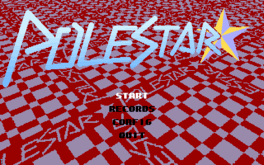
This pseudo-3D sports car driving game has you racing the clock to complete 4 laps around each track. Like OutRun and other classics that inspired it, you just have a basic accelerator, brake, and low-to-high shifting at your disposal. Round those corners fast! Polestar offers 2 courses, each with 4 stages. There's also a time attack mode for playing each stage individually, so that you can practice one at a time or simply go for the fastest times.Speed Racer
1995
Speed Racer
1995
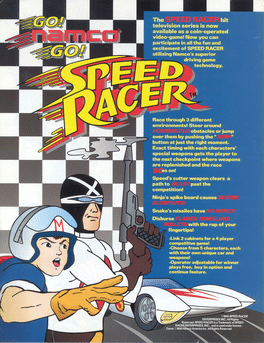
A racing game based on the successful anime cartoon in which the player takes on the role of the young driver Speed Racer and his super racing GT car named Mach 5.Dirt Racer
1995
Dirt Racer
1995
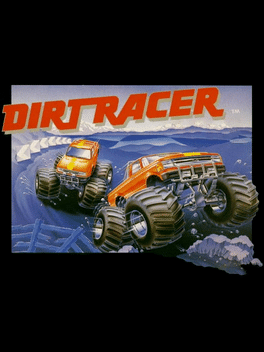
Players must drive their dirt track racing vehicle across a road rally. The car comes complete with a speedometer (in kilometres), a lap counter, and a lap time counter. There are a pre-determined number of chances to complete the game, like in Super Mario Kart and F-Zero. If the player is unable to defeat the game in those number of tries, then the player gets an automatic game over. A yellow smiley face shows up to track the performance of the driver. If it's smiling, then the player is winning. Otherwise, the player is losing the game.Super Burnout
1995
Super Burnout
1995
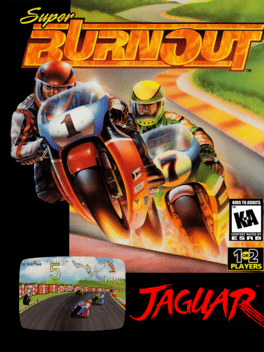
This game will get your adrenaline pumping and pin you to your seat with its 'G' force. As you lean into the first bend you'll feel like you're really there.Slip Stream
1995
Slip Stream
1995
Slipstream is a sprite-based Formula One racing game featuring four different race tracks; Germany, Japan, Australia and the obligatory Monaco. players can chose to race in any one of eight different F-1 racing cars, with each offering different levels of handling, acceleration, speed and grip. The game also offers three different play modes; Time Trial (raced over a single course), World Championship (raced over all four courses) and Time Trial (also raced over all four courses). Each car has a basic high and low gear. Also, as the player races the course, a 'Turbo' meter builds up. The Turbo will occasionally kick in and give the player's car a temporary speed boost. Rival cars are also able to turbo-boost.Final Lap R
1995
Final Lap R
1995
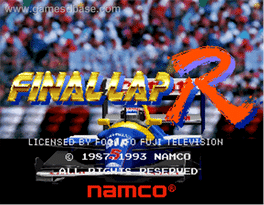
The last game in Namco's seminal F1 series, which began eleven years' earlier with 1982's "Pole Position". Final Lap R features the same loose handling and demanding game-play of its predecessors, but has the obligatory improved graphics, due to the more powerful host hardware. The game offers players a choice of four race tracksCosmic Race
1995
Cosmic Race
1995
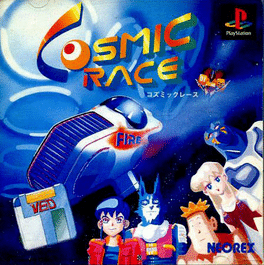
A racing game for the PlayStation released in 1995. Supposedly, the 3D graphics were composed entirely of stock textures from the system's development kit, and the sounds all recorded from a Casio keyboard.Micro Machines
1995