New Games - Page 12827

Jissen Pachi-Slot Hisshouhou! 2
1994
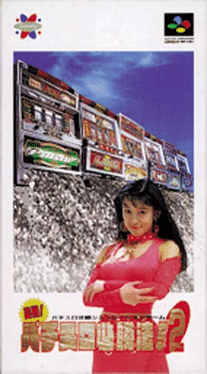
Jissen Pachi-Slot Hisshouhou 2 is a Miscellaneous game, published by Sammy Studios, which was released in Japan in 1994.Leading Jockey
1994
Leading Jockey
1994
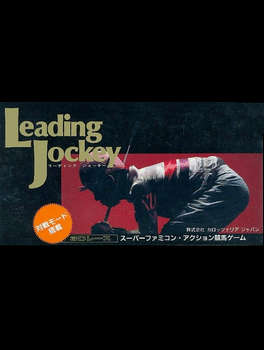
Leading Jockey is a horse racing game for the Super Famicom. It focuses more on the racing aspect than the simulation/management of one's horses and jockeys, unlike ASCII's Derby Stallion or Hect's Thoroughbred Breeder. The player still has a number of options when setting up a race to appeal to enthusiasts of the sport.Spider-Man and Venom: Maximum Carnage
1994
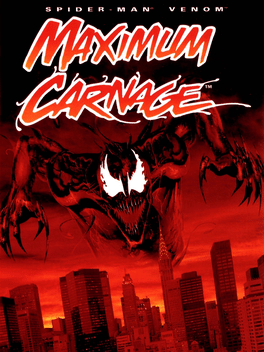
star 6.6Spider-Man and Venom: Maximum Carnage is a side-scrolling beat 'em up game for the Super NES and Sega Genesis/Mega Drive, developed by Software Creations and published by Acclaim Entertainment and it's subsidiary LJN in 1994. The game, based on a sprawling comic book story arc of the same name, features numerous heroes, including Spider-Man, Venom, and their allies from the Marvel Comics fictional universe like Captain America, Black Cat, Iron Fist, Cloak and Dagger, Deathlok, Morbius and Firestar, all teaming up to battle an onslaught of villains led by Carnage, including Shriek, Doppelganger, Demogoblin and Carrion. Both the Genesis/Mega Drive and Super NES versions come in a red cartridge. They were later released in the normal cartridge colors (black for Genesis, gray for Super NES). The game was followed up by a sequel called Venom/Spider-Man: Separation Anxiety. Universal Studios Orlando used Maximum Carnage as the theme for a haunted house at Halloween Horror Nights in 2002.Gus and the Cyberbuds: Sing, Play & Paint-A-Long
1994
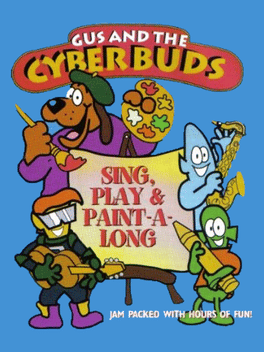
Gus and the Cyberbuds: Sing, Play & Paint-A-Long is an educational music game for children between three and eight. It features six songs (Animal Shenanigans, Down by the Bay, Imagination, The Ants Go Marching, Old MacDonald's Farm and I Am A Fine Musician) with three game modes: Sing: The song is played and is accompanied by an animation. The lyrics are also shown, karaoke-style, so the player can sing along. Play: The player can add a variety of icons (e.g. animals, trees, etc.) to the background. When playing the song, those icons stay on the screen. Paint: The player can use simple painting tools to paint over the background while the song is optionally playing in the background.Mad Stalker: Full Metal Force
1994
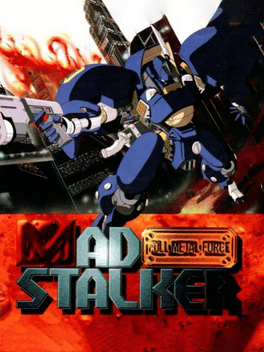
Mad Stalker: Full Metal Force PC Engine CD version, added fully voiced cutscenes after all of the stages.Shanghai III
1994
Shanghai III
1994
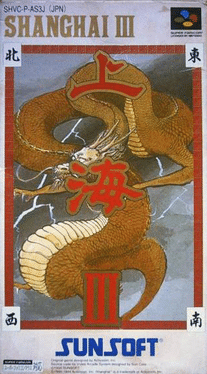
"Shanghai III" is a puzzle game released by SUNSOFT in 1993. This is the 3rd title of the standard puzzle game series that has gained a lot of popularity by adding new functions such as playing with an opponent.Sparkster: Rocket Knight Adventures 2
1994
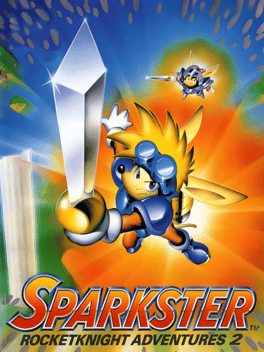
star 6.9Direct sequel to the previous Rocket Knight Adventures game.Sparkster
1994
Sparkster
1994
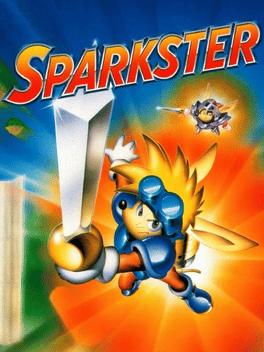
star 7.1The eponymous main character is an opossum knight who fights an army of yellow wolves and robots. He is armed with a sword that can fire energy bolts and a rocket pack that allows him to fly short distances. The gameplay remains mostly the same as in Mega Drive games, with the most notable change being the addition of a short-distance rolling dash. One major difference is that the game's final level depends on a difficulty player selected. On easy, the game culminates with battle against Axel Gear, but on normal, the story continues with Sparkster fighting the leader of the Wolves on the next level. On hard difficulty, the game continues beyond that, with the true final stage.Animahjong X
1994
Animahjong X
1994
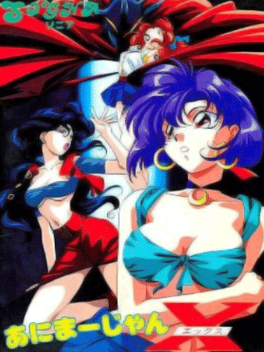
The sequel to Animahjong V3. When the events of this game occur the playable protagonist in the first game is now close friends with the three mahjong playing sisters and has even begun dating the eldest, Yumika. In this story, Rumi is kidnapped while walking home from school one day and the player must search for the clues that will reunite the family. Playing the role of the male protagonist or either of Rumi's older sisters, Yumika and Miyabi, you compete against several female mahjong players who have information on Rumi's whereabouts. As they get closer to finding Rumi, Yumika grows increasingly suspicious...Yuuwaku no Toiki
1994
Yuuwaku no Toiki
1994
Tetsuya is a 4th grade college student who takes up a part-time job to tutor one of the daughters of a famous novelist in his mansion. But for a salary of 1 million yen per month he also agrees to serve as bodyguard to novelist's wife Ayako whose life is endangered by an unknown person.Vid Grid
1994
Vid Grid
1994
Vid Grid is a tile-matching full motion video puzzle game originally developed by Geffen Records and published by Jasmine Multimedia Publishing for Windows on September 13, 1994. It was later ported to the Atari Jaguar CD by High Voltage Software in 1995, where it was included alongside with Blue Lightning as one of the pack-in games for the peripheral when it launched. It is the first entry in the franchise of the same name. In Vid Grid, the players have to resolve and finish a jigsaw puzzle in time as their main objective, before the music video that is being played on the background ends. Conceived by Geffen executive Norman Beil and produced in conjunction with Jasmine Multimedia as a joint-venture, the game was one of the first titles to use Microsoft's Video for Windows multimedia framework, which allowed to play and encode digital video up to a maximum resolution of 320x240 pixels. The game includes a total of 10 music videos of different rock genres (including grunge rock from Soundgarden and Nirvana, harJigsaw Puzzle
1994
Jigsaw Puzzle
1994
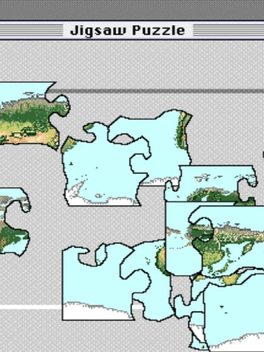
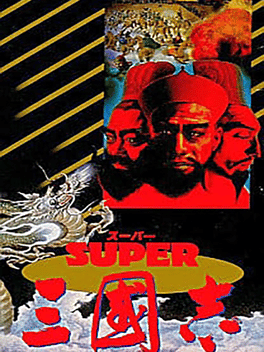
Jigsaw Puzzle is a puzzle game written that was included by Apple Computer with System 7.5 to Mac OS 9.2.2. Options include toggling sound effects, choosing the piece size for new puzzles, pasting a custom image for use as a puzzle, and setting the background color behind the puzzle pieces.Super Sangokushi
1994
Super Sangokushi
1994
Super Sangokushi is a Strategy game, published by Koei, which was released in Japan in 1994.Kenyuu Densetsu Yaiba
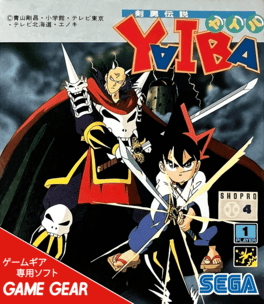
1994
Based on the anime series of the same name, juvenile samurai Yaiba Kurogane goes on an adventure across Japan while trying to learn the secrets of his sword. The game is made up of mainly platforming levels, with a few instances of runner levels and story-based cutscenes between every part that makes up the level.Mortal Kombat II
1994
Mortal Kombat II
1994
star 6.9To win the main tournament, the player must beat each of the other human players, before taking on Shang Tsung, Kintaro and finally Shao Kahn. Players have a range of punches and kicks available, as well as flying kicks, uppercuts, roundhouses, and the special moves, which vary for each player. These include throws, uppercuts, long-distance bullets, bicycle kicks and a teleport feature.The Firemen
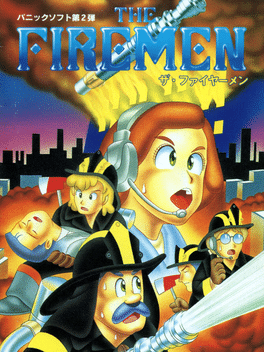
1994
The Firemen
1994
star 6.8The fire is alive - and it's racing straight towards you! A fire has broken out in a high-tech chemical factory, where a highly explosive chemical, MDL, is being developed. It's up to you and your fire-fighting team to save the people trapped in the building, and stop the fire from reaching the MDL. Because if it does, the whole building is going to blow... -An action shooting game with a gripping storyline and 2D overhead perspective. -Evade sudden hazards and save survivors. -Multi-level action - crawl along the ground to advance, and hose the fire from both high and low levels.Ryuuko no Ken 2
1994
Ryuuko no Ken 2
1994
Released only in Japan for the Super Famicom, it's an adaptation of the Neo Geo game of the same name, also known as "Art of Fighting 2".