New Games - Page 12790

Tactical Manager
1994
Tactical Manager
1994
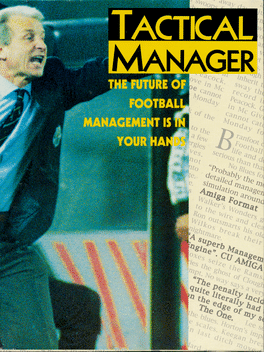
Tactical Manager is a soccer/football management game, setting you in charge of one of the teams in the top 2 English divisions of the time and giving you control over transfers, tactics and training regimes as you aim to guide your team to success. Initially you can only manage the lower teams, but if you succeed over a few seasons you will become respected enough to have a chance to get the top roles.Nintendo PowerFest '94
1994
Nintendo PowerFest '94 was a 1994 Nintendo-promoted video game competition. Most of the town competitions were held in customized trailers outside of department stores. It was based on scoring points in a special Game Pak. The three Super Nintendo Entertainment System games (Super Mario Bros.: The Lost Levels, Super Mario Kart, and Ken Griffey, Jr. Presents Major League Baseball) were played within a time limit of six minutes.Jump Raven
1994
Mega Turrican
1994
Mega Turrican
1994
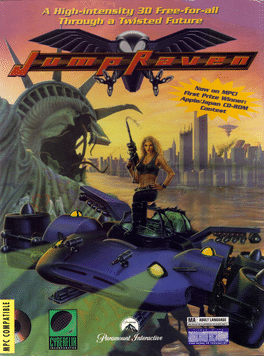
star 7.3The Machine has enslaved the galaxy under its tyrannical rule. As Bren McGuire, the last survivor of the United Freedom Forces, it is your duty to destroy the evil forces of the Machine that have devastated the galaxy.Space Invaders
1994
Space Invaders
1994
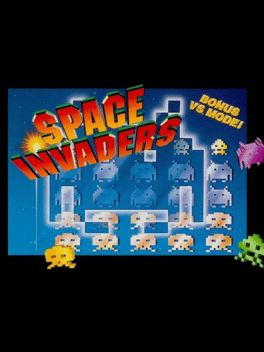
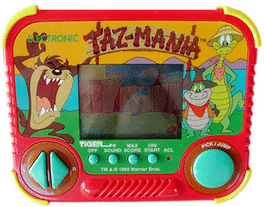
star 5.9Experience one of gaming's iconic franchises in this perfect rendition of the arcade classic!Taz-Mania
1994
1994 Locospotter
1994
AstroFire
1994
AstroFire
1994
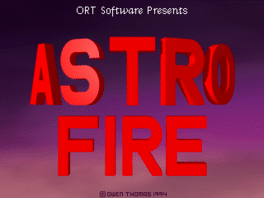
Asteroid-blasting arcade game featuring stunning raytraced graphics, awesome power-ups and 18 different types of enemy craft, spread over a massive 75 action-packed levels. With the release of version 3, AstroFire is now better than ever, featuring new weapons, improved graphics and re-designed levels.Trivial Pursuit
1994
Trivial Pursuit
1994
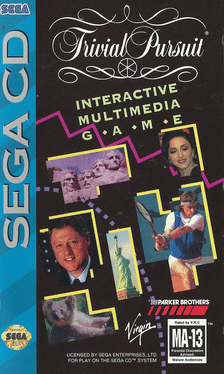
Trivial Pursuit: Interactive Multimedia Game is a version of the board game Trivial Pursuit for the Sega Mega-CD. It was only released in North America.X-Men
1994
X-Men
1994
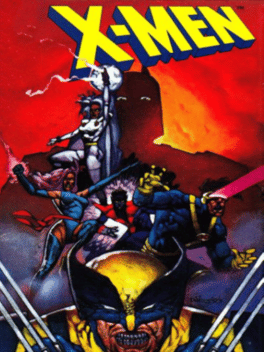
X-Men is a sidescrolling beat'em up/platform game, much like its homonymous Mega Drive/ Genesis counterpart. Several X-Men characters are playable throughout the game. The player can choose from two characters from the start, Cyclops and Wolverine, and three Levels are accessible. In the course of the game, the player can unlock five other X-Men, namely Storm, Iceman, Rogue, Nightcrawler and Psylocke.Iron Cross
1994
Iron Cross
1994
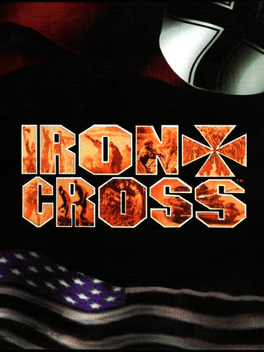
Iron Cross is a real time/turn based hybrid wargame placed in the France of WW2. You create a character and then go at it in 1 one of 12 pre-made scenarios from either side. Depending on your prowess you'll be promoted or demoted with the consequential increase or decrease of units available to command. Graphics are top-down 2D SVGA sprites, and the game includes historical commentary on all of the 12 scenarios, as well as a scenario editor.Kingmaker
1994
Kingmaker
1994
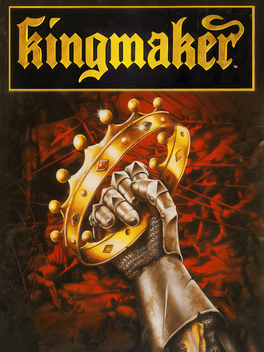
Based on Avalon Hill's board game of the same name, Kingmaker is a strategy game set during the War of the Roses period of medieval England. You can play either York, or Lancaster, and your goal is to get your choice for royal heir crowned king of England. You do this by granting titles to people favorable to your cause, and eliminating those who would oppose it. Kingmaker has a simplistic combat interface, rather concentrating on politics and dirty tricks as the strategies of choice.Die Höhlenwelt Saga: Der Leuchtende Kristall
1994
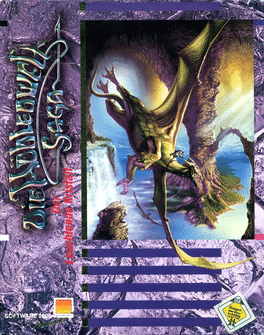
Starship pilot Eric "Speedy" MacDoughan traces his lost love, mysterious Maomi, to the barren planet 2S-126 in the Taurus 5 system, to discover that a network of caves leads to a gigantic cave world far beneath the crust - the Höhlenwelt ("cave world"). Down there, flying dragons and humanoid peoples live on a magical-medieval level under the despotic rule of an alien reptile race called Drakken. Eric meets the artificial being Cal (a deja vu for Hexuma players), who sends him to the cave world to retrieve a powerful energy crystal (the Leuchtende Kristall ("glowing crystal") from the game's title). And find Maomi, of course.The Journeyman Project: Turbo!
1994
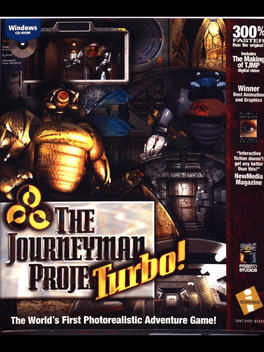
The Journeyman Project: Turbo! is a remaster of The Journeyman Project (1993), with decreased loading times and improved animation quality. The year is 2318. The place: the sky-born city of Caldoria. After a century of bitter struggle, humanity has finally learned to live in peace. In 2117 the Unified World was established. And humanity knew no more war.King James Bible for Use on Game Boy
1994
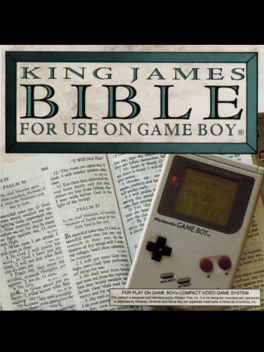
Finally! Game Boy has found it's ultimate calling. The Bible on Game Boy is the perfect addition to my devotion time Bible studies. The complete word search and quick reference capabilities make it a must for anyone who owns a Game Boy. Keep a fresh set of Batteries around - you'll be reading this Bible a lot...Rollerball
1994
Rollerball
1994
In Rollerball you go through levels rolling a ball and preventing it from falling into the void.Solitaire FunPak
1994
Solitaire FunPak
1994
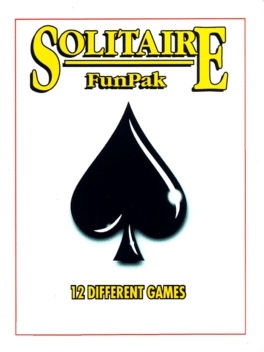
star 4.5One of interplay's many compliation games, Solitaire FunPak featured 12 different solitaire-based card games to play.Superfrog/Arcade Pool
1994
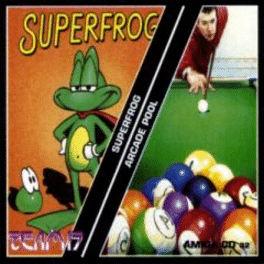
Superfrog/Arcade Pool is a compilation title from Team17 that bundles two distinct games. The first, Superfrog, is a 2D platformer where a super-powered frog overcomes challenging levels filled with enemies and obstacles. The second, Arcade Pool, is an arcade-style billiards simulation featuring fast-paced, accessible pool gameplay.