New Games - Page 12761

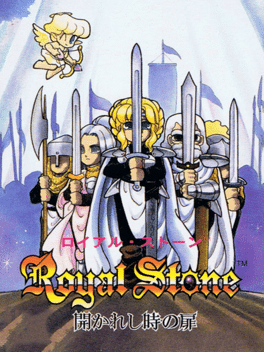
Royal Stone: Hirakareshi Toki no Tobira
1995
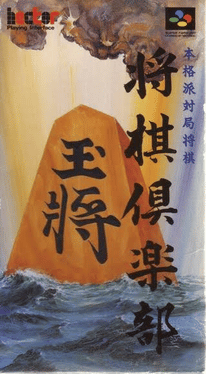
Royal Stone: Hirakareshi Toki no Tobira is an RPG for the Sega Game Gear.Honkakuha Taikyoku Shogi: Shogi Club
1995
Honkakuha Taikyoku Shogi: Shogi Club is a Miscellaneous game, developed by Natsu System and published by Hect, which was released in Japan in 1995.Ane-san
1995
Ane-san
1995
The two sisters, Ai and Yuuko, have taken different paths in life. Yuuko has been taken away by a mysterious gang. Ai is determined to save her from the clutches of crime. In a seemingly all-female city overrun by insane workers, biker gangs, and assorted criminals, Ai and her friends Chika and Makoto decide to work together in order to restore the world to normality again.Super Drift Out
1995
Super Drift Out
1995
Super Drift Out: World Rally Championships is a 1995 rallying video game developed by Dragnet and published by Visco Corporation for the Super Famicom. It is the third game in the Drift Out series, and was followed by Neo Drift Out: New Technology; unlike the previous Drift Out '94: The Hard Order, it resembles the first Drift Out and is sometimes referred to as a port or remake for that reason. All races in this video game are based on the 1994 World Rally Championship season. Two different types of background music ('normal' and 'hard' beats) and three racing levels (easy, normal, and hard) are available. The top six times are tracked in each of the rally legs; including the super special stage. A North American release was planned by Accolade, though it was never released. The North American version would have featured fake manufacturer names.Jikkyou Pawafuru Puroyakyu 2
1995
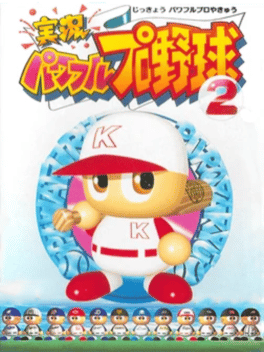
The second installment in the main Power Pros series for the Super Famicom. It is the first game in the series with the Team Arrange mode, allowing for players to create custom teams for use in other modes.Bishoujo Senshi Sailor Moon S: Kurukkurin
1995
The Sailor Soldiers must collect the talisman before the Dark Kingdom gets them! Take on your friend in this exciting puzzle game based on the famous animation!Heiwa Pachinko World
1995
Heiwa Pachinko World
1995
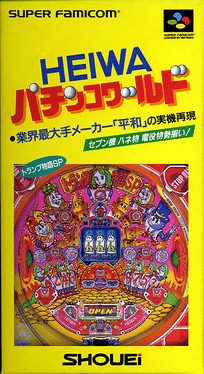
Heiwa Pachinko World is a Miscellaneous game, developed by Office Koukan and published by Shouei, which was released in Japan in 1995.Nage Libre: Seijaku no Suishin
1995
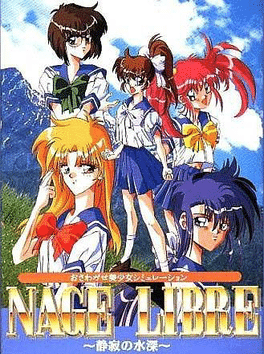
Nage Libre: Seijaku no Suishin ("Promotion of Silence NAGE LIBRE") is a 1995 Japan-exclusive video game for the Super Famicom. Five nymphs stray off into a different world called "Nage." They constantly fight in order to return to their homeworld. The fighting techniques all utilize a card battle system that is similar to the anime series Yu-Gi-Oh!, and their incredible offensive and defensive skills develops from the strategies learned from the card games. Since the nymphs are in high school, the kind of extracurricular activities selected when the stage begins will affect their attacking abilities. Their battle commands include: stand by, attack, item, exchange, pocketbell, anime, and save. Each card can attack the player's attack abilities in addition to their defense, hit points, and even their costumes.Turf Memories
1995
Turf Memories
1995
Turf Memories is a Sports game, published by Bec, which was released in Japan in 1995.Battle Pinball
1995
Battle Pinball
1995
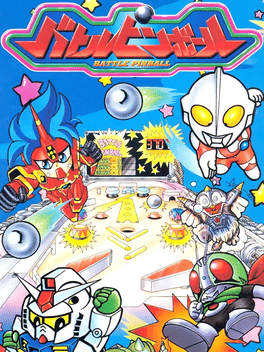
Battle Pinball is a multi-table pinball game exclusive for the Super Famicom and part of Banpresto’s "Compati Hero Series" that brings together the licenses for Ultraman, Kamen Rider and Gundam. The game contains four tables, each themed to a different hero: Kamen Rider, who fights in dusty wastelands with a number of his recurring enemies; Ultraman, who fights in a city against various kaiju; Knight Gundam, who fights in space; and Banpresto’s own original character Fighter Roar, whose stage is set under the ocean. Each table also has three screens, each with their own set of paddles, and the player attempts to earn highscores from the various features on each table.Classic Road II
1995
Metal Head
1995
Metal Head
1995
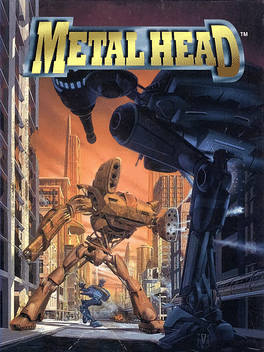
Bullets fly and circuits try in heavy-duty cyborg techno-slaughter. You control Metal Head, the ultimate cyborg warrior, patrolling the charred urban destruction of the great war. And a murderous mecha-force is gunning for you! INCREDIBLE 3-D textured polygon graphics engulf Metal Head in searing firefights as cyber troops, hover craft and ground attack vehicles annihilate the planet! You are the ultimate tech-destroyer - with chain guns, missiles, radar tracking and Heads-up Display! Head-banging heavy-metal music amps you up for pure warfare! 24 megs of cyber-combat rock through war torn urban streets, bombed out farmland, scorched forests and bullet-riddled 'burbs!Ai Chou Aniki
1995
Ai Chou Aniki
1995
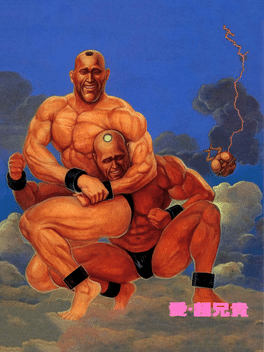
Ai Chou Aniki is a horizontally-scrolling Shoot 'em Up released in 1995 for the PC-Engine CD by Masaya. This is the first game in the series to go for the camp humor the series is known for.Alien Soldier
1995
Alien Soldier
1995
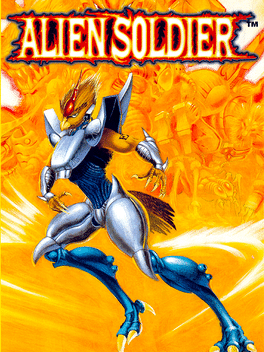
star 7.6The planet Sierra is being attacked by Scarlet, a terrorist group lead by a vicious creature named Xi-Tiger who is plotting to destroy the human race. With vengeance, our hero Epsilon-Eagle will fight against Xi-Tiger as well as the terrorist organization that he formerly led.Front Mission
1995
Front Mission
1995
star 7.7Front Mission is the first main entry and the first entry overall in the Front Mission series. Front Mission is part of a serialized storyline that follows the stories of various characters and their struggles involving mecha known as wanzers.Lufia II: Rise of the Sinistrals
1995
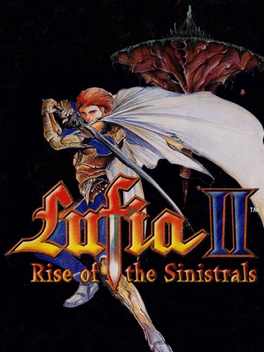
star 8.2Lufia II: Rise of the Sinistrals serves as a prequel to Lufia & the Fortress of Doom, unfolding its events ninety-nine years before. The narrative delves into the origins of the series' antagonists, the Sinistrals, a group of super-humans. Players take on the role of the ancestor of Maxim, the protagonist from the first game, as he embarks on a quest after encountering Iris, a mysterious woman. Maxim seeks other heroes to join forces in preventing the Sinistrals from wreaking havoc and destroying the world. Like its predecessor, Rise of the Sinistrals follows the Japanese-style turn-based RPG format with an infusion of puzzle elements. The game incorporates intricate puzzles into its dungeon designs, requiring players to use various items and accessories for solving. Additionally, it introduces the "Capsule Monsters" system, allowing summoned monsters to participate in battles. These creatures evolve through the consumption of weapons, armour, or special fruits. Unlike the first game, dungeons in Rise of the SinisMario's Game Gallery
1995
Mario's Game Gallery
1995
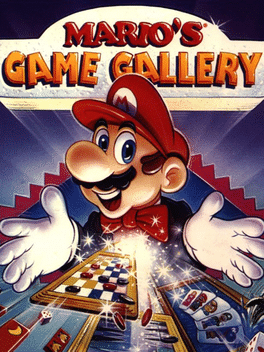
Mario's Game Gallery is a collection of board games, in which you play with Mario. He talks to you, playing Checkers, Go Fish, Dominoes, Backgammon and Yacht. The games all play similarly to their real world counterparts, featuring pieces based on the Mario universe. Mario's Game Gallery is the first game in the series to feature Charles Martinet as Mario's voice actor, who has since gone on to act as Mario's voice actor in all games that give Mario a voice since.Tenshi-tachi no Gogo Collection
1995
"Tenshi-tachi no Gogo Collection" contains three games, which are remakes of the first three entries in the Tenshi-tachi no Gogo series. The remade versions were not released separately. All the three games have updated graphics (some scenes were completely re-drawn), as well as interface changes. There is no text input and all the three remakes have a similar verb-based menu interface. The menus have been simplified, with less choices than in the original versions, removing most of the "useless" command combinations.Geom Cube
1995
Geom Cube
1995
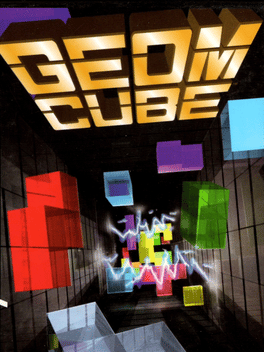
Geom Cube is a three-dimensional puzzle game based on Tetris concept. Blocks are dropped into a 4x4 pit where the object is to completely fill a level in the pit with blocks so it disappears. There are 24 different block shapes. If the blocks reach the top of the pit, the game is over. This game is for one or two players; the single-player mode has an option of playing against a series of eight computer opponents. There are three game modes for one player: the fast, time-limited Finite mode, the slower Infinite mode, and a versus mode against computer-controlled fighters. Multiplayer is available as a head-to-head vertically split-screen mode for two players, where completed layers can be transported to the opponent's screen.