New Games - Page 12717

Spot Goes to Hollywood
1995
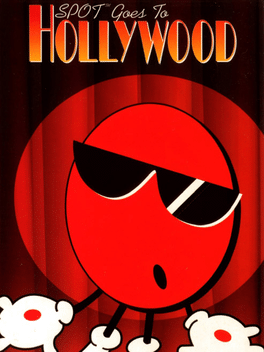
star 6.9The central character in the game is, of course, Spot. Spot has somehow become trapped in a movie projector. As he jumps from film to film, he encounters many classic film genres; these make up the various levels of the game. The main levels are a pirate movie, an adventure movie, and a horror movie, but there are many other bonus films to unlock.Donkey Kong Country 2: Diddy's Kong Quest
1995
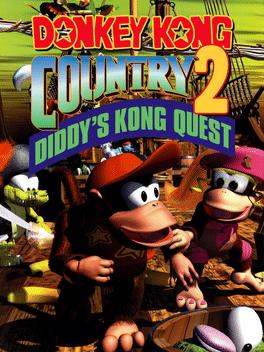
star 7.9Donkey Kong Country 2: Diddy's Kong Quest is the sequel to Donkey Kong Country. It was developed by Rare and is one of the best selling Super Nintendo games.Great Naval Battles: Burning Steel 1939-1942
1995
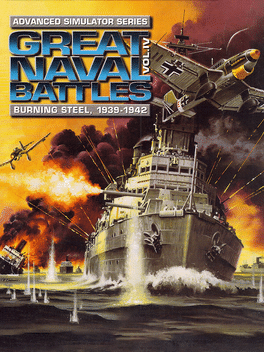
Great Naval Battles IV Burning Steel expands the scope of SSI’s line of naval simulators to include World War II naval actions in many of the theaters that saw the shadow of the battle wagon. From the frigid Barents Sea to the balmy Mediterranean, the North Atlantic and the English Channel, the Allies can be pitted against Axis forces in one-day battle scenarios or longer campaigns. The Axis forces include the German, Italian and French navies, while U. S., British, and Soviet ships are available on the Allied side. More than fourteen major engagements are featured, including the Battle of the Denmark Straits, Atlantic Convoy Run, and Bismarck and Prinz Eugen versus the Hood and Prince of Wales of the Royal Navy. In addition, over 100 random scenarios for either surface or carrier actions can now be fought. The player has a choice of difficulty levels: beginner, intermediate, advanced, and expert. The higher the level, the more the computer opponent receives an advantage in material, rate of fire, and accuracy.Power Dolls: Detachment of Limited Line Service
1995
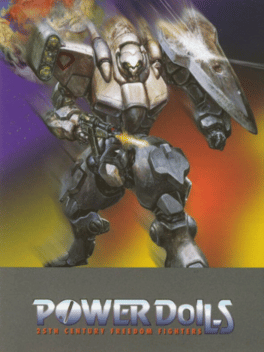
In the year 2535, planet Omni entered independence war against planet Earth government for land dispute. Facing the overwhelming Earth forces, Omni government converted the pioneering Power Loader (PLD) units into walking combat machines. In 2540, the third team of 177th squadron, an all-female combat group named DoLLS (Detachment of Limited Line Service) has seen deployment.Deathkeep
1995
Deathkeep
1995
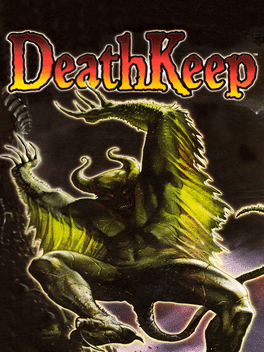
DeathKeep is a first-person shooter where the player can choose to play a fighter, fighter/mage, or mage.Road Rash III
1995
Road Rash III
1995
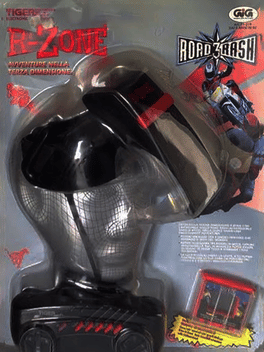
In this port the core premise remains faithful to the Road Rash franchise: you are a street racer tearing down public highways to climb the ranks of a brutal racing circuit. The R-Zone adaptation forces players to balance absolute speed with active tactical defense in a highly restricted visual space.SameGame
1995
SameGame
1995
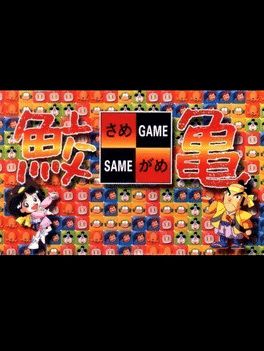
SameGame (鮫亀) is a Satellaview-compatible Slotted Cartridge game. The game was playable on its own without any data packs, it was playable in conjunction with 8M Pack data downloaded via the BS-X cartridge, and it could also be used together with the separately released Write-protected memory packs, Character Cassette and Character Data: Tengai Makyo. The game was eventually used to hype the release of the promotional game of the same family, UNDAKE 30 SameGame.ClockWerx
1995
ClockWerx
1995
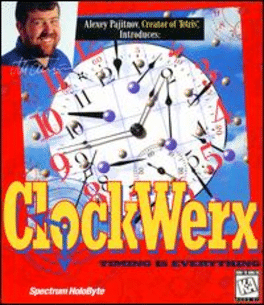
ClockWerx is a Puzzle game, developed by Axes Art Amuse and published by Tokuma Shoten, which was released in Japan in 1995. The object of the game is to solve a series of increasingly difficult levels by swinging a rotating wand from dot to dot until the player reaches the "goal" dot. Enemy wands that kill the player if touched march in predetermined patterns around each level's grid. The design is such that, with careful timing, the player can swing through seemingly impassable groups of enemies. Players can also swing from the same dot as an enemy by staying on the opposite side of it, since most enemy wands rotate at the same speed. At higher levels, more enemies are introduced, such as doors that open and close when the player's wand passes over a switch, hyperdots that send players to a different dot, and drops of acid that follow the player around.Night Head: The Labyrinth
1995
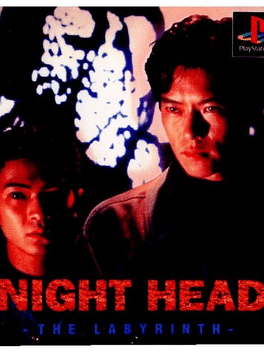
Night Head: The Labyrinth is an Adventure game on Playstation, which was released in Japan in 1995. It is based on the Japanese TV drama "Night Head" and has several endings. Some conditional branches are complex, so the difficulty is very high.Captain Tsubasa J: The Way to World Youth
1995
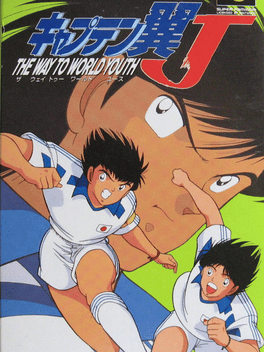
The fourth and last Captain Tsubasa game released on the Super Famicom. Takes its inspiration from a sequel anime series released in the 90s rather than the 80s original.Jazz Jackrabbit: Holiday Hare 1995
1995
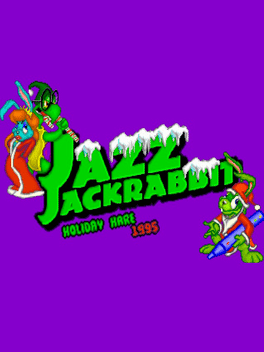
Jazz Jackrabbit: Holiday Hare is a standalone add-on for Jazz Jackrabbit. It was sometimes distributted as a demo with other games.Dragon Ball Z: Shin Butouden
1995
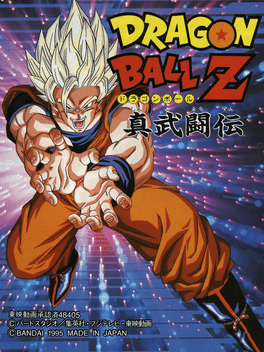
It is the fourth installment in the Butouden series. It features 27 playable characters, their sprites being those used in the earlier game "Dragon Ball Z - Ultimate Battle 22" for the Sony PlayStation. Also, the game's introduction is made with scenes recycled from the introduction of Ultimate Battle 22. The game also features two other exclusive modes: Group Battle and Mr. Satan mode. In Group Battle, players gets to create a team of five characters and fight against either another player or an AI-controlled character. In Mr. Satan mode, Mr. Satan is trying to raise enough money to pay off his debt to Android 18, and the player places bets on matches and cheats by using several items, such as banana peels, guns, and dynamite.Zenkoku Koukou Soccer 2
1995
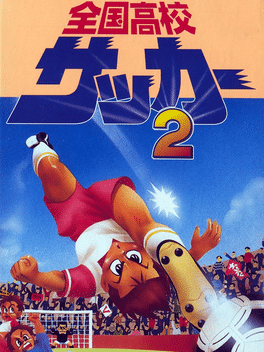
Zenkoku Koukou Soccer 2 is a Sports game, developed by Syscom and published by Yojigen, which was released in Japan in 1995.Rendering Ranger: R2
1995
Rendering Ranger: R2
1995
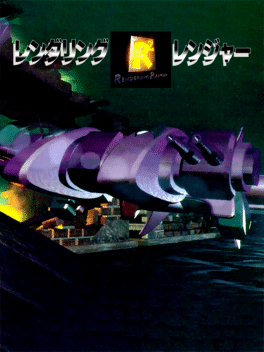
Rendering Ranger R2 is an action game developed by Rainbow Arts and published by Virgin Interactive in 1995 for the Super Famicom in Japan only. The game was slated to be released in western territories under the name Targa, but this version ended cancelled due to Rainbow Arts being unable to secure a publisher at the time. The game was created by Manfred Trenz, utilizing pre-rendered graphics. Players control the titular Rendering Ranger, a special forces soldier tasked with defending the Earth and its remaining inhabitants from a devastating alien invasion. A high score screen is present and there are many different types of laser guns to acquire throughout the post-apocalyptic adventure. The player can choose from three to seven lives. However, there are no continues so practice is essential to winning the game. The player can take five hits before losing a life but pits automatically make him lose a life. Weapons are found in floating orbs, and each color holds a different kind of gun.Block Kuzushi
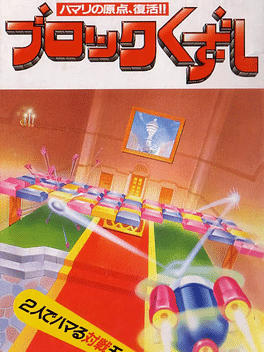
1995
Sonic Labyrinth
1995
Sonic Labyrinth
1995
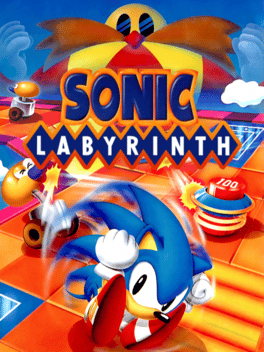
star 5.6Dr. Robotnik has created a world of 3D mazes, into which he has thrown Sonic and added a whole new dimension to his life! Now the Dude with Attitude can spin dash in every direction - collecting keys to access hidden levels and bonus rooms as he never could before. Can you help guide Sonic through the maze and past the all-new clan of evil Bosses to defeat the damnable Doctor? It is also playable on Sonic Adventure DX: Director's Cut and in the PC, Nintendo 3DS, and on the PlayStation 2 and Xbox editions of Sonic Mega Collection Plus. The game features isometric 3D gameplay similar to Sonic 3D. Sonic and Robotnik are the only characters in this game. Sonic Labyrinth was also released on the Nintendo e-Shop for the Nintendo 3DS's Virtual Console on 28 June 2013.Doom
1995
Doom
1995
star 7All Hell's Breaking Loose! This is it! The gaming addiction that's been played by an estimated 10 million fanatics on the PC. And now it's out in a sweat-soaked, pulse-pounding, adrenaline-wrenching version for the PlayStation game console. It's Doom. The Custom PlayStation Edition. Enhanced to take full advantage of the PlayStation's cutting-edge technology. With over 50 levels of madness and mayhem from Ultimate Doom and Doom II. Plus unique, new levels of destruction that make all hell break loose on your screen!Elements Voice Series vol.4 Yuri Shiratori - Rainbow Harmony
1995
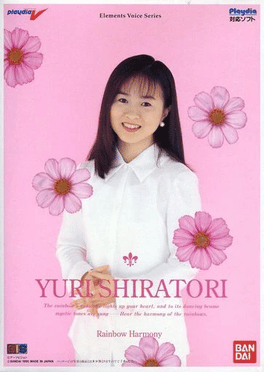
Elements Voice Series vol.4: Yuri Shiratori - Rainbow Harmony (エレメントボイスシリーズ(4) 白鳥 由里 〜Rainbow Harmony〜) is a CD-ROM-based title for the Playdia console, featuring full motion video of Japanese pop idol Yuri Shiratori (白鳥 由里).