New Games - Page 12482

Magic Carpet
1984
Magic Carpet
1984
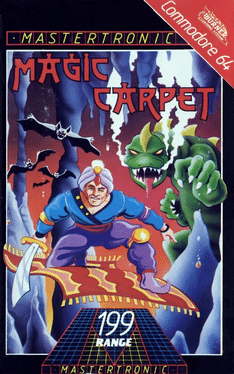
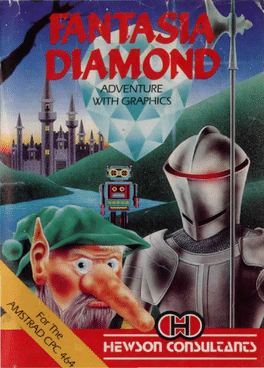
Magic Carpet was to be a Intellivision game conversion to the C64 by the Mattel Electronics France offices. The game is about piloting a magic flying carpet.Fantasia Diamond
1984
Maxwell Manor
1984
Maxwell Manor
1984
As Professor Arabesque you have been sent by a secret society to eliminate the influence of the Skull of Doom. There are over 1000 random game variations and ten skill levels.Super Don Quix-Ote
1984
Super Don Quix-Ote
1984
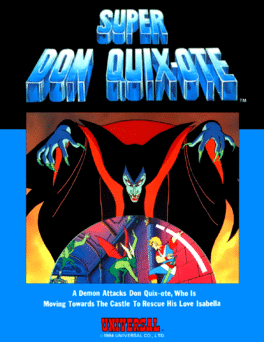
The idea for this animated laserdisc game comes from the movies and novels about Don Quixote, the legendary Spanish knight. In this game, the character looks very young and does not have a mustache. Also, he has a sword for a weapon and his faithful sidekick Sancho Panza follows him around although he does nothing to assist the hero. An assortment of mythical creatures including demons, dragons, skeletons and so on are encountered throughout the game. The game ends when Don Quixote kills the evil witch and rescues Isabella.The Quest for the Holy Grail
1984
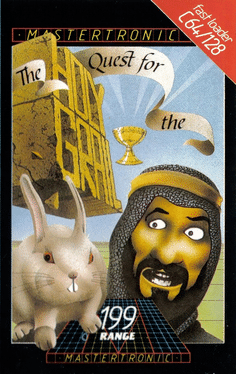
You play Sir Tappin who is on a mission to find the legendary Holy Grail.Mind Control
1984
Cheyenne
1984
Catacombs
1984
Catacombs
1984
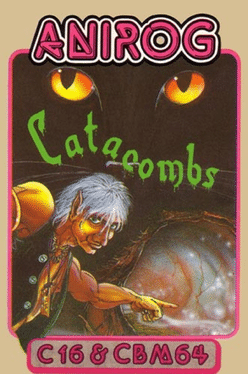
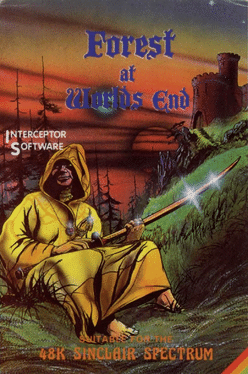
You have to go into the underground catacombs in order to find a wizard who can cure your village from the plague.Forest at World's End
1984
You have to free abducted Princess Mara from the clutches of the evi lwizard Zarn.Macbeth
1984
Incunabula
1984
Incunabula
1984
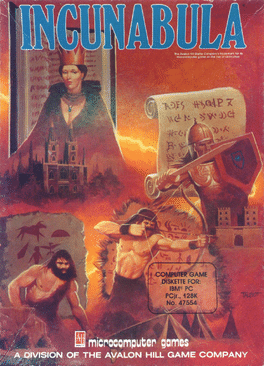
Based loosely on the Civilization biard game from Avalon Hill in which you guide your tribe towards a great nation, while competing with your neighbours and face catastrophes like earthquakes or plagues.Cavelord
1984
Cavelord
1984
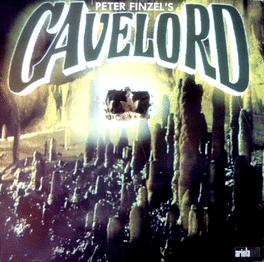
Cavelord is a fantasy action-adventure sidescroller where you must explore caves to find the three pieces of the crown for the king.Ollie's Follies
1984
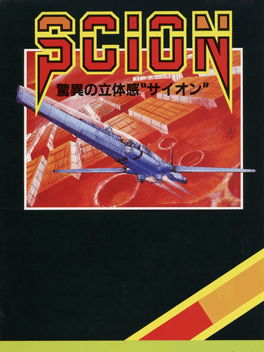
Scion
1984
Freeze
1984
Freeze
1984
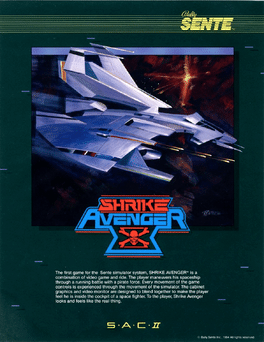
Your ship has suffered a heavy power loss, leaving you stranded on a desolate polar world. Descend into the caverns below to get the Mondo Crystal to repower your ship. Power crystals recharge your jetpack and flamethrower. Avoid contact with the polar inhabitants. Flame inhabitants for points. Keep moving or freeze!Shrike Avenger
1984
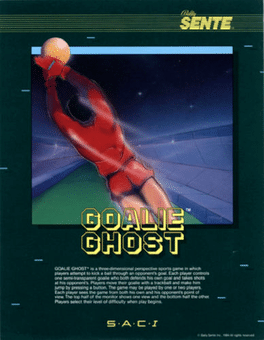
Goalie Ghost
1984
Timber
1984
Indiana Jones in the Lost Kingdom
1984
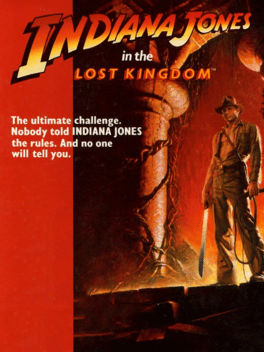
Indiana Jones in the Lost Kingdom is a puzzle video game developed by Michael J. Hanson and published by Mindscape for the Commodore 64. The game is based on the Indiana Jones series, and was released in North America around January 1985, while a U.K. version was released in March 1985. Gameplay requires the player to think like fictional archaeologist Indiana Jones to solve the puzzles of each level, as the game does not provide the player with any rules or gameplay information; the game's cover advertised, "Nobody told Indiana Jones the rules. And no one will tell you." Indiana Jones in the Lost Kingdom features six levels played across a "Lost Kingdom." Playing as Indiana Jones, the player must solve a puzzle in each level to progress through the game. The player's ultimate goal is to retrieve a valuable artifact that contains the secrets of a lost civilization, before Jones' arch-rival, Ivar Reiss, can take it for himself. Indiana Jones is armed only with a mystical cane, and must battle against numerous enem