New Games - Page 11754

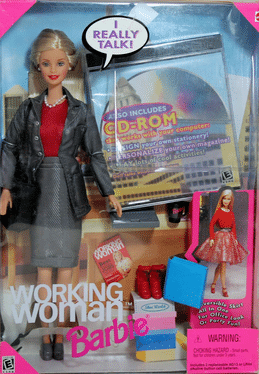
Working Woman Barbie
1999
Working Woman Barbie
1999
Working Woman Barbie is a Action game developed by Mattel Media and published by Mattel Media in 1999. The game was packaged with the doll.Photo Y2K
1999
Photo Y2K
1999
Photo Y2K is a spot the difference style game where the goal is to find five differences between two similar looking pictures. Each mistake you make costs you one life and after three mistakes it's game over. The timer also gets progressively quicker as you make your way through the game's 60 levels. You have a limited amount of helpful items that can either help you find one of the differences or restart that level's timer. Every five levels you also have the chance to play a bonus game which allows you to replenish one of your items. The game can either be played solo or cooperatively with another person.Genocide
1999
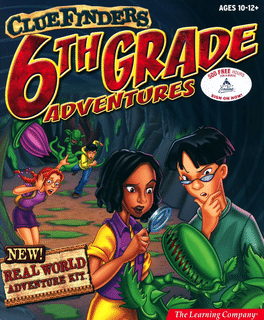
The ClueFinders 6th Grade Adventures: The Empire of the Plant People
1999
Owen and Leslie must investigate a secret underground civilization of intelligent plant life in order to rescue Joni and Santiago.Spooky Castle: The Adventures Of Kid Mystic
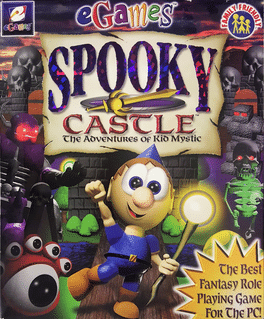
1999
When the evil Bobby Khan descended on the peaceful kingdom of Tulipton and stole all the Mystical Orbs, the king was overwhelmed. The orbs were needed to protect the kingdom from the marauding monsters (an unfortunate side effect of building your kingdom in the Monster Wilderness). So with every last knight battling the rampaging hordes, the king could spare only one wizard for a reckless mission to reclaim the lost orbs: Kid MysticFlux
1999
Flux
1999
Flux is a Direct X puzzle game for Windows. It features ray-traced graphics with many options to customize the game and has a worldwide high score competition. The play field is covered with colored tiles. When tiles of the same color are touching, they are grouped and can be eliminated from the field by clicking them. The other pieces on the screen fall into the holes left by the removed pieces which changes the layout of the play field. That is where the strategy comes in. The player has to consider the current move and it's ramification. You can even achieve an "ultra-high scoring combo" if you move the pieces in a clever way.Sim Cinema Deluxe
1999
Batman Doom
1999
Batman Doom
1999
Batman Doom is a total conversion for Doom II, created by ACE Team in 1999. In Batman Doom, the player plays Batman fighting various criminals in Gotham City. The game includes a very complex DeHackEd patch which makes it very different from Doom.Sesame Street: Music Maker
1999
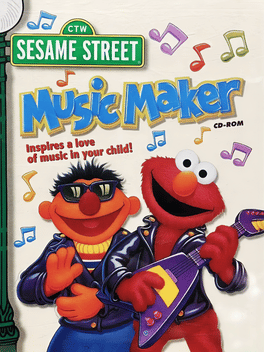
Make music sing and play and learn along the way. Sesame Street Music Maker CD-ROM exposes your child to a variety of musical concepts and sounds that unusual instruments make. Eight activities are hosted by Sesame Street characters who guide and encourage your child to enjoy the wonders of music.Close Combat Trilogy
1999
Close Combat Trilogy
1999
This compilation includes: - Close Combat - Close Combat: A Bridge Too Far - Close Combat III: The Russian FrontSurrealidade: Expressões do Inconsciente
1999
Surrealidade: Expressões do Inconsciente is a surreal cult adventure in a journey into the world of the unconscious through Surrealist Techniques. Talk to bizarre characters, solve puzzles, and learn a lot about surrealism.Super Puzzle Bobble
1999
Super Puzzle Bobble
1999
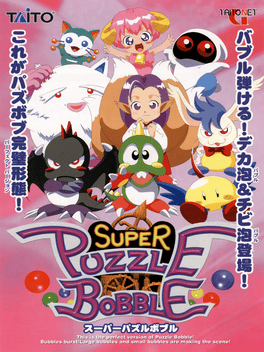
Super Puzzle Bobble (スーパーパズルボブル Sūpā Pazuru Boburu) is an arcade puzzle game in the Puzzle Bobble series developed by Taito and released in 1999. Super Puzzle Bobble's gameplay is relatively the same as previous entries. However, it introduces several new features and elements to the series. These include smaller bubbles for the player to hit small areas, big bubbles which change every bubble color in the level to itself, and blocks which can move the pointer to different areas on the board.EZ2DJ
1999
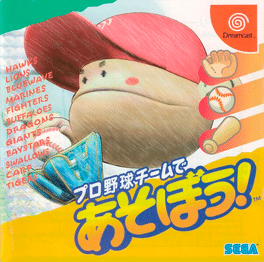
Pro Yakyuu Team de Asobou!
1999
Pro Yakyuu Team de Asobou! (プロ野球チームであそぼう!) is a big-head baseball game made by SEGA.Zelda Classic
1999
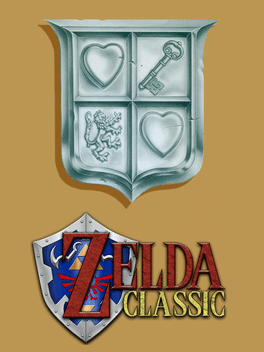
Zelda Classic
1999
Zelda Classic is an unofficial open-source Zelda fan game and game engine. It is, by itself, a recreation of the original The Legend of Zelda, but it allows the creation of expansions (called quests) which can be played with the game engine.Typing Warrior
1999
Typing Warrior
1999
Get ready to become the Typing Warrior, practicing your keyboard skills as you blow away enemies on land, at sea, and in the air. There are dazzling graphics and sounds, and a scorekeeping function that lets you track your progress. Typing Warrior is fun and easy to use for all ages!Zaphie
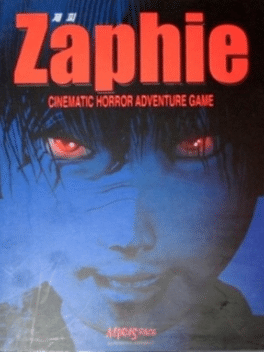
1999
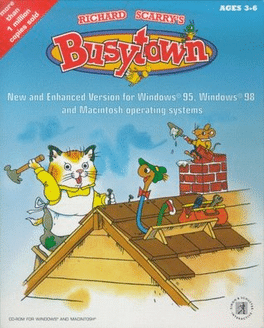
Richard Scarry's Busytown
1999
This is an enhanced remake of the 1993 game of the same name, featuring improved graphics, animation and voice acting that is now based on the 1994 to 1997 animated TV series "The Busy World of Richard Scarry". All the activities except for Bananas Gorilla and The Junior Seesaw are faithfully recreated for this Windows and Macintosh release.