New Games - Page 11630

You Don't Know Jack: 5th Dementia
2000
Jack is back. And this time he has the internet with him. For the first time in the long running series, you can play with your mates over the internet. There are 600 questions that must be answered and a new game type called Bug out, where little bugs fly onto the screen and mention a few words. If the words don't go with the clue, you must be the first to buzz in to splat the little guys. Other than that, this is the same Jack that we have (or haven't) known for some time.Agharta: The Hollow Earth
2000
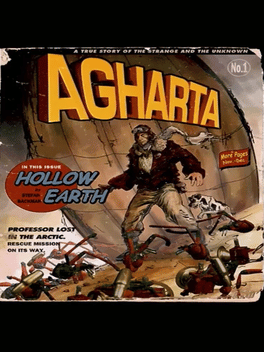
Agharta: The Hollow Earth is an point and click adventure game set in 1926, where you play as a pilot who is asked to fly to the North Pole and find a scientist who was lost with his expedition to find the entrance to the Hollow Earth.America's Toughest 18
2000
America's Toughest 18 is a golf game that instead of offering several real courses, includes the hardest 18 holes on the continent (according to the developers, who included some background description and videos of each hole). Each number corresponds to the order in the real course. It has the usual modes, such as Strokeplay, Matchplay, Stableford, Tournament and Skins, two swing methods (hold, release, click and triple click) with three difficulty levels and the usual options such as fade or draw the ball. It is possible to edit and create new golfers, although options are limited to selecting one of six digitized animations, the shirt colour, swing method and difficulty and the starting tee.PickUp Express
2000
Pencil Whipped
2000
Rocko's Quest
2000
Microsoft Flight Simulator 2000: Airbus 2000 - Special Edition
2000
Microsoft Flight Simulator 2000: Airbus 2000 is a add-on for Microsoft Flight Simulator 2000 that gives you a great collection of Airbus airplanes to choose-from A300 to the cargo Airbus-the Beluga.Disney's Dinosaur Activity Center
2000
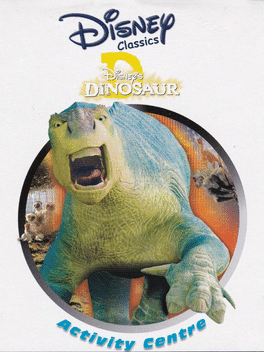
Disney's Dinosaur Activity Center is a collection of five games games with gameplay similar to parts from the film. Their are actual stills, 3D additional new scenes and even some quotes from the film.The five games include Lemur Love Match, Colossal Fossil Face off, Stracosaurus Spelunker, Iguanodon Pond-a-thon and Line O' Dinos Puzzle Maker. Some games have level selection that go from either 1-3 or 1-60. Others might have timing or help.New Vegas Games
2000
ECW Anarchy Rulz
2000
ECW Anarchy Rulz
2000
Acclaim brings its third wrestling title to the Dreamcast with ECW: Anarchy Rulz. More than 60 ECW wrestlers are included in the game including Dusty Rhodes, The Sandman, and Masato Tanaka. Choose from any of the available wrestlers or create your own jump into the action in any one of the more than 25 modes of play.Opsys
2000
A Crimson Spring
2000
A Crimson Spring
2000
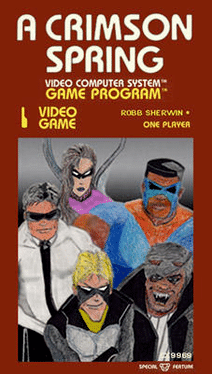
A Crimson Spring is interactive fiction in the classic style of Infocom. Using an advanced parser, the player controls the lead character through several different scenes within the super-hero genre. The player controls the actions and moral code of one such hero -- the Holy Avenger -- as he attempts to investigate the murder of his lover and partner.Start-Up 2000
2000
Start-Up 2000
2000
Secure venture capital, create unique products, and manage marketing, distribution, and manufacturing to maximize profits. Analyze trends, competition, and research for sustained success. Choose between online or traditional sales, hire wisely, and outmaneuver up to 7 players for startup supremacy.Sorcerian Original
2000
Sorcerian Original
2000
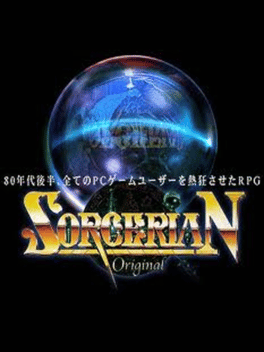
A remake of the classic RPG Sorcerian for Windows PCs. In Sorcerian you created a party of four adventurers and set off to solve a series of scenarios each with their own unique quests and challenges, which usually involve exploring a specific dungeon and retrieving some treasure or slaying a specific monster. Gameplay is mostly action-oriented with the addition of upgradable stats and the ability to equip different weapons and magic items.Groovy Bunch of Games
2000
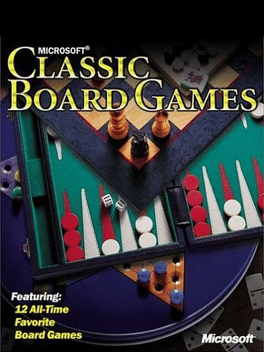
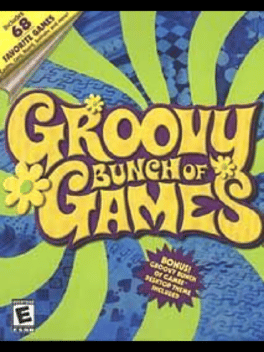
Groovy Bunch of Games spans a collection of genres like board gaming and card gaming.Animorphs
2000
Animorphs
2000
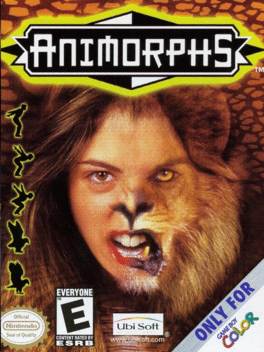
The best-received of the three Animorphs games, this RPG made much better use of the series' extended cast and universe. Battles play out similar to the Pokémon series, with turn-based battles and "capturing" morphs.