New Games - Page 11200

Nicktoons: Movin'
2004
Nicktoons: Movin'
2004
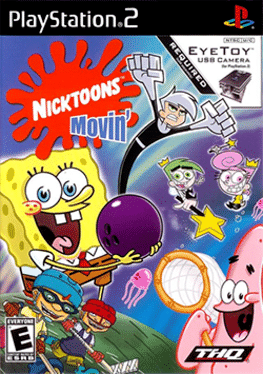
Nicktoons Movin' is an EyeToy mini-game collection based on popular Nickelodeon cartoons. The game features 13 different mini-games with different skill levels based on series like SpongeBob SquarePants, Jimmy Neutron, The Fairly OddParents and Danny Phantom. The players steer a hang glider, control a bowling ball, defend a goal against pucks playing as a goalie, guide a submarine, zap ghosts, solve a classic puzzle by moving the pieces, and more - all by EyeToy registered movement of the player's hands. The game features voice acting done by the original actors from the cartoons and the characters deliver numerous lines of dialog throughout the game.F-Zero Climax
2004
F-Zero Climax
2004
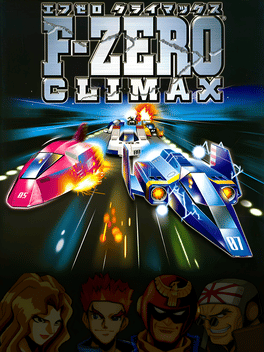
F-Zero Climax is the sixth installment in the F-Zero series and the third to be released for the Game Boy Advance. This is the first F-Zero game to have a built-in track editor without the need for an expansion or add-on. Custom tracks can be saved to one of thirty slots for future use and they can be exchanged with other players via link cable. If memory becomes full or link cable connection cannot be done, the game can generate a password for the track; when it is input on any F-Zero Climax cartridge, the password will generate the track instantly.The Nightmare Before Christmas: Oogie's Revenge
2004
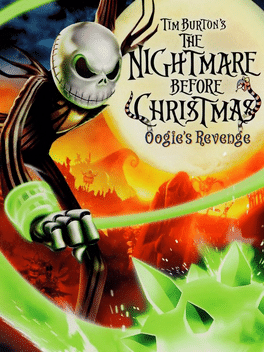
star 6.2Action game based on Henry Selick's stop-motion movie masterpiece. Players slip into the role of Jack Skellington, King of Halloween, and relive the adventures set in Tim Burton's dark world. Following the events of the Tim Burton's The Nightmare Before Christmas movie, players take control of Jack Skellington who sets out on a search of new ways to spook kids during Halloween. He returns home to find that Oogie Boogie has returned and Halloween Town is in peril once again. The game combines elements of action, platforming, and rhythm-based gameplay, as Jack must also perform musical battles to defeat certain bosses and progress through the story. Each battle is set to a unique musical number, bringing the dark charm of the film's soundtrack to life in a new and interactive way.Qingniao de Xuxiang
2004
Sex Kitten Sim-Date 3
2004
Our hero(you)has time to kill while your girlfriend has gone to South Korea. You now have to spend your time chatting up some nightclub chicks!Colin McRae Rally 2005
2004
The mobile version of the console Colin McRae Rally 2005 game, the J2ME version contains tracks in 4 countries with 3 stages for each track. Damage taken can be repaired between stages, but you've got a limited amount of time you can spend in the service area each time so you may not be able to repair everything if you take too much damage. The game includes various modes of play (including an option to race against a ghost of a previous lap), and weather effects on some of the tracks.Incadia
2004
Incadia
2004
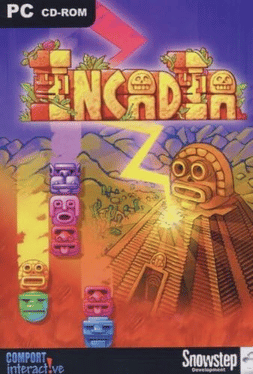
Incadia is a tile-matching puzzle game set in Inca civilization where columns of three tiles (totem heads in this game) fall slowly from the top of the screen, and have to be arranged at the bottom. Horizontal, vertical, or oblique matches of three or more tiles remove them from the game.Nikujin
2004
Luigi's Invasion
2004
Might and Magic Mobile
2004
For centuries, Erathia has been devastated by a war between humans and demons. To make matters worse, the king is being held prisoner by the demon armies. The hero, Ewan, is sent to rescue the king by a mysterious nobleman. His quest will result in encounters with an elf archer, a captain of mercenaries and countless other friends and foes. The monstrous kidnappers will try to set traps in these hostile environments, but any hero knows to proceed with caution when dealing with demons.Teenage Mutant Ninja Turtles 2: Battle Nexus
2004
Teenage Mutant Ninja Turtles 2: Battle Nexus was released for the Game Boy Advance; which is 2D platformer, opposed to it's concurrently released variation for PS2, GameCube and Xbox that is a third person beat 'em up. It released in 2004 by Konami and was the sequel to Teenage Mutant Ninja Turtles and based on the 2003 TV series.1000 Words
2004
1000 Words
2004
1000 Words is a word puzzle game set in ancient Greece. A young apprentice of Xerxes gets the opportunity to leave the peasant life and take a stab at gold and glory by challenging mythical figures and gods. The gameplay is based on anagrams. Games start with a mix of six letters used to construct words of different length. Letters are selected by moving an arrow-shaped cursor. When a word is formed, points are awarded, a meter fills up, and new letters appear on the tablet. Next to the story mode, the three game modes can also be played in the Quickplay mode: Classical: find as many words of different length as you can before time elapses. 6-Letter Challenge: find the 6 letter word in a given number of tries. Evolution: find words of specific length before time runs out. While playing, players can earn bonuses that provide additional time or freeze it, guess a word for the player, or shuffle the letters. The player can also receive penalties from his opponent. These empty the bonus gauge, mirror the letters or evSacred Plus
2004
Sacred Plus
2004
star 7.2A shadow of evil has fallen on the kingdom of Ancaria. It is a time for champions - a time to journey into the perilous world of SACRED. Battle blood-thirsty orcs & lumbering ogres... Destroy undead wizards & rotting mummies... Slay hellish demons & legendary dragons. With blazing magic & sharpened steel, prepare to embark on an epic quest of fantasy adventure & heroism. Sacred Plus incorporates all of the feedback from the player community since the first release of Sacred. This includes an optimized interface, and many completely new features: two new regions, two additional main quests, new item sets and weapons, and many new creature types which make adventuring in Ancaria even more dangerous.Hidden & Dangerous 2: Sabre Squadron
2004
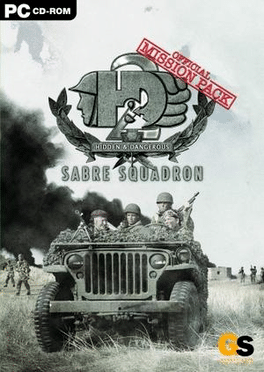
star 7Sabre Squadron introduced nine new single player missions, seven new multi-player maps, and a now finished, death-match map called "Poland", which had been featured in the game's intro and was titled "London" and available for play in its unfinished state before this release, new weapons: the RPzB 54, the MAS-36, the G43, a suppressed P08 and a Harrington & Richardson Mk VI flare pistol; the ability to hold your breath while looking through a telescopic sight, a co-operative multi-player mode, along with access to the original Hidden and Dangerous 2 missions through Sabre Squadron's interface.Men of Valor
2004
Men of Valor
2004
star 6.2Vietnam, 1965. You are Dean Shepard, a "cherry" to the 'Nam with zero war experience other than standard boot camp training at Parris Island, SC. Along with your platoon, you will fight the NVA and the Vietcong in true historic locales and battles.Teenage Mutant Ninja Turtles 2: Battle Nexus
2004
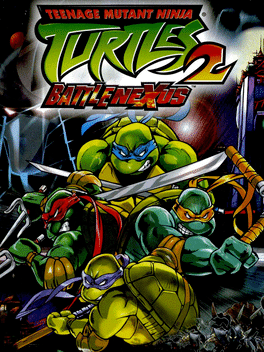
star 5.7The sequel to 2003's updated beat 'em up, Teenage Mutant Ninja Turtles 2: Battle Nexus sets the turtle quartet on another adventure from the series' second season, this time allowing the entire team to work together via a 4-player multiplayer mode. Each turtle now has their own unique ability and special fighting moves that fit in with their personality: such as operating switches and computers, or moving or destroying stationary objects. In single-player mode, players can switch turtles on the fly in order to accomplish the various tasks. Throughout some levels, the turtles also have racing sections over various terrains. As players progress through the game, they can find secret items, abilities, and power-ups, including the original late 1980's Teenage Mutant Ninja Turtles arcade game.Outlaw Golf 2
2004
Outlaw Golf 2
2004
star 6.5The crude cast of Outlaw Golf is back with new friends, courses, fighting moves, and more. Choose from 11 wild characters--including babes, rappers, and thugs--and take on the challenges from eight courses, ranging from the arctic to the jungle. By playing through the tour and winning events, you can unlock more clubs, balls, and outfits. In addition to tournament mode, the game features match, time attack, and baseball golf modes. Just remember--even if your golf game is off, you can still beat up your opponents, or even your caddy.All Grown Up!: Express Yourself
2004
Finally a game made just for girls! Help Angelica with the school newspaper, sing a song with Susie, put together stylin' outfits with Lil, swap information with your best friends, take a vote on a hot topic or use the PDS function to plan your busy week!PelPet
2004
PelPet
2004
PelPet climbs down a ladder. Players can add or remove the crossbars to change PelPet's direction. As PelPet goes down and down, he becomes faster and faster; collect items to help manage your journey and avoid obstacles.