New Games - Page 11091

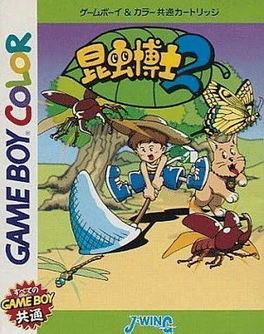
Konchuu Hakase 2
1999
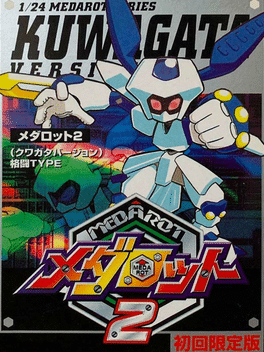
Medarot 2: Kuwagata Version
1999
Medarot 2 was released in 1999 for the Nintendo Game Boy. It's a direct sequel to Medarot 1, and follows the first adventures of Ikki Tenryou and his friends in the town of Omikuji. Unlike its predecessor, Medarot 2 can be played in full color on a Game Boy Color. Like the other RPGs, the game was released in two versions where the main difference is the player's starting Medarot: Kabuto (Rhinoceros beetle, Metabee) and Kuwagata (Stag beetle, Rokusho). Along with the starting Medarots, there are some Medarots and Medals that can only be obtained in a specific version. A remake of the game for Game Boy Advance, titled Medarot 2 Core, was released in 2002. While the remake saw releases in North America and Europe, the original Game Boy version of Medarot 2 has never been translated into English.Jisedai Begoma Battle Beyblade
1999
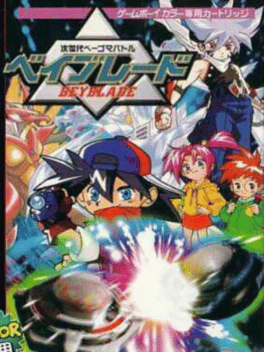
Jisedai Begoma Battle Beyblade is a Japanese only RPG entry in the BeyBlade franchise.Medarot 2: Kabuto Version
1999
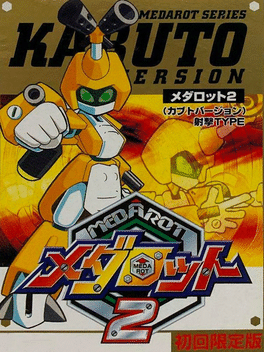
Medarot 2 was released in 1999 for the Nintendo Game Boy. It's a direct sequel to Medarot 1, and follows the first adventures of Ikki Tenryou and his friends in the town of Omikuji. Unlike its predecessor, Medarot 2 can be played in full color on a Game Boy Color. Like the other RPGs, the game was released in two versions where the main difference is the player's starting Medarot: Kabuto (Rhinoceros beetle, Metabee) and Kuwagata (Stag beetle, Rokusho). Along with the starting Medarots, there are some Medarots and Medals that can only be obtained in a specific version. A remake of the game for Game Boy Advance, titled Medarot 2 Core, was released in 2002. While the remake saw releases in North America and Europe, the original Game Boy version of Medarot 2 has never been translated into English.Warhammer 40,000: Rites of War
1999
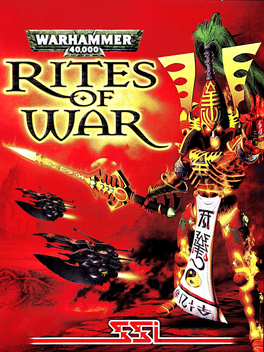
star 8Inspired by the board and figurine games made popular by Games Workshop, the universe of Warhammer 40,000 is a vast and violent one, rife with strange, alien races, including the Eldar. Rites of War features a tightly crafted storyline composed of 24 missions and varied victory conditions as you lead the Eldar in their fight for survival. Additional scenarios allow for control of Tyrannid and Imperial armies and a glory point system lets you build and customize your own army, with 8 distinct troop classes ranging from War Machines to Assault Troops to Devastator Squads. A level-based experience system enhances the game's RPG (Role-Playing Game) element, allowing you to upgrade and customize units, enhance warrior skills and employ "psyker" (psychic) abilities.Jagged Alliance 2
1999
Jagged Alliance 2
1999
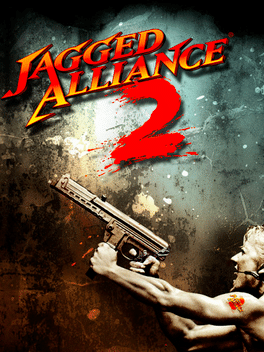
star 8.6Jagged Alliance 2 is a perfect blend of strategy, roleplaying and tactical combat. With dozen of new weapons, 150+ individual in-game characters, realistic combat physics and more than 10,000 lines of digitalized speech. Welcome to the killing grounds!Denpa Shonen-teki Kenshoseikatsu Soft Nasubi no Heya
1999
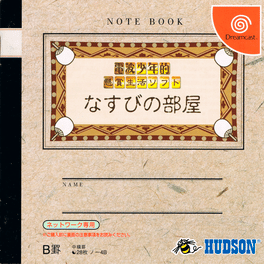
Denpa Shonenteki Kenshoseikatsu Soft Nasubi no Heya (電波少年的懸賞生活ソフト なすびの部屋) is a 1999 game by Hudson for the Sega Dreamcast. It ties into a Japanese reality show where a comedian willingly locked himself in a small apartment living off sweepstakes winnings until he won ¥1,000,000 worth of goods.Rockman Dash 2: Episode 1 - Roll-chan Kiki Ippatsu! no Maki
1999
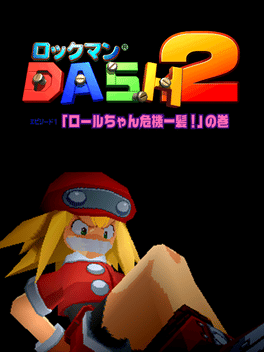
Included with the release of Tron ni Kobun, this game is a technical demo that serves as a prelude to Rockman Dash 2: Episode 2 - Ooinaru Isan (Mega Man Legends 2). These four missions precede the events of Episode 2, which made up the entirety of Mega Man Legends 2 for versions outside of Japan, though they are mentioned in the later game's dialogue.Endless Season
1999
Endless Season
1999
In simulation game "Ano Ko Doko no Ko: Endless Season", you have to befriend and become lovers with a girl within the given time. In single-play story mode, you have to meet, befriend and become lover with a girl, then overcome various challenges to obtain happiness within six months. Even after a successful confession, you may have to overcome all kinds of ordeal and find your own happy ending.Racing
1999
Racing
1999
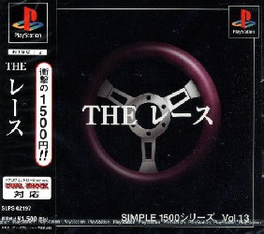
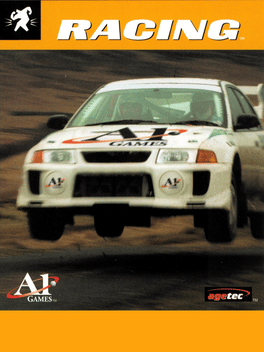
Racing as the title suggests is a simple racing game. It features both a short and a long distance race course, a mirrored version of the long course, plus different skill levels. Before a race begins, players select a car (out of 6 total), and then set whether they want automatic or manual transmission, and whether they want a drift or grip setting. Races have the player racing against 3 opponent racers. Players try to attain the fastest lap times and the fastest total race time while trying to defeat their opponents. The players fastest times can then be saved. The game also contains a brief tutorial that explains the controls and some techniques of racing.Remote Control Dandy
1999
Remote Control Dandy
1999
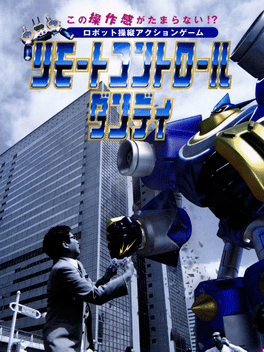
A Japan-only Playstation game in which you play a little boy controlling a giant robot via remote control. Developed by Sandlot, who later developed the Earth Defense Force series, and had a direct sequel -- Remote Control Dandy SF -- on the PS2.Doko Demo Issyo
1999
Doko Demo Issyo
1999
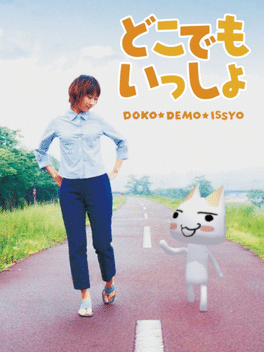
Doko Demo Issyo (どこでもいっしょ, Together Everywhere) is a 1999 Video Game developed by Bomber Express and published by Sony Computer Entertainment Inc. for the PlayStation, released on July 22, 1999 in Japan. Doko Demo Issyo was one of the games that used the PocketStation; it was instrumental in making the device sell so well in Japan. It is the first game in the Doko Demo Issyo Series. Doko Demo Issyo is a communication game, a game where you interact with the characters through words and phrases. The player can choose from five characters known as Pokepi and interact with them in an apartment. They can be taught words, and the player can answer questions asked by them. The biggest feature of Doko Demo Issyo is its compatibility with the PocketStation, a handheld device that often came packaged with the game, and its reliance on the device made the PocketStation required to play the game. It allowed the player to take any of the Pokepi with them anywhere, and they can continue to interact through theGekisou TomaRunner
1999
Gekisou TomaRunner
1999
Gekisou TomaRunner is an on-foot racing game with various crazy/fantasy/fable/mythological characters where the aim is to navigate the various split path tracks to victory. The game puts heavy emphasis on using the terrain to gain the upper hand over the opponent, and on top of that there are several bonus items to pick up which either can aid the player or be used as weapons against the opponents. The characters all run at a set speed, but using the left and right arm as well as well timed jumps on poles, springboards and hurdles will give the player a speed boost. If enough momentum is gained, the character leans forward and starts dashing at a much faster speed. Some areas will even allow the player to be airborne for a certain amount of time if the right path is chosen and if enough speed is gained. Hitting obstacles, getting punched by opponents or having any of the "weapon" items used against the player will slow their speed down significantly, sometimes even resulting in the character falling over in a stunnGerms: Nerawareta Machi
1999
Germs: Nerawareta Machi is a first-person open world adventure game released exclusively in Japan for the PS1. The only game developed and published by Japanese CG animation company KAJ, Germs stars a reporter who returns to his hometown to investigate a mysterious glowing object, as well as a series of mutations happening to the townspeople that might be connected to it.Ultimate 8 Ball
1999
Ultimate 8 Ball
1999
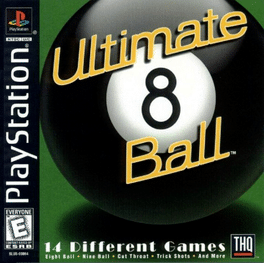
Ultimate 8 Ball offers 14 types of pool games with the majority of them supporting multiple players. Games include two versions of Eight Ball (UK and US rules), Nine Ball, Ten Ball, Six Ball, Three Ball, Straight Pool, Rotation, Speed Pool (single player), Killer, Ten Pin (a bowling format), Bank Pool, One Pocket, and Cut Throat. An additional option, Hustle, is a single-player mode with three distinct difficulty settings in which the player competes against 15 computer-controlled opponents. Winning against at least one opponent in each of four levels earns the player the chance to face the reigning computer champion, Joe Philly.Makaimura for WonderSwan
1999
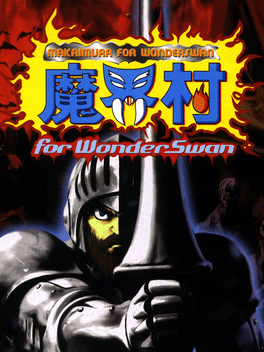
Makaimura for WonderSwan (Japanese: 魔界村?, "Demon World Village for WonderSwan") is a game for the WonderSwan developed by Capcom and published by Bandai in 1999 and is part of the Ghosts 'n Goblins franchise. Sharing similar gameplay to its predecessors, Makaimura also shares enemies, weapons and backgrounds from the previous three games. Unique features include double paths from the second till the fifth levels, swimming in water and a level which requires the player to rotate the wonderswan by 90 degrees as Arthur climbs and swings down a rope in a vertical shaft. Unlike other games, the player is not required to repeat the game after the penultimate level in order to get the one weapon to defeat the final boss Azrael.Puyo Pop
1999
Puyo Pop
1999
star 8.4A Neo Geo Pocket port of Puyo Puyo Tsuu, licensed to SNK by Sega, was released in North America and Europe as Puyo Pop. Unlike previous English Puyo Puyo games, the NGPC Puyo Pop retains both the character designs and (almost) all of the character names from the Japanese version. As in the English translations of the first game, Satan is renamed "Dark Prince."