Most Popular Ps2 Games - Page 21

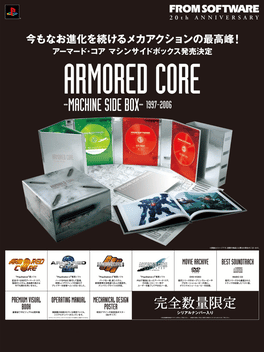
Armored Core: Machine Side Box
2006
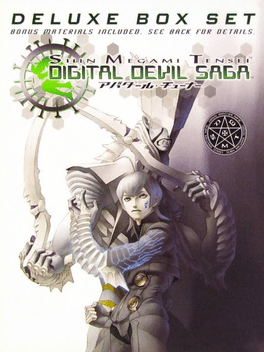
This is a limited amount game package which includes Armored Core, Armored Core 2, Armored Core 3 and Armored Core Last Raven. It also includes items to honor the long history of the Armored Core franchise: a special footage DVD, a best hits soundtrack, a premium visual book, an operation manual and a large AC blueprint poster.Shin Megami Tensei: Digital Devil Saga - Deluxe Box Set
2005
Collector's Box for Digital Devil Saga and Digital Devil Saga 2. Includes official soundtrack CD featuring 30+ tracks from the game and a full color 40 page manual.Ultimate Spider-Man: Limited Edition
2005
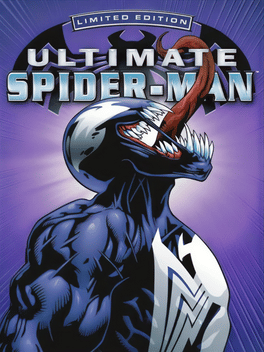
The Limited Edition released exclusively on PlayStation 2 includes additional bonus content not found in the standard edition, such as: - A behind-the-scenes “Making of Ultimate Spider-Man” documentary - An exclusive interview with Spider-Man co-creator Stan Lee - Character biographies (e.g., Spider-Man, Venom, Carnage, Beetle) - Gameplay tips and tricks - A special edition Ultimate Spider-Man comic book and enhanced artwork packaging Ultimate Spider-Man is a 2005 open-world action-adventure game based on Marvel’s Ultimate Spider-Man comic series. The game’s art style uses 3D Comic Inking Technology to emulate the look and feel of the original comic panels. Players explore a free-roaming recreation of New York City, engaging in narrative missions, combat encounters, chase sequences, and side activities. The story is set in the Ultimate Marvel universe and follows two playable characters—Spider-Man and Venom—each with distinct combat styles and intersecting storylines. Missions span fighting iconic vilRebirth Moon
2005
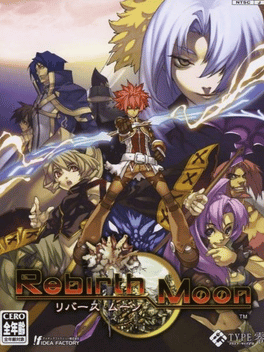
Rebirth Moon
2005
Rebirth Moon is a strategy role-playing game, developed and published by Idea Factory, which was released in Japan in 2005.NeoGeo Online Collection Complete Box: Gekkan
2009
This collection includes NeoGeo Online Collection versions of The King of Fighters Collection: The Orochi Saga, The King of Fighters NESTS Collection, The King of Fighters '98 Ultimate Match, World Heroes Anthology, Bakumatsu Rouman: Gekka no Kenshi 1-2 and Fu'un Super Combo.NeoGeo Online Collection Complete Box: Joukan
2009
This collection includes Garou: Mark of the Wolves, Sunsoft Collection, Fatal Fury: Battle Archives Volume 1, Fatal Fury: Battle Archives Volume 2, Art of Fighting Anthology and Samurai Shodown Anthology.Dear My Friend: Love Like Powdery Snow
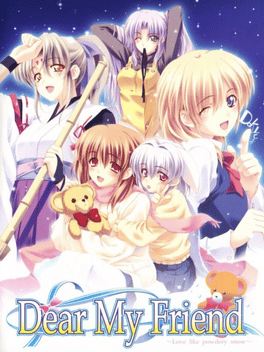
2005
A censored version of Dear My Friend with extra stories. This light-hearted, high school visual novel surrounds the exploits of a soon-to-be non-average student named Kyoichi Morikawa. The son of the odd paring of a nurse and a poorly-selling novelist, he’s been living his life in mind-numbing virtuosity. One auspicious day his father returns home after running errands with a girl (about Kyoichi’s age) claiming to be orphaned. Being the good Samaritan, our hero’s father adopts the hapless girl. Now Kyoichi must explain the extraordinary circumstances to his one and only friend. Furthermore, seeing the main character with a girl has caused several of the female student body to take notice of him...Fragments Blue
2006
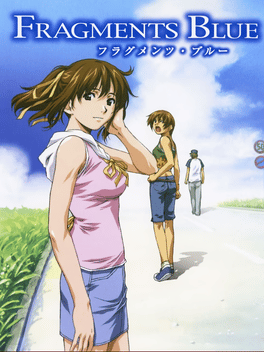
Fragments Blue
2006
This novel-type adventure begins when the main character Kaname Ousaka takes delivery of a letter and a key. In search of the letter's source, he heads back to his home town of Shimizu and learns of a quest to collect a set of such keys in order to open a box that will lead to happiness. The game includes love elements and interactive conversation sequences.Chuukana Janshi Tenhou Painyan
2004
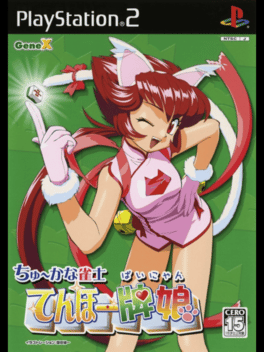
Play mahjong against cute and colorful characters designed by popular manga artist Kenichi Sonoda, known for his work on popular series such as Bubblegum Crisis, Gall Force, Gunsmith Cats, and Riding Bean.Natsuiro: Hoshikuzu no Memory
2004
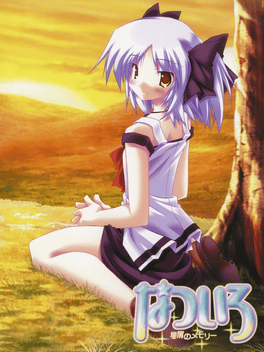
This is an adventure game originally released on PC, depicting a story of pure love with girls met during a lakeside summer vacation. The PlayStation 2 edition features an enhanced storyline, with new events and CG illustrations added. After the death of his father, the protagonist returns to his hometown villa for the first time in many years. There, he meets four girls, and through their interactions, his sorrowful memories gradually transform into gentle, cherished ones.Prism Ark: Awake
2008
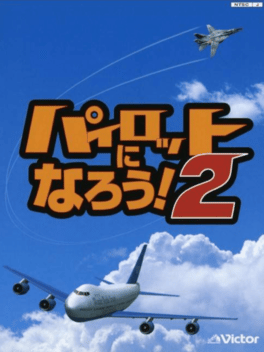
Pilot ni Narou! 2
2001
Pilot ni Narou! 2
2001
Take to the skies with Pilot Academy 2 for the PS2, the sequel to the acclaimed flight simulation game that puts you in the pilot's seat. Experience the thrill of flying with enhanced graphics, realistic physics, and a wide array of aircraft from commercial jets to combat fighters. Navigate through various weather conditions, master challenging takeoffs and landings, and handle emergency scenarios that test your skills and reflexes. With its expansive training modules, diverse missions, and multiplayer modes, Pilot Academy 2 elevates the flight simulation genre to new altitudes. Whether you're a budding aviator or a seasoned pilot, this game offers an immersive flying experience that captures the wonder of soaring through the skies. Strap in, throttle up, and embark on a journey beyond the clouds!Soccer Tsuku 2002
2002
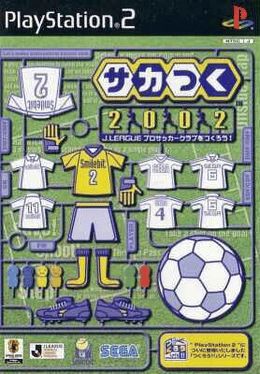
Soccer Tsuku 2002
2002
Soccer Tsuku 2002 is a soccer management simulation coded by SEGA's Smilebit team. Based on the Japanese Saturn hit, Soccer Tsuku puts you in control of your very own football club. Utilizing full J-League licensing, you can pick your favorite players from both J1 and J2, as well as a select number of famous world soccer players. Assemble your dream team, train it, and take it through the story mode -- or pit it against a friend's team. Soccer Tsuku was only released in Japan.Itsuka, Todoku, Ano Sora ni.: You no Michi to Hi no Tasogare to
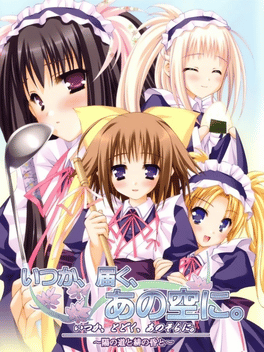
2007
All-ages port of Itsuka Todoku, Ano Sora Ni, which adds new epilogues and CGs for existing heroines and elevates Meme to heroine status with her own route.D.C.F.S.: Da Capo Four Seasons
2005
Contains three of the seven scenarios of D.C. Winter Season (slightly expanded) and the six D.C. Summer Vacation scenarios (set in different seasons, and two of them rewritten), all of them without the erotic content, and adds three new scenarios. Doesn't include the minigames of either of them.Kidou Shinsengumi: Moeyo Ken
2002
Set in the end of shogunate period, a turbulant age, there were those men who stood for the peace of Kyoto city, concerning the deterioration of safety there. People called them “Shinsengumi” with respect and awe. At the same time in Kyoto, there were battles against evil spirits. Shinsengumi secured the peace in Kyoto while protecting the shrine maidens who had magical powers to keep the evil away. But the peace in Kyoto did not last for a long time as the evil influence again crept upon the city. Kyoto has turned to be a dangerous place where swarms of demons wander. They do not have physical substance; only what police can do is guiding the fleeing citizens. Unable to stand by any longer, Kaishu Katsu who was in power at the time formulated a troop dedicated for slaying demons, headed by the wife of Ryoma Sakamoto, Oryou. In 1882, this was the birth of Kidou Shinsengumi. Created and Directed by Ouji Hiroi, an acknowledged leading creator with the huge hit of “Sakura Wars.” Character design by Rumiko T