New Playstation Games - Page 19

M&M's Shell Shocked
2001
M&M's Shell Shocked
2001
star 6.9M&M's Shell Shocked is an Action game, developed by Boston Animation and published by Simon & Schuster, which was released in 2001.Backyard Soccer
2001
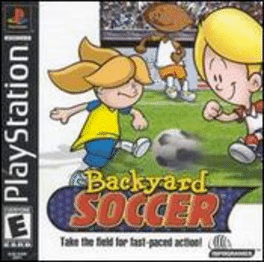
Backyard Soccer
2001
star 3.9Backyard Soccer is the first game in the Backyard Sports Soccer Series. Gameplay is simple. There are 30 kids to pick on a team, and many custom color teams to create. You also get to be in two game types: Single in which you play one small game and Season play, in which you play for a whole a lot of time and features you playing against some unusable custom teams.. This game also includes a practice mode to help you get used to the kicking in the game, and also shows what it is like during a penalty. All rules to soccer including fouls and hat tricks, are included in the game. When picking the kids on your team you will want to read about how good they are - don't just pick a kid cause they look cool.Simple 1500 Series Vol. 73: The Invaders - Space Invaders 1500
2001
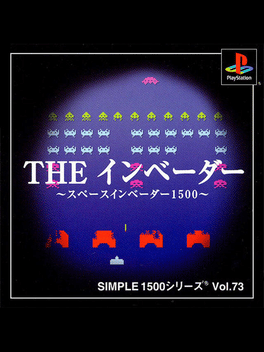
The Invaders - Space Invaders 1500 features the originals arcade machines (with and without background artwork) and a new 3d mode, called Space Invaders 3D that features a new graphics 3d engine, a first person view and other camera angles and vibration function for all the modes modes.Hunter X Hunter: Ubawareta Aura Stone
2001
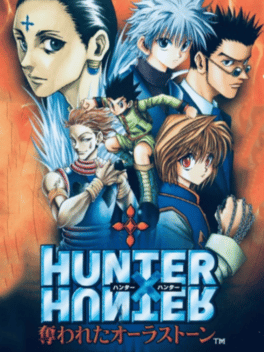
The second Hunter X Hunter game released on the original PlayStation.International Cricket Captain 2001: Ashes Edition
2001
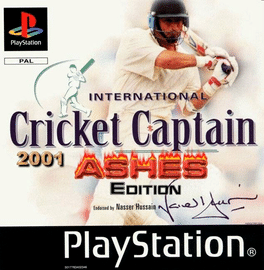
Captain any side in the two division county championship and play in all domestic tournaments including the National League and the Super Cup. Historical scenarios featuring great players from the past. Why not replay the '99 World Cup? Pick your team, choose your bowlers, make declarations, set the field, prepare the pitch, sign new players. The decisions are yours.Tiny Toon Adventures: Plucky's Big Adventure
2001
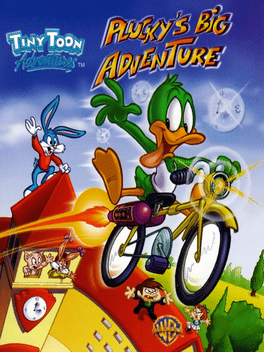
Players head out for an adventure with the Tiny Toons gang in Tiny Toon Adventures: Plucky's Big Adventure for PlayStation. In this title, based on the Tiny Toons animated series kids can play as Plucky, Hamton, Buster and Babs as they explore twenty-plus levels of Acme Looniversity in search of parts for a time machine for Plucky. While avoiding the incorrigible Elmyra and Montana Max, players help the gang seek out the time machine parts in order for Plucky to travel back in time to finish his homework. Searching all over the Looniversity in Acme Acres, players explore many places including the music room, history room, tennis courts and hallways. Items will vary from a bicycle pump to a potato and once an item is found, players can proceed with the level or return to the controlling character's respective locker to store the item. Each character can carry only three items at one time and players must decide which items are the most useful for each current level. Certain items are not time machine parts but rathKomocchi
2001
X-Men: Mutant Academy 2
2001
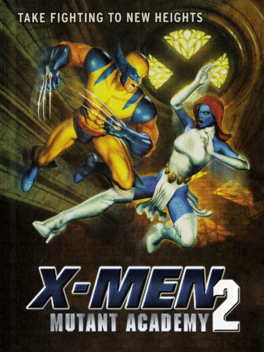
star 6.7X-Men: Mutant Academy 2 is a PlayStation video game, the sequel to X-Men: Mutant Academy. Both feature the X-Men in a 3-D fighting arena similar to Mortal Kombat 4. Like its predecessor, the game allows the player to select from several heroes and villains and includes many of the signature moves from the comic. The game also includes a behind-the-scenes look at X-Men: The Movie concept sketches, costumes and other similar material.Windsurfers Paradise
2001
Windsurfers Paradise
2001
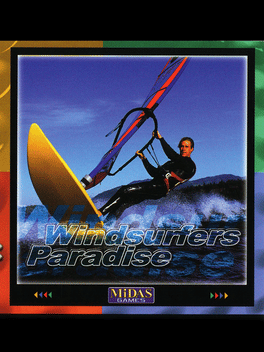
Windsurfers Paradise is a video game available, on PlayStation, of sport genre, developed by Theyer Gfx and published by Midas Interactive Entertainment. Sail over the waves of four of the world's most beautiful beaches. It's down to you to master your own lightweight windsurfer, before you dive in to challenge the computer or your friends in a competition to see who can execute the perfect stunt, or jump the highest wave. You will have to be able to read the wind if you want to succeed. In Windsurfers Paradise only losers fall off!Oumagatoki 2
2001
Oumagatoki 2
2001
During the summer of 2001 Tatsuo Oka Yuutarou, a young student is chasing a woman that was running in the evening in Tokyo. Now just to catch the moment, a sudden flash of light is emitted, and Tatsuo was slipping into the Edo times. He lost his memory, and during that game he will start to recover his memory.Rocket Power: Team Rocket Rescue
2001
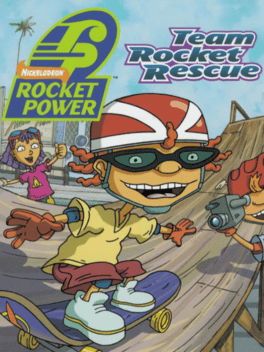
Based on the successful Nickelodeon cartoon series, Rocket Power: Team Rocket Rescue for PlayStation features Otto, Reggie, Sam, and Twister displaying their Xtreme sports talents for players as they try to save Ray Rocket's business from the competition. Since Ray Rocket's new line of boards is not gaining exposure, the team decides to advertise by entering local competitions under his name. Players control any of the four characters to snowboard, skateboard, bike, and inline skate through 16 levels of single-player story mode, free play, or Titos Challenge. Performing tricks and completing tasks as Team Rocket tries to help Raymondo will progress players through the game. In Story Mode, the chosen character must complete tasks such as finding bike parts, collecting flags, and navigating through gates in a downhill snowbaord challenge. Performing tricks to earn high scores is another included task. Each level is timed and the tasks must be completed before the time runs out in order to win and progress to the nexSimple 1500 Series Hello Kitty Vol. 02: Hello Kitty Illust Puzzle
2001
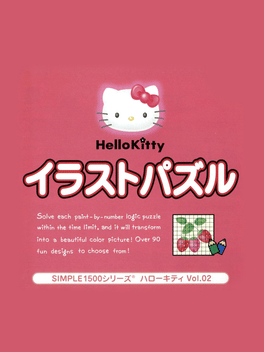
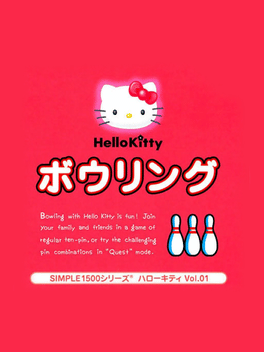
Hello Kitty Illust Puzzle is a Hello Kitty themed Picross game.Simple 1500 Series Hello Kitty Vol. 01: Hello Kitty Bowling
2001
Simple 1500 Series Hello Kitty Vol. 01: Hello Kitty Bowling is a Hello Kitty themed bowling game for the PlayStation.Digimon Digital Card Battle
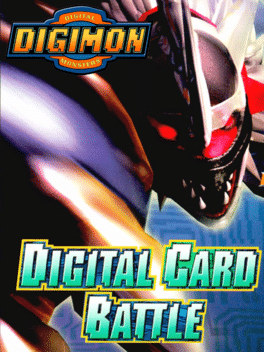
2001
star 7.2Can you imagine Digimon and humans living together and participating in Digital Card Battles? It sounds impossible, but you'd better believe it! Full of intense strategy and hardcore tactical maneuvering, DIGIMON DIGITAL CARD BATTLE is a genuine test of your skills and smarts. Each victory will increase your strength level, allowing you to move on to the next stage of play. Three Partner Decks will be at your disposal throughout play: Veemon will help you with offense; Armodillomon will provide surprise attacks; and Hawkmon will lend itself to quick digi-volving. The 40 new characters will provide plenty for series addicts to sink their teeth into, while 30 varieties of power-up cards will help gamers take down their competition. If all of this sounds like a foreign language to you, you're due to dive into the magical world of trainers and their monsters, known as DIGIMON. Play alone or challenge a friend!Youkai Hana Asobi
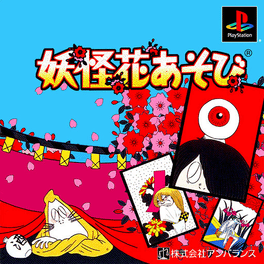
2001
Ouma ga Toki
2001
Ouma ga Toki
2001
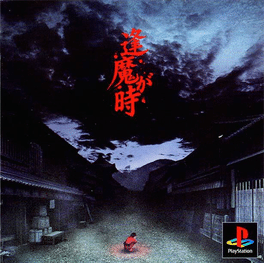
Oumagatoki is an horror first person perspective adventure game that takes place during the summer of 2001 when Tatsuhiro Oka Yuutarou, a young man is chasing a woman (called Kyoko), who was running in Tokyo in the evening. When he catch her a sudden flash of light appears, and they are transported into the Edo Period. He lost his memory, and the player starts to go around the village and during the game he will recover his lost memories. The player will have to solve the mystery. The game is divided into 3 chapters and when the player complete them a fourth one can be played. A save at the end of this game can be used at the start of the sequel Oumagatoki 2.One Piece: Tobidase Kaizoku-dan!
2001
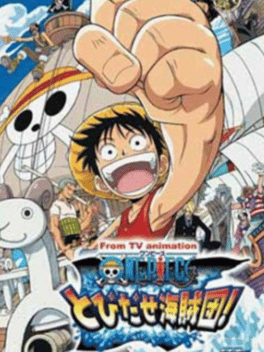
From TV Animation One Piece: Tobidase Kaizoku-dan! is a Japan-exclusive role-playing game created by Bandai for the PlayStation. It is the fourth game to be based on the One Piece manga and anime. This game's introduction uses the theme song Believe from the One Piece Anime.